
In my years of working as a corporate event planner, I’ve learned one simple truth: a corporate event is not just about bringing people together in one place.
It is about shaping how employees, clients, and partners see your company.
Many businesses think of corporate events as formal gatherings with speeches and dinner. In reality, a well-planned corporate event becomes a powerful business tool.
It can motivate teams, strengthen relationships, and communicate a company’s vision far better than emails or presentations ever could.
What is a Corporate Event?
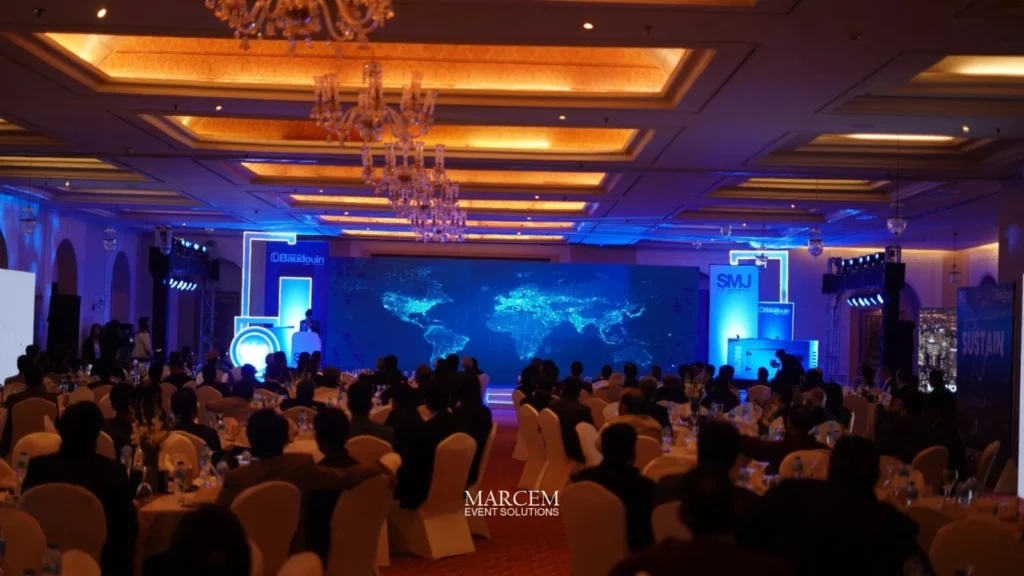
A corporate event is a professionally organized business gathering created to support specific company objectives, including employee engagement, brand visibility, networking, training, and business development. Corporate events range from conferences and product launches to annual meetings and award ceremonies. When executed effectively, a corporate event strengthens relationships, reinforces company values, and serves as a strategic tool for communication and growth.
What is Corporate Event Management?

Corporate event management is the process of planning, organizing, and executing a corporate event from start to finish. It is not just about booking a venue and arranging food. It is about managing people, time, risks, and expectations.
In practical terms, corporate event management includes:
- Developing the event concept and theme
- Selecting and preparing the venue
- Managing guest lists and registrations
- Coordinating catering and hospitality
- Handling audio-visual and technical setup
- Designing branding and stage layout
- Managing staff, hosts, and security
- Supervising the event on the day
From a planner’s perspective, the real work happens behind the scenes. Guests should never feel the pressure or the problems.
A professionally managed corporate event looks effortless, but it requires detailing, backup plans, and constant supervision.
Purpose of a Corporate Event?

Corporate events are imperative for maintaining and building relationships with clients, customers, employees, and potential partners.
According to a 2023 study, about 62% of companies and CEOs experienced a 25% surge in new business and clients through corporate event executions.
Branding and Visibility
Events that take place within the company increase the visibility of the brand and improve the reputation of the company.
Successful events can give you a lasting impact and get your customers and clients loyal to your brand.
Networking Opportunities
Business leaders, clients, and potential partners interact within the space created by events. Business growth and new collaborations or sales opportunities come through networking.
Employee Engagement and Motivation
In order to improve employee morale, they organize team-building activities, annual celebrations, or incentive events.
This helps create a good work culture, enhances collaboration, and ensures employees feel they belong.
Lead Generation and Business Development
Valuable sales leads come from conferences, exhibitions, product launches, and so on. These are events that help you show what you can offer and gain potential clients.
Strengthening Client Relationships
Hosting events and annual galas or exclusive product unveilings for your clients helps to strengthen business relationships and thank them for being loyal to your business.
Types of Corporate Events

1. Conferences and Seminars
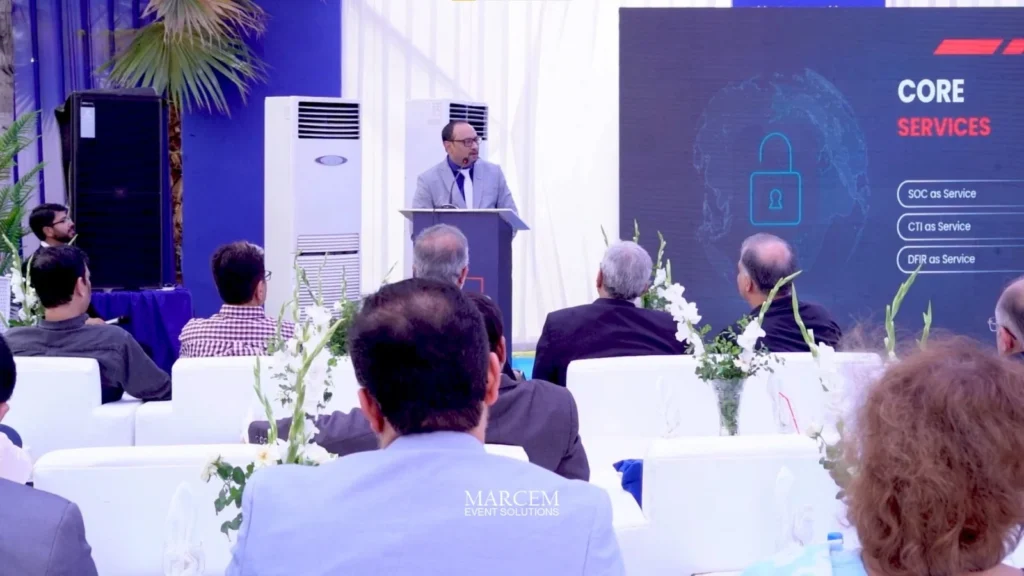
These events focus on education and industry knowledge. They usually include speakers, presentations, and discussion sessions.
2. Product Launch Events
Product launches are designed to create excitement and awareness. These events combine branding, media presence, and audience engagement.
3. Annual Dinners and Award Ceremonies
These events recognize achievements and reward employees. They play an important role in building company culture and morale.
4. Team Building and Corporate Sports Events
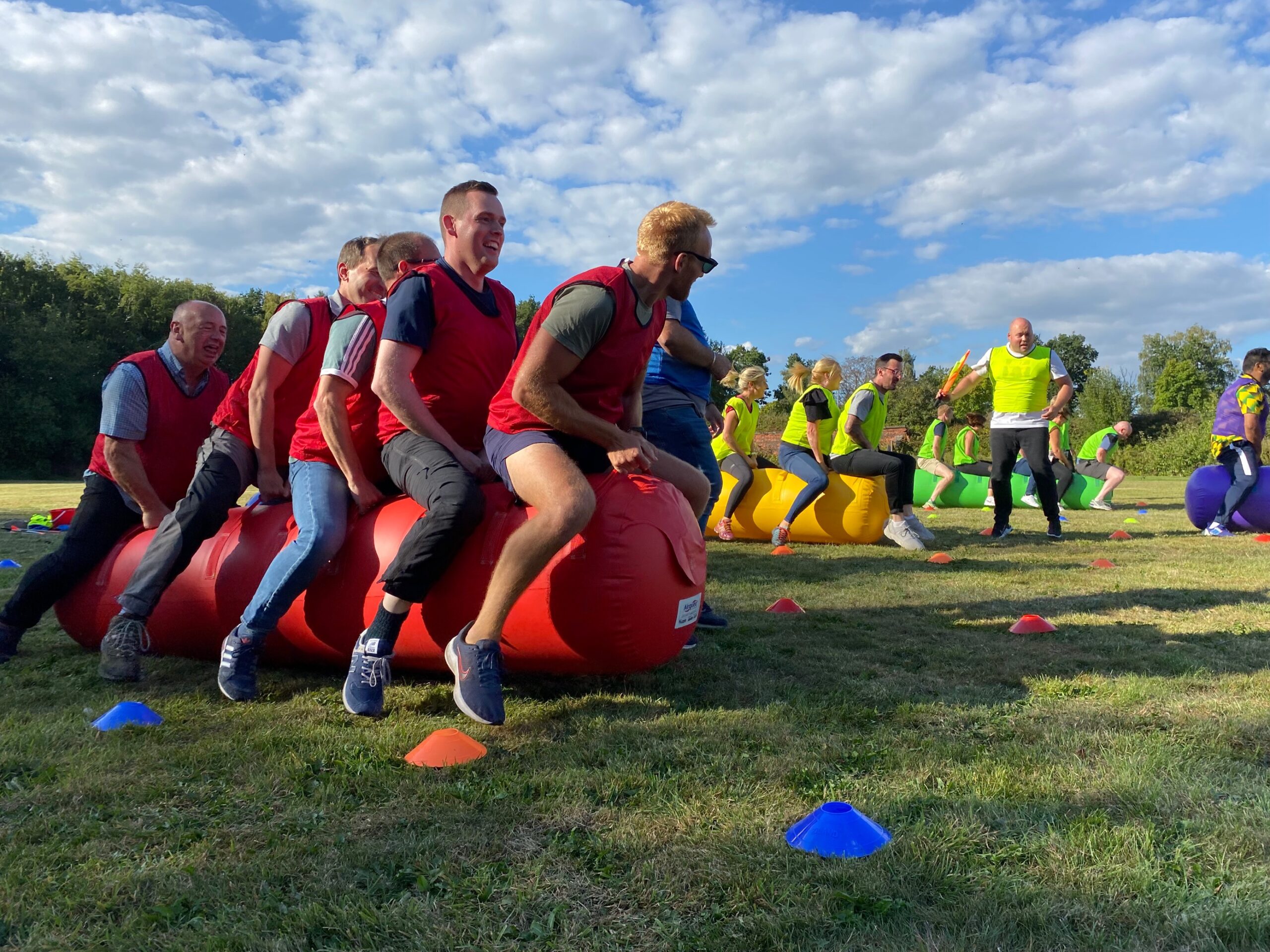
Such events improve collaboration and communication among employees while encouraging a healthy work environment.
5. Trade Shows and Exhibitions
These allow companies to showcase their products and services to potential customers and partners.
6. Business Networking Events
Networking events help professionals connect, exchange ideas, and explore business opportunities.
Corporate Event Types and Their Purposes
| Event Type | Example Activities |
| Team-Building Day | Escape rooms, trust-building exercises, and competitive games |
| Product Launch | Product demos, interactive displays, influencer showcases |
| Conference | Keynote speakers, panel discussions, breakout sessions, interactive workshops |
| Trade Show/Exhibition | Booth displays, live product demonstrations, VR experiences |
| Corporate Party/Gala | Themed dinners, live music, dancing, and award ceremonies |
| Training/Workshop | Hands-on exercises, role-playing, case studies, skill-building sessions |
| Networking Event | Icebreaker games, speed networking, cocktail hours, and roundtable discussions |
| CSR Event | Community service activities, charity auctions, and sustainability workshops |
How to Organize a Corporate Event?

1. Define the Objective
Every corporate event must start with one question: What do we want to achieve?
Is it brand promotion, employee motivation, or client engagement? A clear objective shapes every decision that follows.
2. Plan the Budget
A realistic budget helps avoid last-minute stress. It should include venue, catering, technical setup, branding, staffing, and emergency costs.
3. Select the Right Date and Time
Choosing the right date is more important than people think. A poorly chosen date can reduce attendance, no matter how good the event is.
4. Choose the Venue
The venue must match the event’s purpose, guest count, and professional image.
5. Design the Guest Experience
From registration to seating, food service, and program flow, every moment should feel organized and welcoming.
6. Coordinate Vendors and Staff
Clear communication with caterers, decorators, technicians, and hosts is essential. Rehearsals and checklists make a huge difference.
7. Supervise on Event Day
On the event day, constant monitoring ensures that everything runs smoothly. Problems should be solved quietly without disturbing guests.
From experience, the difference between an average corporate event and a great one is not the budget. It is preparation.
How to Measure ROI and Success of a Corporate Event?

The success of a corporate event is measured by how well it achieves predefined business objectives. ROI evaluation begins by defining clear, measurable goals such as lead generation, attendance rate, employee engagement, or revenue impact.
Track total event costs, including venue, production, staffing, marketing, and technology. Measure performance using relevant KPIs like qualified leads, engagement levels, follow-up conversions, or feedback scores.
ROI is calculated using:
ROI (%) = (Event Value − Total Cost) ÷ Total Cost × 100
If outcomes cannot be measured against objectives, the event cannot be considered successful.
Plan Logistics in Advance
In logistical planning, we’re thinking about things like transportation, catering services, and beverages, audiovisual equipment, signage, etc. Having a good logistics strategy means that there aren’t any last-minute hiccups.
Build a Marketing Strategy
Planning a good marketing plan is necessary for a successful corporate event. It’s about writing up promotional materials, sending out invitations, using social media, and suggesting word-of-mouth marketing.
The Role of a Corporate Events Manager
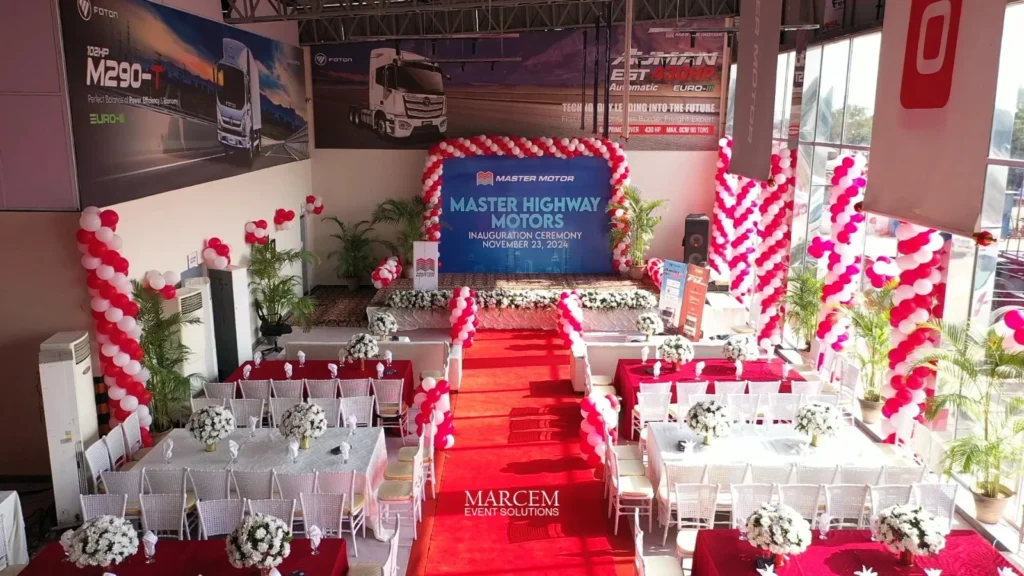
Corporate event coordinators are important to manage the planning and running of events. From the initial phase of brainstorming to post-event evaluations, they are responsible for everything. Their duties often include:
- The event timeline management and handling vendors
- Making sure that the event meets your business goals
- Managing the complete on-site event management
- And keeping everyone in the team, clients, and attendees communicating
Risk Identification and Contingency Measures
Corporate events carry risks, and it is important to plan for what might go wrong. A good event manager will see the risks before they happen and come up with strategies to minimize the effects before it does. Here are some common risks:
1. Technology Failures
Many corporate events involve technology presentations, live streaming, etc. A major setback indeed is a technical glitch. Having a backup plan for audiovisual equipment, Internet or Wi-Fi, and other key tech tools is as important as a printed schedule.
2. Financial Risks
For those event planners, a budget overrun is always a common concern. You need to keep to the budget and note every expense. Funds should be set aside for contingency – unexpected costs.
3. Reputational Risks
Interactions with the media and key stakeholders are, in fact, very typical events. Mismanagement of the event or some mistakes could severely damage your company’s reputation. However, these risks can be mitigated with careful planning and attention to detail.
4. Security Threats
There is a chance of unwanted attention or security concerns with general event services. Security teams work hand in hand with corporate event planners to protect the company and its assets and ensure its attendees are safe.
5. Health and Safety Concerns
Events have to obey health and safety regulations. First, organizers should make sure crowd control is adequate, there is first aid available, and emergency evacuation plans are in place in order to keep everyone safe.
6. Weather-related Issues
Unpredictable weather can take its toll on outdoor events. Rain, intense heat or even cold should be contingency plans for event planners, including alternatives with indoor space or covered area.
Conclusion
Corporate event management is more than just organizing a gathering. It’s about aligning the event with your business’s goals, creating a meaningful experience for participants, and making sure smooth execution.
Always understand the types of events you can host, measure success, address potential risks, and organize events that make a positive impact on your company’s growth and reputation.
Hire the Best Corporate Event Management Company In Pakistan

Want to host a successful corporate event in Pakistan. Partner with MARCEM Events, we are the pioneers in corporate and business event management services all over Pakistan.
Browse through our gallery and review some of our best work in the corporate industry.
We have worked with many well own brands such as GFS, Engro, DHA City, The Aga Khan, S.M Jaffer, Hilton Pharma, HighQ, and many more. For an instant consultation, contact: 0300-8280182 or Email at: [email protected]