

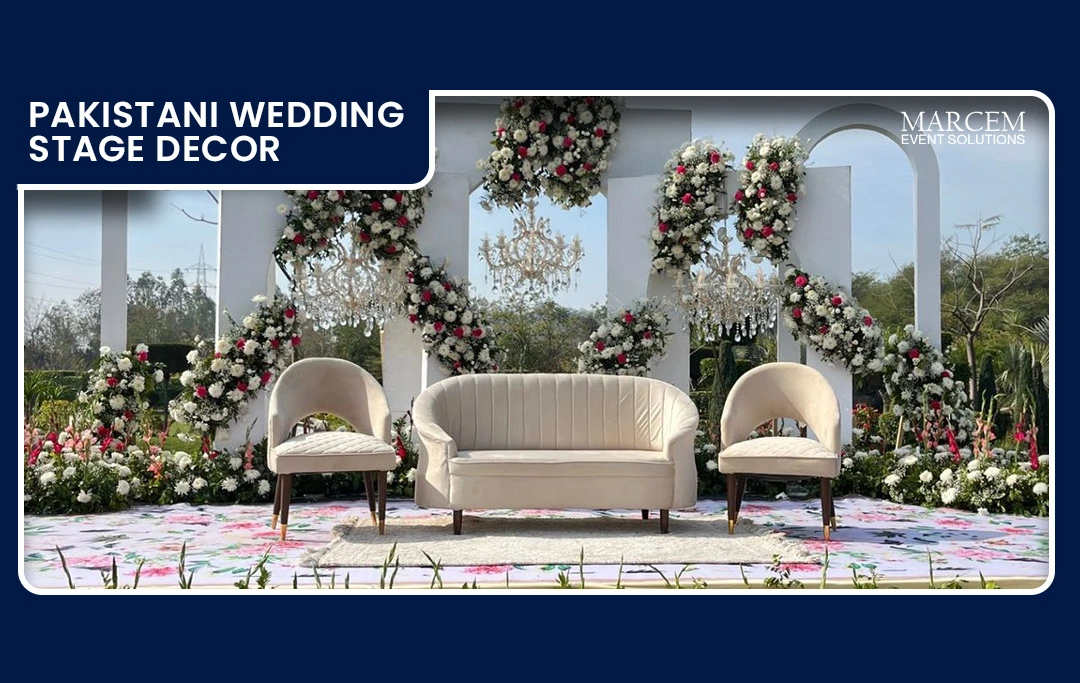
Pakistani weddings are known for their grandeur, emotions, and deep cultural roots. At the heart of every memorable wedding lies one visual element that defines the entire celebration: the wedding stage décor. Whether it’s a mehndi, barat, or walima, the stage is where all eyes naturally go. It’s where the couple sits, photos are taken, and lifelong memories are captured.
Yet, despite its importance, many families face confusion, stress, and regret when planning wedding décor. From budget overruns to mismatched themes, the challenges are real.
In this comprehensive guide, we’ll explore Pakistani wedding stage décor trends, common pain points, and practical solutions, written from real industry experience to help you make confident, informed decisions.
Why Wedding Stage Décor Matters So Much in Pakistani Weddings
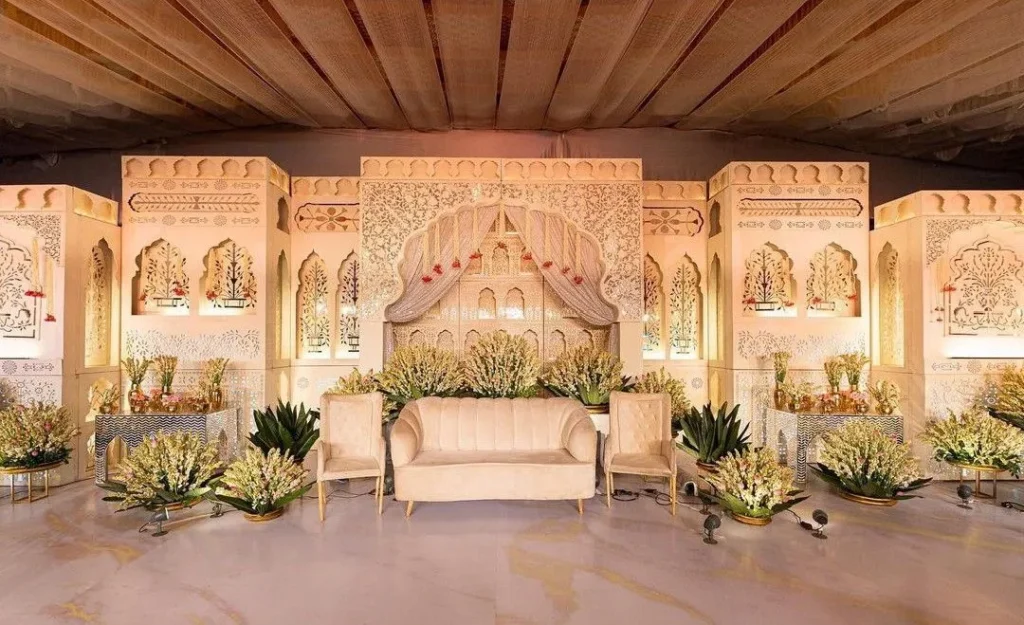
In Pakistani culture, weddings are not just events; they are once-in-a-lifetime milestones shared with extended family and friends. The stage symbolizes:
- The honor of the families
- The aesthetic taste of the hosts
- The mood and theme of the wedding
- The quality of event planning
A poorly designed stage can make even the most expensive venue look average, while a well-planned stage can elevate a simple hall into a luxurious setting.
Pain Point: Many people realize after the wedding that the stage didn’t look how they imagined in photos.
Solution: Prioritize stage décor early in planning and align it with lighting, photography, and venue size.
Popular Pakistani Wedding Stage Décor Styles
1. Classic Floral Stage Décor
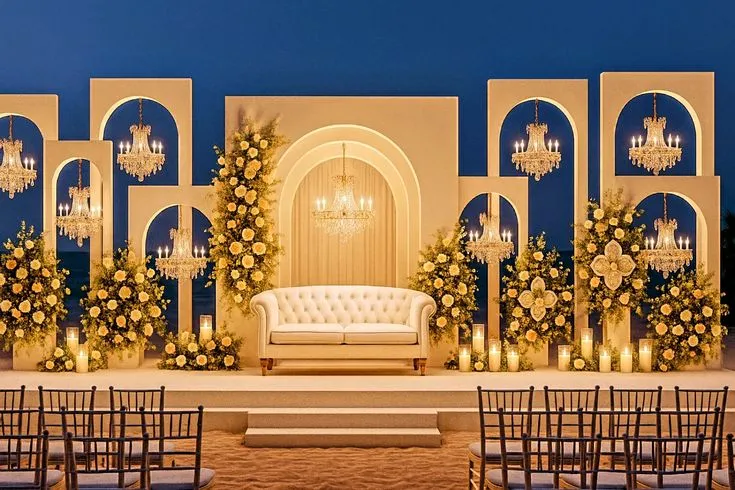
Fresh flowers remain a top choice for Pakistani weddings, especially for barat and walima events.
Common elements:
- Roses, tuberoses, orchids, baby’s breath
- Floral arches and layered backdrops
- Soft pastel or ivory palettes
Pain Point: Fresh flowers are expensive and weather-sensitive.
Solution: Use a mix of premium artificial florals with selective fresh flower highlights for fragrance and realism.
2. Mughal & Royal Theme Stages
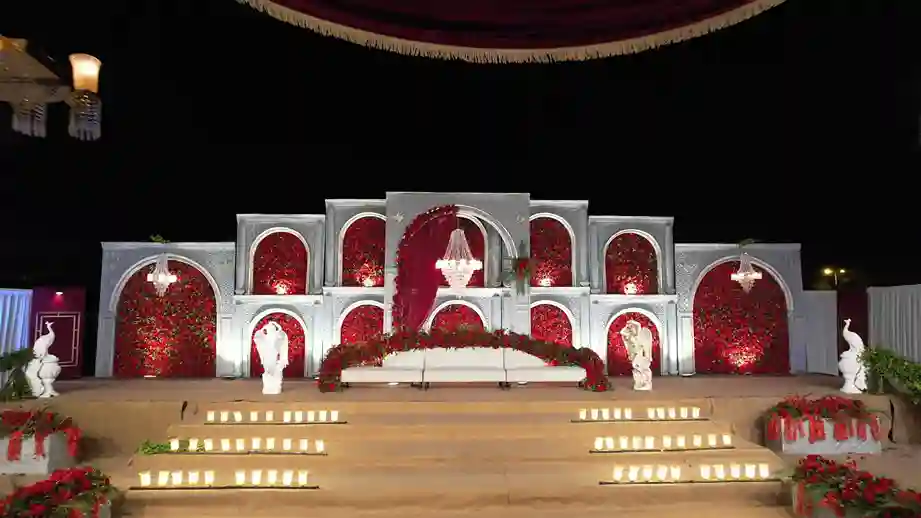
Inspired by heritage and royalty, this décor style is popular among families who want a regal look.
Key features:
- Gold accents
- Carved panels
- Deep reds, maroons, emerald greens
- Vintage sofas or thrones
Pain Point: Overdoing gold can make the stage look heavy and outdated.
Solution: Balance royal colors with modern lighting and clean backdrop symmetry.
3. Minimal & Modern Stage Décor
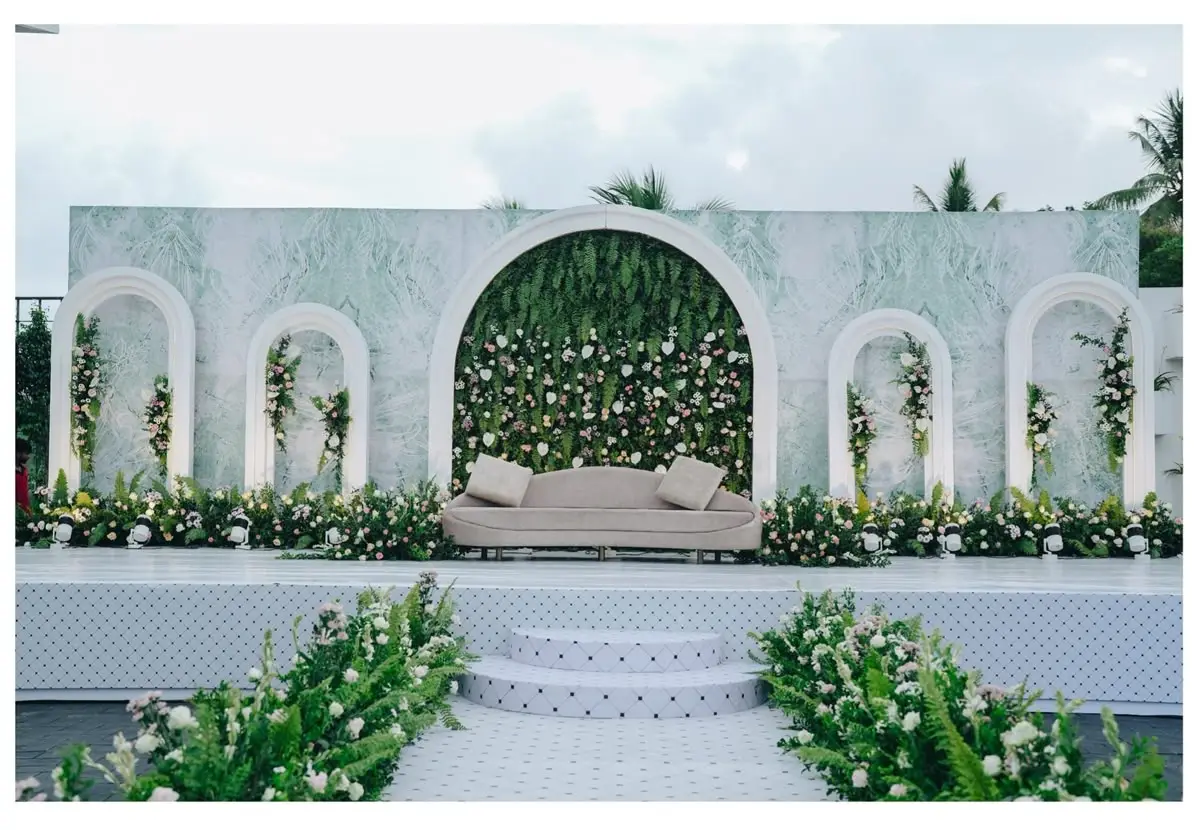
Modern Pakistani couples are increasingly choosing elegant, clutter-free designs.
Design traits:
- Neutral color palettes
- Geometric frames
- Soft LED lighting
- Clean seating designs
Pain Point: Minimal décor may look empty if not executed professionally.
Solution: Focus on depth, layers, and lighting to add richness without clutter.
4. Mehndi Stage Décor (Vibrant & Cultural)
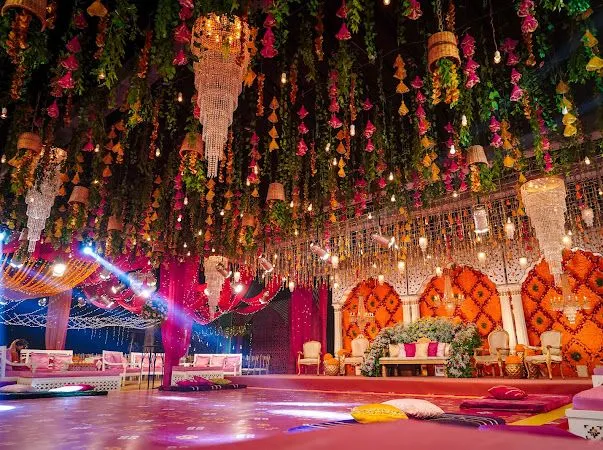
Mehndi Pakistani wedding stage décor is all about energy, color, and tradition.
Popular elements:
- Marigolds
- Truck art patterns
- Colorful drapes
- Traditional charpais and cushions
Pain Point: Mehndi stages often look messy instead of festive.
Solution: Stick to one core color palette and repeat patterns for visual harmony.
Major Pain Points Families Face With Wedding Stage Décor
1. “It Didn’t Look Like the Pictures.”
One of the most common complaints.
Why does it happen:
- Poor-quality references
- Lack of detailed mockups
- No discussion about venue limitations
Solution: Always ask for real event images, not Pinterest photos only, and review the stage scale according to your venue.
2. Budget Confusion & Hidden Costs
Many clients feel décor costs spiral unexpectedly.
Hidden factors include:
- Venue size
- Ceiling height
- Lighting requirements
- Transport and installation
Solution: Request a transparent, itemized quotation and clarify what is included vs optional upgrades.
3. Stage Looks Good in Person but Bad in Photos
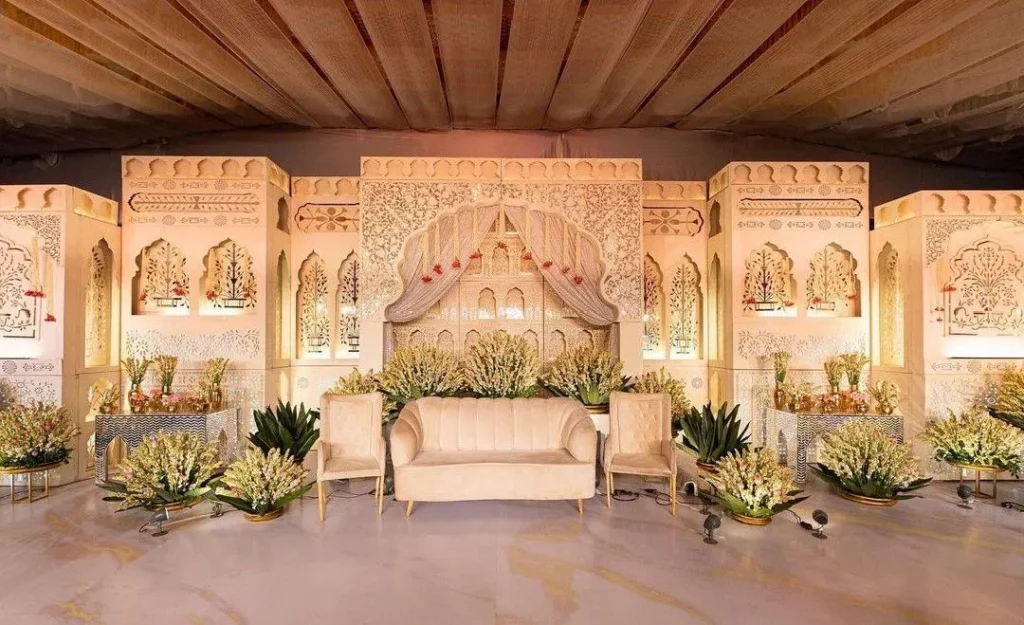
Photography plays a huge role in décor satisfaction.
Common issues:
- Harsh lighting
- Flat backdrops
- Poor contrast
Solution: Design stage décor with photography angles, camera distance, and lighting temperature in mind.
Choosing the Right Colors for Pakistani Wedding Stages
Color selection should depend on:
- Event type (Mehndi, Barat, Walima)
- Bride and groom outfits
- Venue wall and flooring colors
Popular Color Combinations
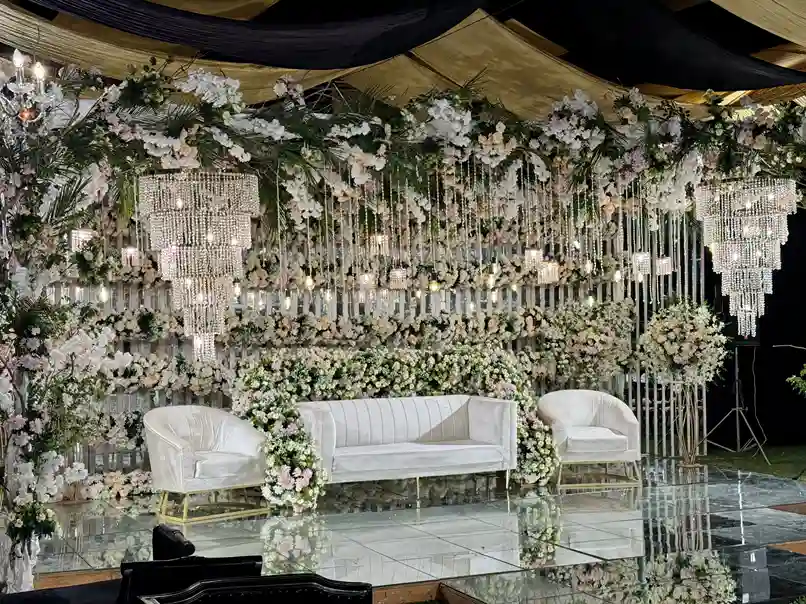
- Barat: Red & gold, maroon & champagne
- Walima: Ivory & silver, white & blush
- Mehndi: Yellow & green, multicolor with contrast
Expert Tip: Avoid matching the stage exactly with the bridal outfit — contrast creates better photos.
Stage Seating
The seating defines comfort, posture, and visual balance.
Common seating options:
- Traditional sofas
- Modern loveseat chairs
- Royal thrones
Pain Point: Uncomfortable seating ruins posture and expressions.
Solution: Choose ergonomically comfortable seating with adequate back support and correct seat height.
Lighting: The Unsung Hero of Wedding Stage Décor
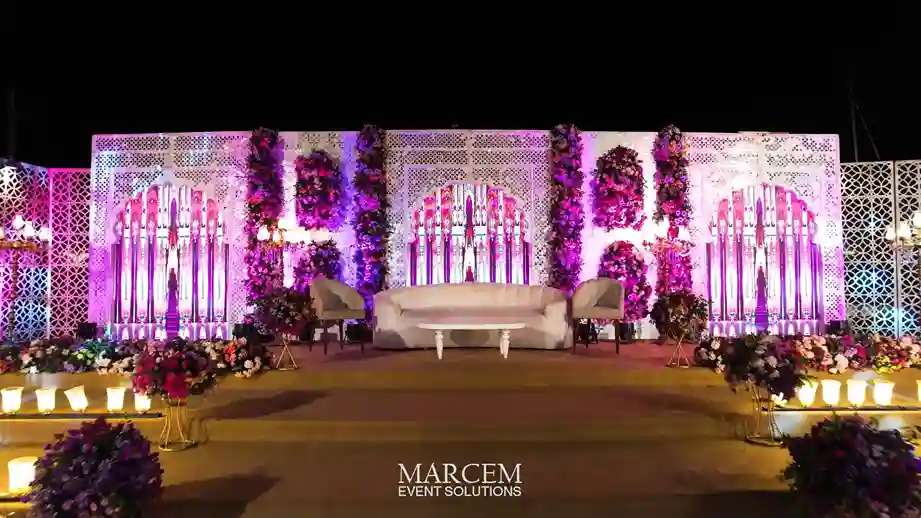
Even the best décor fails without proper lighting.
Types of lighting used:
- Warm LEDs for elegance
- Spotlights for focus
- Fairy lights for depth
Solution: Use layered lighting, ambient + focused instead of relying on hall lights only.
How to Personalize Your Wedding Stage Décor
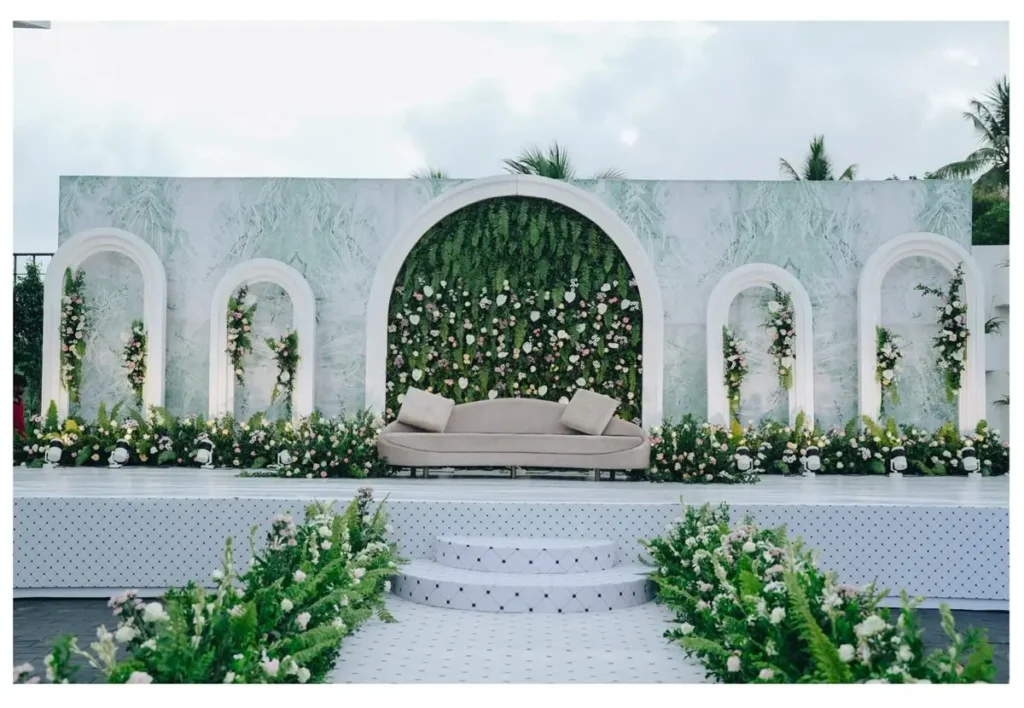
Personal touches make a wedding memorable.
Ideas include:
- Custom monograms
- Name initials in calligraphy
- Subtle cultural symbols
- Personalized backdrop patterns
Pain Point: Over-personalization can look gimmicky.
Solution: Keep personalization subtle and aligned with the overall theme.
Expert Advice
Experienced wedding decorators:
- Design according to venue proportions
- Balance décor with guest seating layout
- Coordinate with photographers
- Plan installation timelines
This professional coordination is often what separates average décor from exceptional décor.
Final Thoughts
Pakistani wedding stage decor is not about copying trends; it’s about telling your story beautifully. Understanding your priorities, budget, and venue limitations can save stress and disappointment.
A well-designed stage:
- Enhances your wedding photos
- Reflects your family’s values
- Creates a lasting emotional impact
When planned thoughtfully, your wedding stage becomes more than décor; it becomes a memory you’ll cherish forever.
Written with insights from real wedding planning experience in Pakistan, focusing on quality, creativity, and client satisfaction.