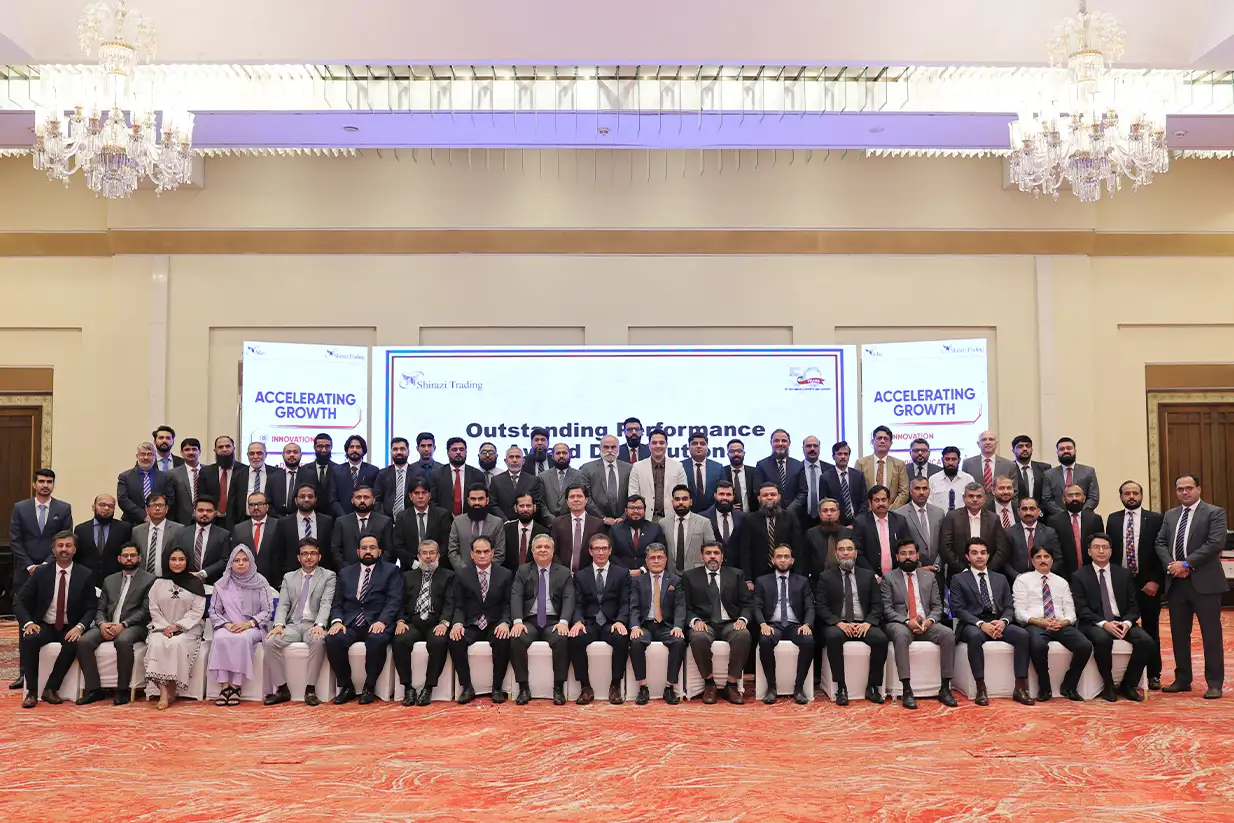
We’ve planned annual sales conferences for companies across banking, FMCG, and pharma over the past ten years, and the pattern is always the same: the conferences that actually move the needle are planned like a business initiative, not booked like a party. The ones that fall flat almost always skipped the same early step—nobody defined what the conference was supposed to achieve before someone started calling hotels.
This annual sales conference planning guide is built around what actually works in Pakistan’s corporate events market—realistic budgets, agenda structures that hold attention, and the planning sequence that keeps a 200-person conference from turning into a scramble two weeks out.
Key Takeaways
- Start planning at least six months.
- Define the conference objective before booking a venue.
- Expect venue and catering to consume roughly half the total budget.
- Build the agenda around attendee energy, not just presentations.
- Assign one person ownership of the event schedule.
What Is an Annual Sales Conference, Really?
Annual sales conference planning brings sales teams, regional managers, and leadership together once a year to review performance, set direction for the next cycle, and, just as importantly, remind people why they’re on the team in the first place.
Annual Sales Conference Planning brings sales teams, managers, and leadership together to review achievements, discuss future targets, and align everyone with the company’s upcoming goals. Unlike a regular sales meeting, an annual sales conference combines strategy discussions, training sessions, recognition programs, and team engagement activities.
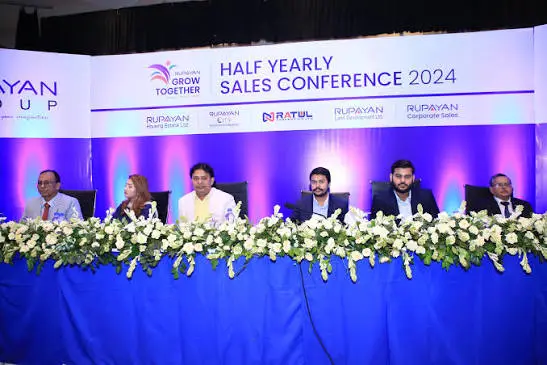
These conferences help organizations strengthen sales performance, improve communication between regional teams, and create a shared vision for future growth. When planned effectively, they become more than a yearly gathering—they become a strategic business event that motivates employees and supports long-term objectives.
Why Annual Sales Conference Planning Actually Matters
Most companies already know that a conference should motivate the sales team. Fewer treat the planning with the discipline that the outcome requires, and it shows in the results.
Industry research backs this up: a 2026 planner sourcing survey found cost control has become the single most common priority shaping how B2B teams design their events this year, ahead of almost every other consideration. That tracks with what we see on the ground in Pakistan: leadership wants the impact of a premium conference without the overrun, and that’s only possible with planning that starts early, not with cutting corners later.
Get the planning right, and a conference does real work: it aligns regional teams around one set of targets, gives leadership a room to explain the “why” behind next year’s numbers, and turns recognition into something people actually compete for. Get it wrong, and you’ve spent a significant budget on a long day nobody remembers past the free lunch.
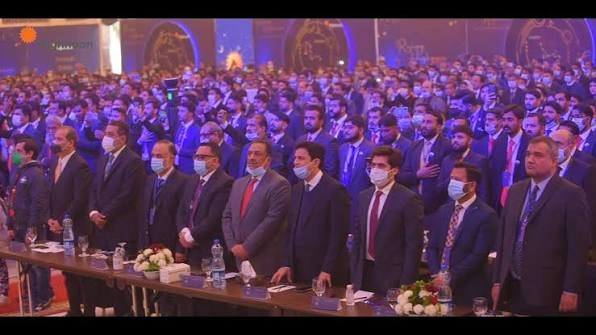
We’ve sat in enough post-event debriefs to know the difference is rarely the venue or the catering; it’s whether the agenda had a clear spine. A conference built around one central purpose, with everything else supporting it, reads as intentional. One stitched together from whatever the calendar allowed reads as exactly that, and sales teams notice.
The Planning Process We Actually Follow
1. Define the objective before anything else.
Is this primarily a performance review, a strategy rollout, a training push, or a recognition event? Most conferences try to be all four and end up doing none of them well. Pick a primary purpose and let everything else support it.
2. Set the budget and lock the date early.
Corporate venues in Karachi and Lahore book out fast in Q4, which is when most annual conferences land. If your date isn’t confirmed by month six, you’re choosing from whatever’s left.
3. Choose a venue that matches the format, not just the guest count.
A 150-person conference with heavy breakout sessions needs more meeting rooms than a straightforward one-day plenary, for the same headcount capacity alone doesn’t tell you if a venue works.
4. Build the agenda around energy, not just content.
For the froplenary, the business review, while it’s, it, put training after a break, and never schedule the recognition segment right after lunch when energy dips hardest.
5. Plan the production separately from the agenda.
Stage, AV, and branding decisions need their own timeline test runs, not last-minute setup, to stop a projector failure from becoming the story of the day.
6. Handle logistics as their own workstream.
Registration, transport, and accommodation for our attendees are usually where a well-planned conference actually breaks down, not the big decisions, but the small ones.
7. Run it with one person owning the schedule.
Someone needs final say on whether a session runs long. Without that, a 9 AM start reliably turns into a 6 PM finish nobody planned for.
Formats and Conference Ideas Worth Considering
Beyond the standard plenary-and-breakouts format, a few structures consistently work well for Pakistani corporate audiences:
- Theme-led conferences: a clear identity (“Beyond Target,” “One Team”) carried through stage design and session naming, which gives the event a stronger memory hook than a generic agenda.
- Recognition-first design: building the schedule around the awards segment rather than treating it as a closing add-on, especially for sales-heavy organizations where recognition is the real draw.
- Guest expert sessions: a credible outside voice on market trends or negotiation skills tends to land better than an internal speaker covering the same ground.
- Structured networking blocks, not “free time,” but a planned activity (regional team challenges, structured roundtables) that gets people talking across departments instead of retreating to their usual group.
Choosing a Format by Company Size
| Company Size | Recommended Format | Typical Duration |
| Under 75 attendees | Single-track plenary + recognition segment | 1 day |
| 75–150 attendees | Plenary + 2 breakout tracks | 1–2 days |
| 150–300 attendees | Multi-track with regional sessions | 2 days |
| 300+ attendees | Multi-track and separate manager pre-day | 2–3 days |
Annual Sales Conference Cost in Pakistan: Realistic Budget Breakdown
Budget conversations go smoother when they start with real numbers instead of a blank spreadsheet. These are indicative ranges we work with for Pakistani corporate conferences, scaled by attendee count.
| Attendees | Mid-Range Budget (PKR) | Premium Budget (PKR) |
| 50–75 | 1.5M – 2.8M | 2.8M – 5M |
| 100–150 | 2.8M – 5M | 5M – 9M |
| 200–300 | 5M – 8.5M | 8.5M – 15M+ |
Venues and caterers usually eat the largest share together, roughly 45–55% of the total. Production (stage, AV, lighting) typically runs 15–20%, and branding and décor another 10–15%, with the remainder split across speakers, entertainment, and photography.
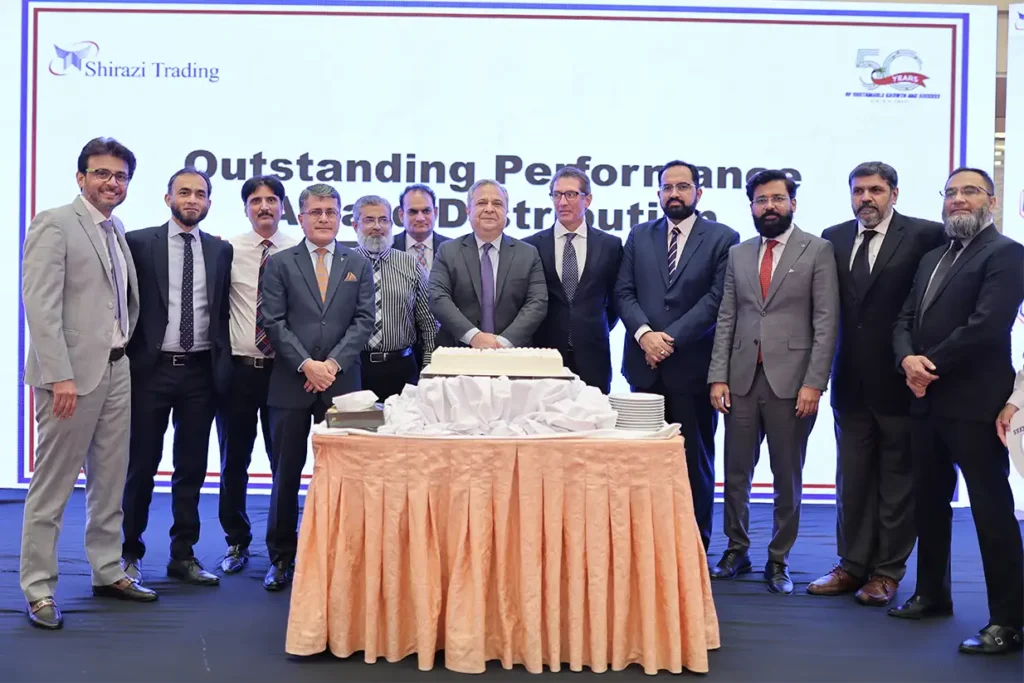
The single biggest cost swing we see isn’t the venue; it’s decisions made late. A confirmed guest list six weeks out versus two weeks out can shift catering and room-block costs by 15–20% on its own, simply because vendors price certainty lower than last-minute demand.
Annual Sales Conference Planning in Karachi
Karachi is Pakistan’s largest business hub and a preferred location for companies planning an annual sales conference in Karachi. The city offers a wide range of corporate venues, hotels, and experienced event vendors for sales meetings, leadership conferences, and large-scale corporate gatherings.
With strong connectivity and a competitive vendor market, Karachi provides flexibility for different conference formats and budgets. However, peak corporate event months require early planning to secure preferred venues and production teams.
Annual Sales Conference Planning in Lahore
Lahore is a popular destination for companies whome looking for professional conference facilities combined with a more engaging event environment. Annual sales conference planning in Lahore often includes business sessions, networking activities, and team engagement experiences.
The city offers versatile corporate venues, hotels, and event spaces suitable for mid-size conferences. Companies should consider seasonal factors, especially for outdoor setups, and maintain backup arrangements for smooth execution.
Annual Sales Conference Planning in Islamabad
Islamabad is well-suited for executive-focused conferences, leadership meetings, and strategic corporate gatherings. Companies planning an annual sales conference in Islamabad often choose the city for its professional atmosphere, premium hospitality options, and quieter environment.
The capital works especially well for management summits, sales strategy sessions, and smaller high-value events where privacy, networking, and attendee experience are priorities.
Mistakes We See Companies Make Repeatedly
- Locking the venue before the objective. The venue should follow the agenda’s requirement, not the other way around.
- Overloading the schedule. More sessions don’t mean more value; it usually means an exhausted room by 3 PM.
- Confirming production too late. Stage and AV vendors need real lead time; rushed bookings are where budgets quietly balloon.
- Treating logistics as an afterthought. Transport and accommodation for out-of-city teams need their own line item and owner, not a note at the bottom of the plan.
- Skipping the rehearsal. A 15-minute technical walkthrough the day before catches problems that would otherwise surface live, in front of the whole company.
- Not briefing speakers on timing. A leadership speech that runs twenty minutes over pushes every session after it, and by mid-afternoon, the schedule bears no resemblance to what was printed on the agenda card.
Why Companies Bring in an Event Planner
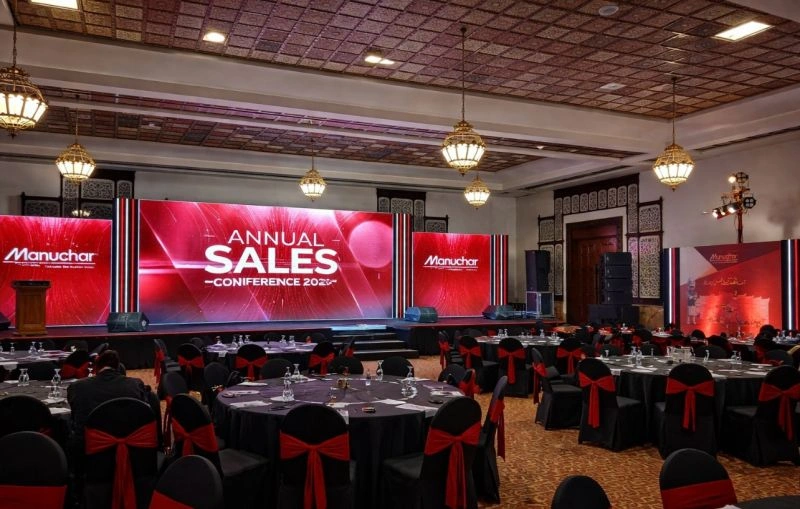
A conference for 150–300 people across multiple cities is, functionally, a small project with a hard deadline and no room for a missed dependency. That’s usually the point at which companies decide it’s not worth running internally alongside everyone’s regular job.
Internal Planning vs. Hiring an Event Planner
| Factor | Internal Team | Event Partner |
| Vendor pricing | Standard rates, limited negotiating leverage | Established relationships, better rates, especially in peak season |
| Time investment | Pulled from a regular job for weeks | Dedicated resource, no disruption to core work |
| Production capability | Usually outsourced piecemeal, harder to control quality | In-house or tightly managed AV, stage, and décor teams |
| Risk of overruns | Higher last-minute decisions get priced at a premium. | Lower timelines and vendor lead times are built in from the start. |
| On-day execution | Split across whoever’s available | One point of contact owning the full schedule |
| Best fit | Small internal gatherings under ~75 attendees | Conferences with above ~100 attendees or spanning multiple cities |
Over the past decade, we’ve built out this exact playbook for corporate clients’ vendor relationships that hold on to pricing even in peak season, in-house production instead of subcontracted guesswork, and a single point of contact who owns the schedule on the day. If your team is scoping next year’s conference, our corporate event management services page covers how we structure these engagements, and our Karachi corporate events work specifically has more detail on venue and vendor options in that market.
What that experience actually buys a client is fewer surprises, knowing which Karachi venues hold their rates through Q4 negotiations, which AV vendors show up with a backup projector without being asked, and how much lead time a 250-person guest list realistically needs before catering costs start climbing. None of that shows up in a proposal document; it shows up on the day.
Wrapping Up
An annual sales conference earns its budget when the planning starts with a clear objective and holds that discipline through the agenda, the production, and the logistics, not when it’s the most expensive event on the calendar. Companies that plan this way consistently get a room that leaves employees aligned and motivated instead of just tired.
Plan Your Sales Conference with Marcem
A successful sales conference starts with the right strategy and flawless execution. From venue selection and engaging agendas to branding, logistics, and on-site coordination, Marcem helps businesses create sales conferences that keep teams aligned and motivated.
Planning your next sales conference? Let Marcem handle the details.
Frequently Asked Questions
What is an annual sales conference?
A yearly corporate event bringing sales teams and leadership together to review performance, align on strategy, deliver training, and recognize top performers, distinct from a routine sales meeting in scope and production.
How far in advance should we start planning?
Six months is a realistic minimum for a 100+ person conference, mainly to secure venue dates during the Q4 peak season and give production vendors proper lead time.
How much does an annual sales conference cost in Pakistan?
For 100–150 attendees, mid-range budgets typically run PKR 2.8–5 million, with premium productions reaching PKR 9 million or more depending on venue, production scale, and entertainment.
What’s the ideal length for a sales conference?
Most conferences with under 150 attendees work well as a single day; larger conferences with multiple breakout tracks or a separate manager pre-day often extend to two or three days.
What should the agenda include?
A strong agenda balances a business performance review, strategy or product sessions, training workshops, a recognition segment, and structured time for cross-team networking.
What’s the biggest mistake companies make?
Locking in a venue before defining the conference’s actual objective forces the agenda to fit the space instead of the other way around.
Should the conference be held in Karachi, Lahore, or Islamabad?
It depends on your team’s geography and the conference’s tone. Karachi offers the widest venue choice, Lahore suits mid-size and outdoor-adjacent formats, and Islamabad works well for smaller, executive-focused events.
Is it worth hiring an event planner for this?
For any conference, roughly 100 attendees or spanning multiple cities, a planner’s vendor relationships and production capabilities generally save more in avoided overruns than the planning fee costs.