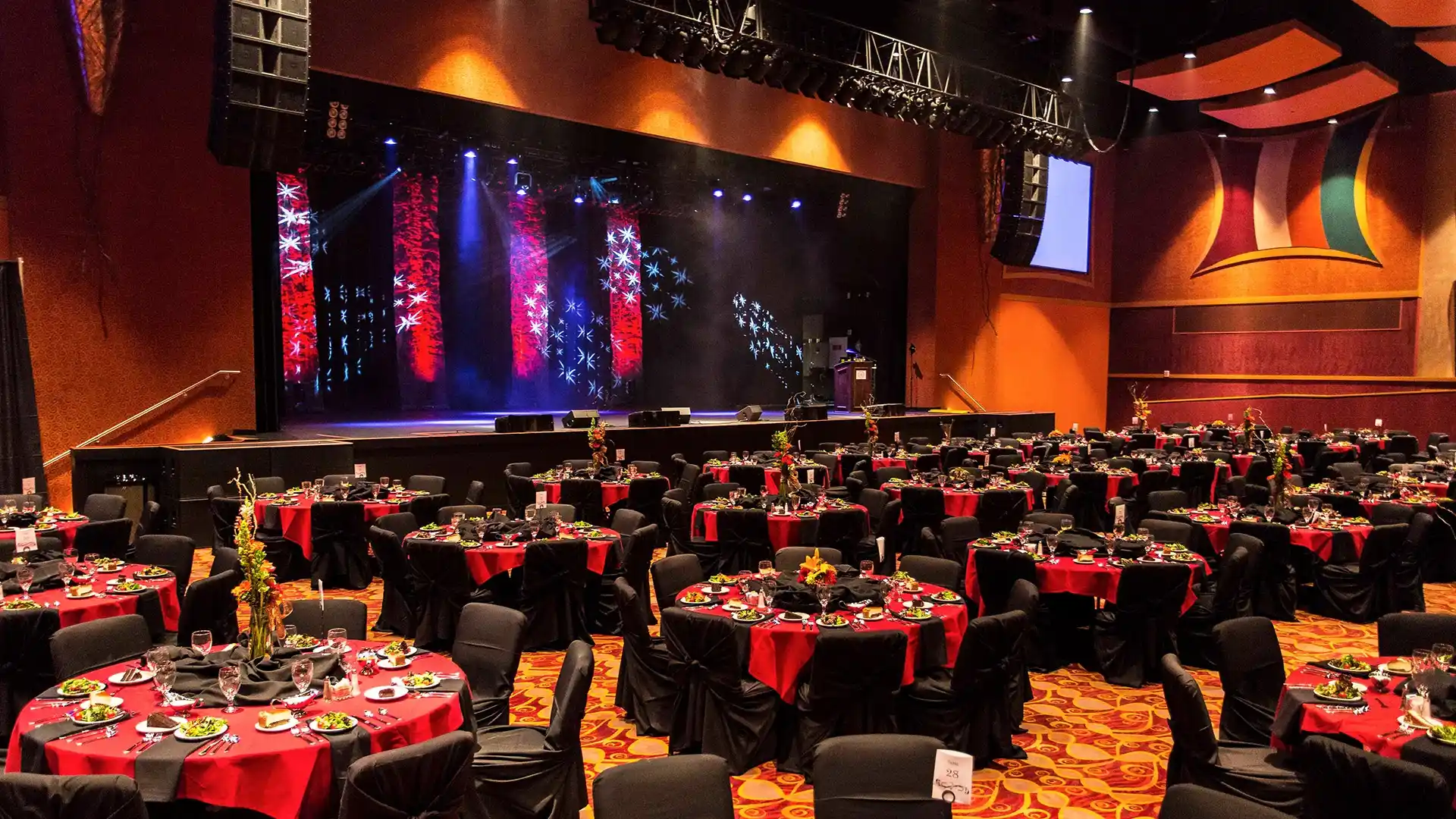
Organizing a successful corporate event is more than just finding a venue and sending out invitations. Whether you are planning a conference, seminar, product launch, networking event, exhibition or annual dinner, a Corporate Events Planning Checklist in Pakistan can help you stay organized, not miss any details and ensure that all aspects of the event go as planned.
A Corporate Event Planning Checklist provides a structured approach for businesses, guiding them from planning to the evaluation stage. Your team can have each task ready to go, coordinate vendors effectively and have everything done before event day, rather than reacting to the last minute problems.
This step-by-step guide teaches you how to budget, select a venue, coordinate with vendors, brand your event, prepare for audio-visual needs, manage attendees, execute the event and follow up after the event. This checklist will help businesses go through the planning process with confidence and organization.

Why Every Business Needs a Corporate Event Planning Checklist
Any successful corporate function starts with a clear plan. A checklist is useful for businesses to keep tasks organized, to assign responsibilities to different people, and to track the progress of the task from the initial planning stages to completion of the event. All critical work is recorded and accomplished in a timely manner, rather than being done by memory or at the last minute.
Having a checklist also helps with communication between your staff, vendors and event planners. No one is confused about what needs to be done, how and when, and who is responsible, which eliminates confusion during the planning process.
A well-planned process can help prevent missed tasks, keep your event organized, and help your team focus on providing a professional experience throughout the event, whether you are planning a small business seminar or a large corporate conference.
Define Your Event Objectives
You need to know what you’re looking to achieve before you book a venue and/or contact any vendors. Whether you’re planning a product launch, a conference, a seminar, a networking event, an exhibition or an annual dinner, every decision you make should be in keeping with your business goals. A clear goal makes planning focused and helps all stakeholders to achieve a common goal.
Use this checklist before moving to the next stage:
✓ Define the primary objective of the event.
✓ Identify your target audience and estimated guest count.
✓ Select a suitable event format and preferred date.
✓ Assign roles and responsibilities to your planning team.
✓ Create a planning timeline with key milestones and deadlines.
These steps put in place at the start of the planning process will help to set the tone for all future steps and reduce the risk of changes being made later in the event planning process.

Create a Realistic Event Budget
A well-planned budget is very useful for businesses in managing their expenses during the planning process. When planning a book for an event, make sure to roughly calculate the resources needed and budget for each category. A regular review of the budget also helps you to see what is not needed in the budget before it impacts the event.
Use this budget checklist to stay organized:
✓ Set a total event budget before confirming bookings.
✓ Allocate funds for the venue, catering, branding, and production.
✓ Keep a contingency budget for unexpected expenses.
✓ Track quotations, deposits, and payment deadlines.
✓ Review your budget before approving major changes.
A realistic budget is a key element of any Corporate Event Planning Checklist as it enables businesses to make well-informed decisions and ensures financial organization of the event from start to finish.
Select and Book Your Venue
The right venue is the basis of a great corporate event. It should be able to help
you achieve your event goals, fit your anticipated turnout, and offer the facilities required for presentations, networking or other scheduled event activities. It’s important to visit the venue before booking to get a sense of what might pose
a problem.
Complete this venue checklist before signing the agreement:
✓ Confirm the venue capacity matches your expected guest count.
✓ Check the location, accessibility, parking, and nearby accommodation.
✓ Verify the availability of power, internet, and technical facilities.
✓ Review the venue layout, emergency exits, and vendor access.
✓ Read the booking agreement, including cancellation and extra charges..
Selecting the venue early in the planning process allows for greater flexibility in dates, vendors, and event logistics, and also minimizes the chances of last-minute changes.

Hire the Right Event Vendors
One of the most important factors of any corporate event is the reliable vendor. By hiring experienced service providers early, you’ll have time to shop around, vet availability, and arrange all the details before your event. Clear communication and written agreements can also help to avoid misunderstandings later in the planning process.
Work through this vendor checklist before confirming your bookings:
✓ Shortlist vendors based on experience and business requirements.
✓ Compare quotations, services, and contract terms before deciding.
✓ Confirm booking dates, setup schedules, and arrival times.
✓ Share the event timeline and technical requirements with every vendor.
✓ Collect signed agreements and document payment schedules.
These tasks are part of your Corporate Event Planning Checklist to help you coordinate better with vendors, your planning team and the venue, ensuring the event runs smoothly and on schedule.
Organize Your Event Branding
Your event branding should be consistent with your company’s identity and be seen throughout all of your touch points with guests. A well-executed branding strategy can ensure a professional and cohesive look for the event, from invitations and registration materials to stage visuals and signage.
Before finalizing your branding, complete these key tasks:
✓ Finalize the event theme and visual identity.
✓ Design invitations, name badges, banners, and registration materials.
✓ Prepare stage backdrops, LED screen graphics, and directional signage.
✓ Review all printed and digital branding before production.
✓ Ensure all branding follows your company’s brand guidelines.
This is an important part of your Corporate Event Planning Checklist to complete before production starts to minimize last minute changes and make sure everything branded is ready well in advance of the event day.

Prepare the AV and Technical Setup
Reliable audio-visual equipment and technical support are key to a successful corporate event. Pre-testing all components prior to event day minimizes disruption during presentations, speeches, panel discussions or live demos. Preparing in advance with your venue and production team will also ensure that everything is in place before guests arrive.
Use this technical checklist before the event:
✓ Test microphones, speakers, projectors, LED screens, and lighting.
✓ Confirm internet connectivity and backup network requirements.
✓ Review presentation files for equipment compatibility.
✓ Schedule a full technical rehearsal with speakers and the production team.
✓ Keep backup equipment, power sources, and extension cables ready.
The technical setup before the event enables your team to anticipate problems and ensures that all presentations and activities run smoothly with good equipment.
Manage Guest Arrangements
Guest experience starts well before guests arrive at the venue. With clear communication, accurate registration, and thoughtful planning, guests can navigate the event smoothly, and your team can manage attendance more efficiently.
Complete these guest management tasks before event day:
✓ Confirm the final guest list and registration details.
✓ Prepare name badges, welcome materials, and registration desks.
✓ Arrange seating plans for VIPs, speakers, and attendees where required.
✓ Share event timings, venue, parking, and important guest instructions.
✓ Assign staff to manage guest registration, enquiries, and on-site assistance.
After this section of your Corporate Event Planning Checklist, you will have a well-organized arrival experience, better communication with attendees and will be able to focus on running your event to schedule.

Complete Your Event-Day Checklist
Event day is the big day when all the planning stages are brought together. The final review prior to guests will ensure that your team can be confident that your vendor, equipment, staff and venue are all ready. This final set of checks can help to minimize delays and ensure that everyone can concentrate on making the event well organized.
Before the event begins, make sure you have completed the following:
✓ Hold a final briefing with your event team and vendors.
✓ Confirm all equipment, lighting, sound, and presentations are working correctly.
✓ Ensure the registration area is fully prepared before guest arrival.
✓ Review the event timeline with speakers, hosts, and production staff.
✓ Keep emergency contacts, backup plans, and key documents accessible.
The last step of the planning process enables your team to be more responsive to the unexpected while maintaining the timeline of the event from the opening session to the closing remarks.
Review Your Event After It Ends
The good work doesn’t stop at the door! After the event, your team should review the event to assess the results, identify areas that need improvement, and collect insights for future events. The time it takes to assess the event also bolsters your planning process for the next corporate event.
Complete these post-event tasks before closing the project:
✓ Collect feedback from attendees, speakers, sponsors, and your internal team.
✓ Review the event budget and reconcile all outstanding payments.
✓ Gather event photos, videos, and presentation materials for future use.
✓ Hold a team debrief to discuss what worked well and what could be improved.
✓ Archive important documents, contracts, and event reports.
This last point in your Corporate Event Planning Checklist allows businesses to learn from each event, enhance future planning, and keep records that can be utilized when planning the next corporate event.

Corporate Event Planning Checklist in Karachi
A Corporate Event Planning Checklist in Karachi helps businesses organize conferences, seminars, product launches, exhibitions, networking events, and annual corporate gatherings more efficiently. Planning ahead makes it easier to secure venues, coordinate vendors, and manage event logistics.
Businesses should confirm venue availability, consider travel times, and plan vendor setup well before the event. It’s also important to review guest accessibility, parking, and technical requirements to avoid last-minute changes.
Using a structured checklist helps teams stay organized, assign responsibilities clearly, and ensure every important task is completed before event day.
Corporate Event Planning Checklist in Lahore
A Corporate Event Planning Checklist in Lahore helps businesses organize conferences, seminars, exhibitions, corporate meetings, and annual dinners more efficiently. Following a structured checklist keeps the planning process organized and ensures important tasks are completed on time.
Before finalizing your plans, confirm venue availability, coordinate with vendors, and prepare a realistic event schedule. It’s also important to consider guest access, parking, technical requirements, and setup timings.
Using a well-organized checklist helps teams track progress, improve coordination, and deliver a professional corporate event while ensuring no important planning task is overlooked.
Corporate Event Planning Checklist in Islamabad
A Corporate Event Planning Checklist in Islamabad helps businesses organize conferences, seminars, product launches, networking events, and annual dinners more efficiently. Following a structured checklist ensures important tasks are completed before event day.
Start by confirming your venue, booking vendors, and preparing a realistic event timeline. It’s also important to review technical requirements, guest arrangements, parking availability, and setup schedules.
Using a well-planned checklist keeps teams organized, improves vendor coordination, and helps deliver a professional corporate event from planning through post-event follow-up.

Common Corporate Event Planning Mistakes to Avoid
With a comprehensive checklist, it is easy to make a few small mistakes that can impact the success of a corporate event. Knowing about these common problems can help businesses plan ahead and prevent any unnecessary disruptions.
- Starting the planning process too late, leaving limited time for venues and vendors.
- Working without a realistic budget, making it difficult to control event expenses.
- Ignoring technical rehearsals, which can lead to audio-visual problems on event day.
- Poor communication between the planning team and vendors, resulting in scheduling conflicts.
- Not confirming guest attendance in advance, affecting seating, catering, and event logistics.
- Skipping a backup plan for unexpected situations such as equipment failures or schedule changes.
- Failing to review the event afterwards, missing valuable feedback that could improve future corporate events.
Your Corporate Event Planning Checklist will be more effective and your team will be more confident in creating a well-organized event if they avoid these common pitfalls.
Common Corporate Event Planning Mistakes to Avoid
With a comprehensive checklist, it is easy to make a few small mistakes that can impact the success of a corporate event. Knowing about these common problems can help businesses plan ahead and prevent any unnecessary disruptions.
- Starting the planning process too late, leaving limited time for venues and vendors.
- Working without a realistic budget, making it difficult to control event expenses.
- Ignoring technical rehearsals, which can lead to audio-visual problems on event day.
- Poor communication between the planning team and vendors, resulting in scheduling conflicts.
- Not confirming guest attendance in advance, affecting seating, catering, and event logistics.
- Skipping a backup plan for unexpected situations such as equipment failures or schedule changes.
- Failing to review the event afterwards, missing valuable feedback that could improve future corporate events.
Your Corporate Event Planning Checklist will be more effective and your team will be more confident in creating a well-organized event if they avoid these common pitfalls.

Discover Global Event Planning Strategies
Take a look at international event planning checklists and best practices to see how organizations prepare for successful corporate events. Exploring global resources can help you discover practical planning methods and ideas that you can adapt to strengthen your own event planning process.
Wrapping Up
A comprehensive checklist is important for businesses to have in place from the planning phase to the evaluation phase after the event. Each of these steps will help you manage your budgets better, coordinate your vendors, prepare your venue, arrange your guests and decrease the chances of you getting something wrong.
Whether you are organizing a conference, seminar, product launch, networking event, exhibition or an annual dinner, a practical checklist will make the planning process smoother and keep your team focused on the successful delivery of your event. It is easier to make adjustments to your checklist as you go through the planning process and update it as things change.
Why We Created This Guide
Organizing a corporate event and need professional assistance? Marcem Event Solutions organizes conferences, seminars, product launches, annual dinners, exhibitions, networking events and all other corporate events in Pakistan.
Our professional team can support you with the entire event or simply with specific aspects of the event planning process. Give us a call today to discuss your event needs and we’ll help you organize a successful corporate event from start to finish.
Frequently Asked Questions
Why is a Corporate Event Planning Checklist important?
A comprehensive checklist enables businesses to plan each aspect of the event, from the objectives to the post-event review. It helps to avoid missing out on important things, helps to coordinate the team, and helps to ensure that the event is on schedule. It also simplifies the management of vendors, budgets and guest handling.
When should I start using a Corporate Event Planning Checklist?
It’s best to start your checklist as soon as the event is approved. If you plan ahead you will have plenty of time to reserve venues, compare vendors, budget, and have a realistic timeline. Early start also offers more flexibility if changes are to be made prior to the event.
What should every Corporate Event Planning Checklist include?
The full checklist should include the following: event goals, budget planning, venue selection, vendor coordination, branding, audio-visual needs, guest management, event-day preparations, and post-event assessment. This way, no important aspect is overlooked during the planning process.
How does a checklist help manage corporate events more efficiently?
A checklist ensures that all tasks are managed and broken down into tasks, with deadlines and responsibilities fixed throughout the planning process. It lets everyone in your team, vendors, and venue know what’s to be done before event day and enhances communication.
Should the checklist change for different types of corporate events?
Yes. The basic planning process is the same for each event, but there are differences. Depending on the type of event, whether a conference, product launch or networking event, seminar or annual dinner, the list of vendors, production setups, branding and guest management plans may vary.
Can small businesses benefit from a Corporate Event Planning Checklist?
Absolutely. A checklist is useful for small business meetings and large corporate conferences, it helps to organize tasks, control timelines and avoid planning mistakes. It streamlines the event preparation process for businesses of all sizes, ensuring a more efficient and reliable experience.
How often should the planning checklist be updated?
The checklist should be checked and updated during the planning process. Requirements can change as tasks are finalized, vendors may change or timelines may need to be adjusted. It is important to keep the checklist updated to ensure that all the stages are kept organized.
Can a professional event planner help with the planning checklist?
Yes. An experienced corporate event planner can create a bespoke planning checklist, arrange vendors, keep track of schedules, organize logistics, and track progress from planning to the completion of the event. They can assist businesses in staying organized and avoiding last-minute problems or missed tasks.