Planning a corporate event in Karachi is far more than selecting a venue, arranging catering, sending invitations, and welcoming guests on the event day. A successful corporate event is a carefully designed business experience where every element, from the venue and programme to the stage, branding, hospitality, technology, and guest interaction, works toward a specific objective. Whether the purpose is to strengthen client relationships, recognize employees, launch a product, conduct a conference, introduce a new business strategy, or create networking opportunities, the planning process needs to begin with the company’s purpose rather than the event itself.
For businesses in Karachi, corporate events can take many different forms. A company may require an executive summit for senior leadership, a conference for industry professionals, an annual dinner for employees, an awards ceremony to recognize outstanding performance, a product launch to introduce something new to the market, or a brand activation designed to create direct engagement with customers. Each format requires a different planning approach. This is why professional corporate event planning should be based on the company’s audience, objectives, budget, and desired experience rather than relying on a standard event template.
Understanding the Purpose of a Corporate Event

The first and most important stage of corporate event planning is defining what the company wants to achieve. Before discussing venues, décor, entertainment, or production, the planning team needs to understand the reason behind the event. A company organizing an annual dinner may want to appreciate employees and celebrate business achievements, while a company organizing a product launch may be focused on creating awareness and generating customer interest. Similarly, a conference may be designed to educate an audience, build industry relationships, or establish the company as a thought leader.
This distinction is important because the objective determines almost every other decision. If the event is designed for clients, the environment may need to emphasize hospitality, networking, and relationship building. If it is an internal employee event, recognition, engagement, and company culture may become more important. If senior executives are attending, privacy, comfort, efficient scheduling, and premium hospitality may influence the venue and programme. A professional event planner should therefore understand the business objective before developing the event concept.
Choosing the Right Corporate Event Format
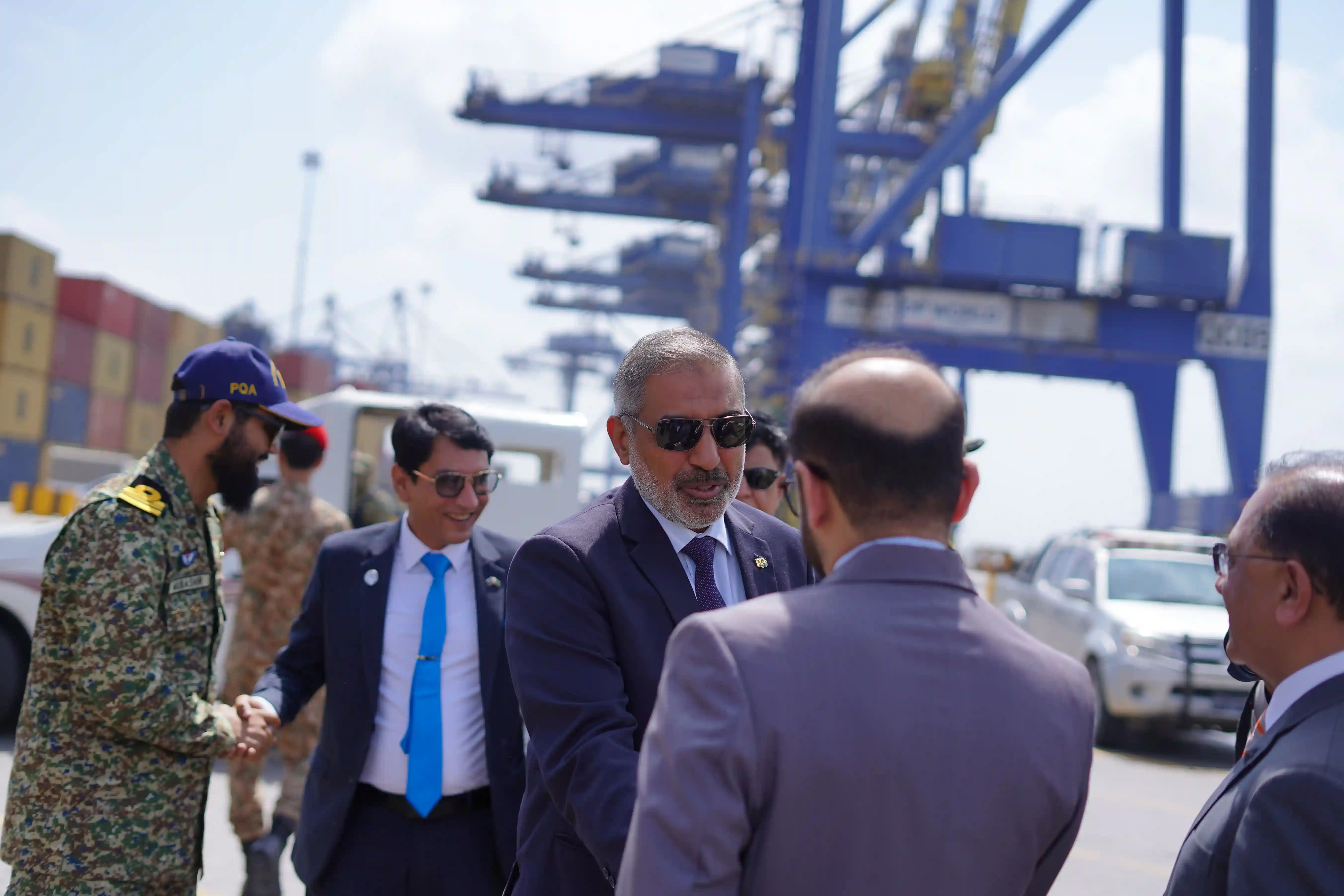
Once the objective has been established, the next step is to select the event format that can deliver that objective most effectively. A conference may be appropriate when the company needs to bring together professionals, speakers, executives, clients, or industry stakeholders for presentations and discussions. Companies planning a conference can use MARCEM’s conference event planner in Karachi service for venue coordination, stage production, audiovisual requirements, speaker management, registration, and event execution.
Seminars and workshops require a different structure because the emphasis is usually on learning, discussion, training, or professional development. Seating arrangements, presentation technology, audience interaction, and session management become particularly important. Companies organizing these programmes can explore seminar and workshop event planning in Karachi when they need a structured and professionally coordinated experience.
For employee celebrations, recognition programmes, and company milestones, an annual dinner or corporate gala can create a more social environment. A corporate annual dinner can combine formal dining with leadership messages, employee recognition, awards, entertainment, and company achievements. Businesses planning this type of event can work with a corporate annual dinner planner in Karachi to coordinate the venue, catering, décor, stage, entertainment, awards, and complete event execution.
Understanding the Corporate Audience
One of the most important parts of corporate event planning is understanding who will attend. An event designed for employees will naturally have different requirements from an event attended by clients, investors, business partners, government representatives, executives, or industry professionals. The audience determines the tone of the event, the style of communication, the venue requirements, the programme structure, and even the type of hospitality that should be provided.
A professional planner should understand what guests expect from the event and why they are attending. If clients are being invited, the event should create opportunities for meaningful interaction rather than simply providing entertainment. If employees are attending an annual celebration, the experience should make them feel recognized and connected to the organization. If senior executives are attending a leadership event, the programme should respect their time and provide an environment suitable for strategic discussion.
The guest experience should therefore be considered from the moment an invitation is received until the moment the attendee leaves the venue. Registration, welcome arrangements, seating, presentations, networking, catering, entertainment, and departure should all feel like parts of the same experience.
Setting a Realistic Corporate Event Budget
Budgeting is another major component of planning a corporate event in Karachi. The total investment depends on the event format, guest count, venue, catering, stage production, audiovisual equipment, lighting, décor, entertainment, branding, staffing, photography, videography, transportation, and other operational requirements. Instead of treating every element equally, companies should decide which parts of the event are most important to achieving the desired outcome.
For example, a product launch may require a larger investment in stage design, LED screens, audiovisual content, lighting, and product presentation because visual communication is central to the experience. An executive dinner may place greater emphasis on venue quality, privacy, hospitality, food, and guest management. An employee awards ceremony may require a carefully produced stage, award graphics, trophies, entertainment, and photography.
A professional corporate event planner can help allocate the available budget according to the event’s priorities. This can prevent companies from spending heavily on elements that have little impact while underinvesting in the areas that actually influence the guest experience. It is also important to maintain a contingency allowance because unexpected requirements can appear during venue setup, production, catering, or event execution.
Selecting a Corporate Event Venue in Karachi

Choosing the right venue is one of the most important decisions in corporate event planning because the venue affects the guest experience, event design, production, catering, accessibility, parking, and overall logistics. Karachi offers a wide variety of hotels, banquet halls, clubs, conference spaces, and other venues, but the most visually attractive venue is not necessarily the most suitable one for a particular corporate event.
The venue should be evaluated according to the requirements of the programme. A conference may need sufficient stage depth, strong audiovisual infrastructure, presentation screens, registration space, comfortable seating, and reliable power. An annual dinner may require an attractive dining environment, a large stage, entertainment space, and suitable catering facilities. An exhibition may need sufficient floor space, exhibitor access, visitor movement, booth installation areas, and branding opportunities.
Companies should also consider the location of the venue because Karachi’s traffic and travel distances can significantly influence attendance and punctuality. Parking, accessibility, guest arrival, security, loading areas, technical access, and setup restrictions should be assessed before the venue is confirmed. MARCEM’s corporate event venue resources for Karachi can help businesses understand what to consider when evaluating a venue.
Creating the Corporate Event Concept
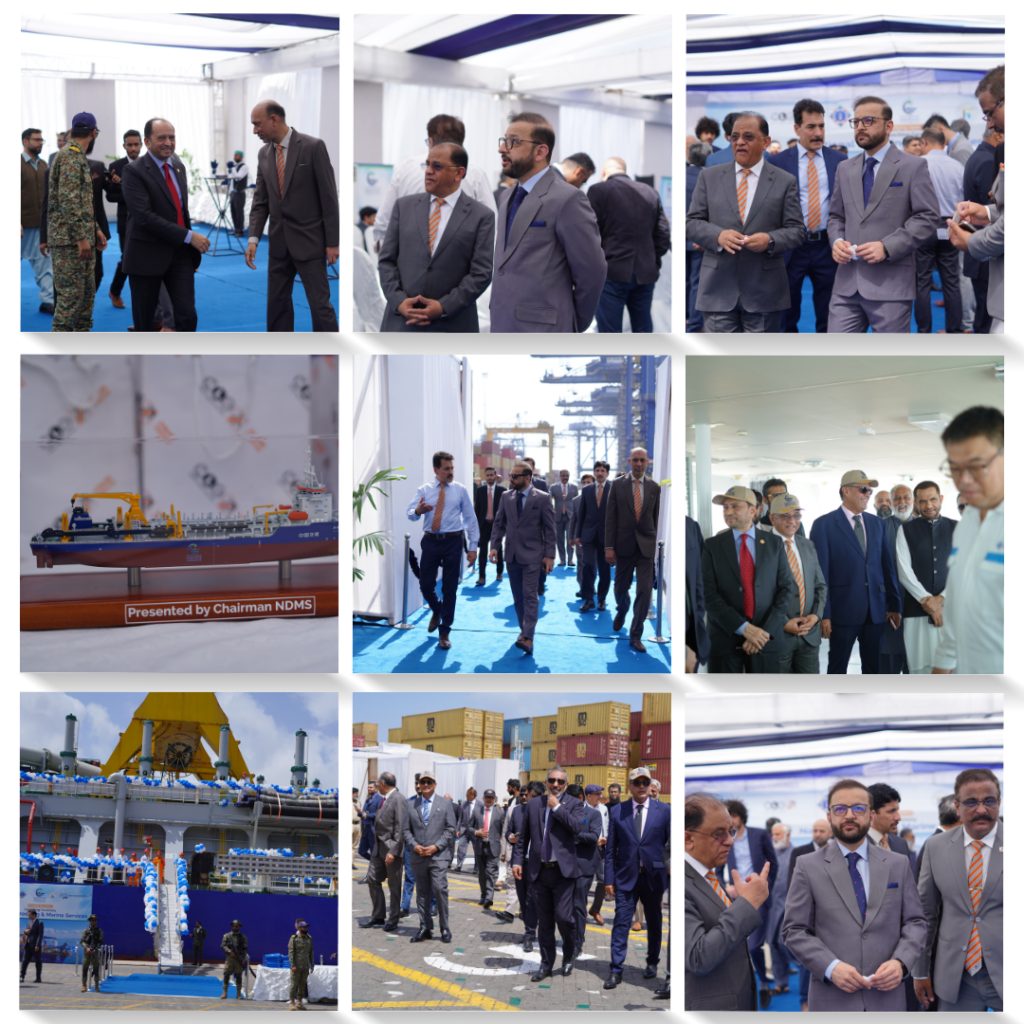
After the venue and objective have been established, the planning team can develop the event concept. The concept should reflect the company’s identity, the purpose of the event, and the expectations of the audience. A corporate awards night might use a theme focused on achievement and excellence, while a product launch could emphasize innovation and the future. A leadership summit might require a more sophisticated and executive-focused environment.
The concept should influence the stage design, LED visuals, entrance experience, branding, invitations, décor, presentations, entertainment, and photography. When these elements are developed around one central idea, the event feels more professional and intentional. Without a clear concept, corporate events can sometimes become a collection of unrelated decorations, presentations, and activities.
Designing the Stage and Event Environment
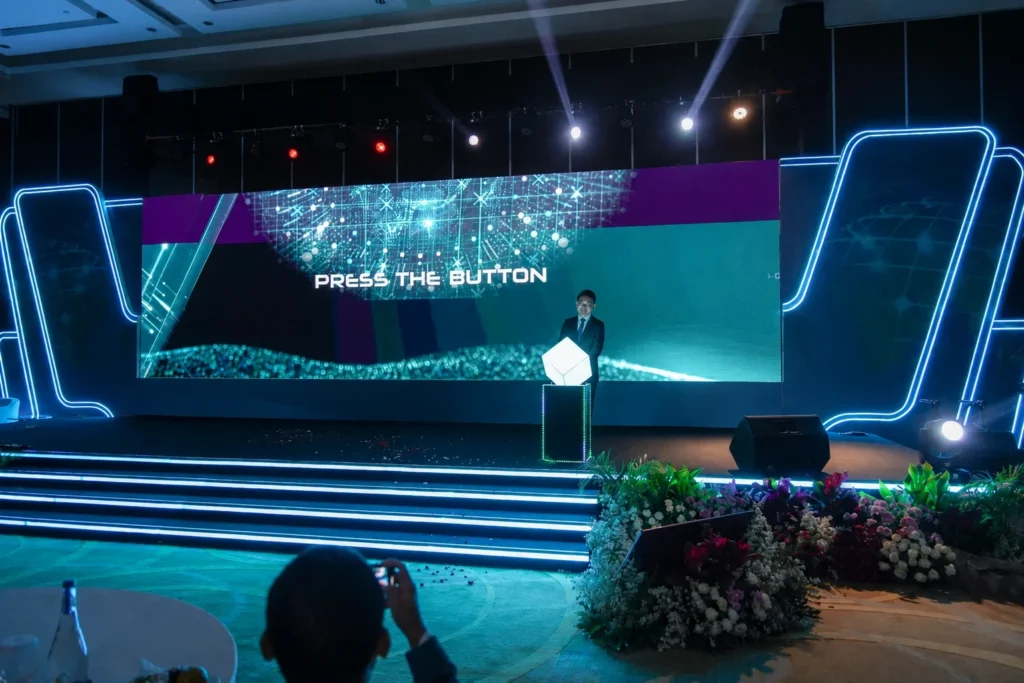
The stage is often the visual center of a corporate event, but it should be designed according to the programme rather than simply for decoration. A conference stage may need a large LED screen for presentations, speaker seating, a lectern, confidence monitors, and professional lighting. An awards ceremony requires enough space for presenters and recipients, while a product launch may require a reveal area, product display, dramatic lighting, and high-impact audiovisual content.
The surrounding environment should also support the brand. Entrance areas, registration desks, photo walls, directional signage, tables, stage graphics, and presentation screens can all contribute to a consistent corporate identity. The strongest corporate branding does not necessarily mean placing a company logo everywhere. It means creating a coherent visual environment where the company’s identity is naturally integrated into the experience.
Managing Sound, Lighting, LED Screens, and AV

Technical production is one of the areas where corporate events can quickly become complicated. A conference may require multiple microphones, presentation systems, video playback, stage lighting, recording equipment, and live switching. A gala or awards ceremony may require music cues, entertainment production, dynamic lighting, LED graphics, and additional technical equipment.
The technical requirements should be determined well before the event day. Presentation files need to be checked, videos need to be tested, microphones need to be configured, lighting cues need to be programmed, and LED content needs to match the programme. A professional technical rehearsal can identify problems before guests arrive, which is particularly important when the event includes senior executives, important clients, speakers, or media.
Developing the Corporate Event Programme
The event programme should be designed around the attention and expectations of the audience. A corporate event does not automatically become successful because it contains a large number of speeches, presentations, or activities. The programme needs a logical flow that gives guests enough information, interaction, entertainment, and opportunities to connect.
A conference may begin with registration and networking before moving into an opening presentation, keynote session, panel discussion, technical session, networking break, and closing remarks. An annual dinner may begin with guest arrival and networking before moving into the formal opening, leadership address, company achievements, awards, entertainment, dinner, and closing. The exact structure should always reflect the event’s purpose.
Timing is especially important. Long presentations can reduce audience engagement, while poorly timed catering can interrupt important sessions. A professional event manager coordinates these elements so that the programme feels smooth rather than fragmented.
Planning Corporate Catering and Hospitality
Catering is one of the most visible aspects of the guest experience. The menu, service style, timing, presentation, and staff coordination can influence how guests perceive the overall event. Corporate catering may include formal dinners, buffets, networking refreshments, tea and coffee breaks, executive meals, canapés, or live food stations depending on the event format.
The catering schedule should be coordinated with the programme. At a conference, refreshments may need to be served during structured breaks. At an annual dinner, meal service needs to work around speeches, awards, and entertainment. At a networking event, food and beverages may need to be available throughout the interaction period.
The objective is not simply to provide food. The objective is to provide hospitality without disrupting the event experience.
Managing Corporate Branding
Corporate branding should be integrated throughout the event in a way that feels professional and consistent. Stage graphics, LED content, entrance signage, registration areas, name badges, presentations, photo walls, awards, and event materials can all contribute to the company’s visual identity.
For product launches and marketing campaigns, branding becomes even more important because the event may be part of a broader communication strategy. In these cases, brand activation event planning in Karachi can help businesses create an environment where the audience interacts directly with the brand instead of simply watching a presentation.
Planning a Corporate Product Launch

A product launch requires a different level of storytelling because the event needs to create anticipation and communicate the value of the product. The audience should understand why the product matters before the final reveal takes place.
A professionally designed launch may combine an opening film, company presentation, market insight, product demonstration, leadership presentation, product reveal, audience interaction, networking, and media opportunities. Stage lighting, LED content, sound design, and visual storytelling can be coordinated to make the reveal memorable.
Companies introducing a new product or service in Karachi can use product launch event planning in Karachi to coordinate the creative, production, branding, and operational requirements of the launch.
Planning a Corporate Awards Ceremony
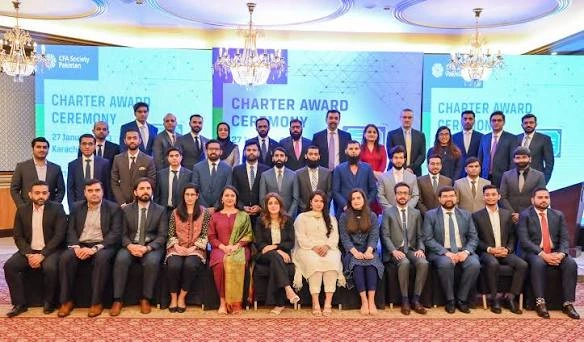
Corporate awards ceremonies require exceptional attention to detail because the programme involves people, names, categories, presentations, trophies, photography, music, and stage movement. A single incorrect name or award category can create an avoidable problem in front of the audience.
The award database, winner information, presentation graphics, trophy preparation, MC script, music cues, photography positions, and stage sequence should all be checked before the event. Rehearsal is particularly important because the awards programme often contains numerous transitions.
For organizations planning employee or corporate recognition programmes, award ceremony event planning in Karachi can provide the specialist coordination required for the programme.
Planning Corporate Conferences and Exhibitions
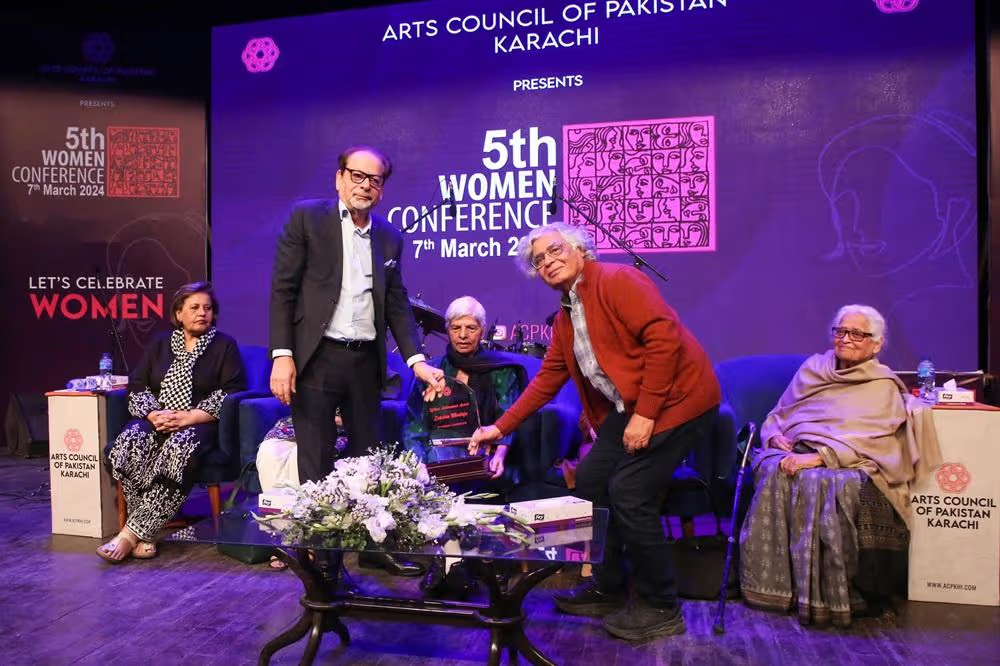
Large conferences and exhibitions require a broader operational structure because the event may involve hundreds or thousands of participants, speakers, exhibitors, sponsors, vendors, and technical teams. Registration, crowd movement, stage production, presentations, branding, exhibitor requirements, networking, catering, and security need to be coordinated as one system.
For exhibition-focused corporate events, trade show and exhibition event planning in Karachi can help businesses organize exhibitor spaces, visitor experiences, branding, production, and event logistics.
For executive-level gatherings, board meeting and executive summit planning in Karachi provides a more focused approach suited to senior leadership and strategic business discussions.
Planning Corporate Team-Building Events
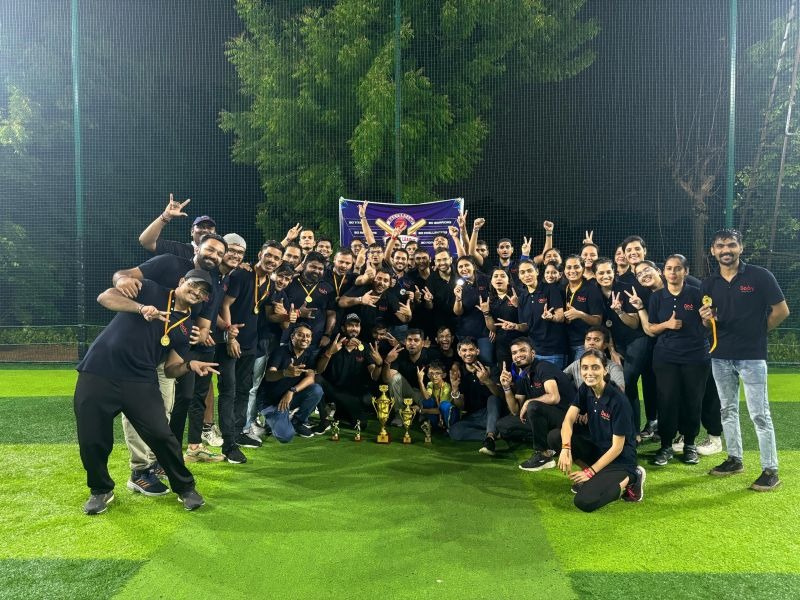
Team-building should have a meaningful purpose rather than being treated simply as a day of games. A company may want to improve communication between departments, strengthen collaboration, develop leadership skills, or simply give employees an opportunity to interact outside the normal workplace.
The activity, venue, schedule, food, transportation, facilitators, and overall environment should be designed around the company’s objective. A well-planned team-building experience can help employees interact in ways that are difficult to achieve in their normal working environment.
Companies planning employee engagement experiences can explore team-building event planning in Karachi to develop an experience appropriate for their workforce.
Managing Guests and VIPs
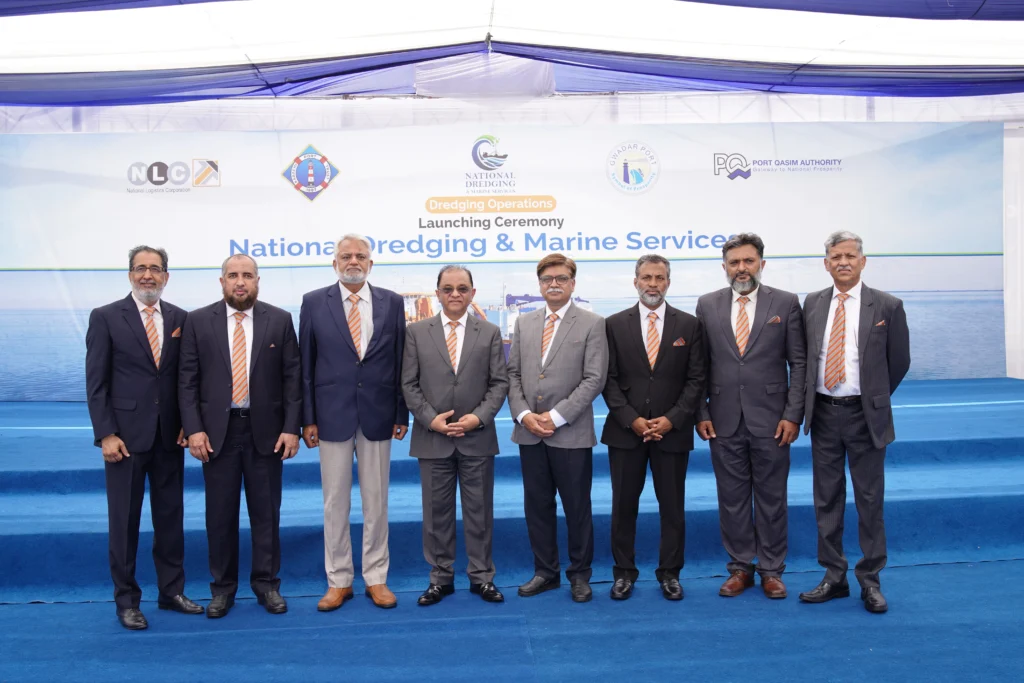
Corporate events often involve senior executives, important clients, business partners, speakers, sponsors, and other VIP guests. Their arrival and movement should be planned before the event begins.
VIP management can involve dedicated reception arrangements, reserved seating, parking coordination, hospitality, security, backstage access, and direct communication with the event management team. These details should be handled discreetly so that the VIP experience feels smooth rather than overly complicated.
Guest management also extends to registration. A long queue at the entrance can immediately damage the professional impression of an otherwise well-designed event. Registration systems, guest lists, name badges, seating information, and welcome staff should therefore be prepared carefully.
Creating a Corporate Event Contingency Plan
Even the most carefully planned corporate event can experience unexpected problems. A speaker may arrive late, a presentation may fail, weather may affect an outdoor event, a supplier may experience a delay, or a technical component may stop working.
The purpose of contingency planning is not to eliminate every possible problem. It is to make sure the event team knows how to respond when something happens. Backup presentations, alternative programme sequences, technical backups, emergency contacts, power solutions, weather plans, and additional production resources can all reduce risk.
The best contingency plan is often the one that guests never realize was necessary.
Conducting the Final Rehearsal
Before guests enter the venue, the event should be tested as if it were already happening. Speakers should know where they need to stand, the MC should understand the sequence, presentations should be tested, videos should play correctly, microphones should be checked, lighting cues should be confirmed, award sequences should be rehearsed, and the production team should know exactly what happens at every transition.
A final rehearsal is particularly important for large corporate events because multiple teams may be working simultaneously. The venue, catering team, production company, entertainment team, registration staff, photographers, videographers, and event managers should all understand the final schedule.
Managing the Corporate Event on the Day
Event-day management is where preparation becomes visible. The event management team needs to coordinate the venue setup, suppliers, technical production, registration, guest arrival, catering, speakers, entertainment, photography, VIPs, and programme transitions.
A dedicated event manager or production lead should have a complete understanding of the event schedule and authority to coordinate different teams. This prevents the company’s internal staff from having to solve operational issues while simultaneously hosting their guests.
For businesses that want the internal team to remain focused on clients, employees, and executives, professional corporate event planning in Karachi provides a centralized management structure from planning through execution.
Measuring the Success of the Event
The event should not be considered complete simply because the guests have left the venue. The company should evaluate whether the original objective was achieved.
For a client event, success might be reflected in meaningful conversations, new meetings, stronger relationships, or future business opportunities. For an employee event, feedback, participation, engagement, and employee sentiment may be more important. For a product launch, product inquiries, demonstrations, media coverage, audience engagement, and leads may become important measures.
This is why the objective should be established before the event is planned. Without a clear objective, it becomes difficult to determine whether the investment actually produced value.
How Early Should You Start Planning a Corporate Event in Karachi?
The required planning period depends on the scale and complexity of the event. A small internal seminar may be organized within several weeks, while a large conference, exhibition, product launch, annual dinner, or corporate gala may require several months of preparation.
Starting early gives the company greater flexibility when selecting venues, suppliers, speakers, entertainment, production partners, and catering arrangements. It also allows sufficient time to develop the event concept, finalize branding, create presentations, confirm guests, test technical content, and prepare contingency plans.
For major corporate events, early planning is particularly valuable because preferred venues and specialist suppliers may have limited availability during busy periods.
Why Hire a Professional Corporate Event Planner in Karachi?
Managing a corporate event internally can quickly become complicated because the company may need to coordinate multiple suppliers while continuing to manage normal business responsibilities. Venue management, catering, production, décor, audiovisual equipment, entertainment, branding, registration, guest management, photography, and event-day operations all require coordination.
A professional event planner provides one central point of management. Instead of the company’s HR, marketing, administration, or management team communicating separately with every supplier, the event planner coordinates the different departments and vendors according to one master plan.
For companies looking for a dedicated corporate event planner in Karachi, the value is not simply access to event suppliers. It is the ability to bring the creative, technical, hospitality, and operational sides of the event together into one coordinated experience.
Frequently Asked Questions
How do I plan a corporate event in Karachi?
Planning a corporate event in Karachi starts with defining the purpose, target audience, guest count, budget, event format, and desired outcome. After these fundamentals are established, the planning process moves into venue selection, event concept, stage and audiovisual production, catering, branding, guest management, entertainment, programme scheduling, and event-day coordination. Working with a professional corporate event planner can help bring these elements together under one coordinated plan.
How much does it cost to organize a corporate event in Karachi?
The cost of a corporate event in Karachi depends on several factors, including the number of guests, venue, catering, stage design, LED screens, sound and lighting, décor, branding, entertainment, photography, videography, staffing, and event duration. A small corporate meeting and a large annual dinner or conference can have completely different budgets. The best approach is to establish the event requirements first and then develop a budget around the experience and business objectives.
How early should I start planning a corporate event in Karachi?
The ideal planning timeline depends on the size and complexity of the event. Smaller corporate gatherings can often be organized within several weeks, while conferences, exhibitions, product launches, corporate galas, and large annual dinners may require several months of preparation. Starting early provides more flexibility when selecting venues, suppliers, speakers, entertainment, production teams, and catering services.
What services does a corporate event planner provide in Karachi?
A professional corporate event planner can manage the complete event process, including concept development, venue selection, budgeting, décor, stage design, LED screens, sound and lighting, catering, branding, entertainment, guest registration, speaker coordination, photography, videography, supplier management, technical rehearsals, and event-day execution. The exact services depend on the company’s event format and requirements.
Why should I hire a corporate event planner in Karachi?
Hiring a professional corporate event planner allows a company’s internal team to focus on business objectives and guests instead of coordinating multiple suppliers and operational details. An experienced planner can manage the venue, production, catering, branding, entertainment, guest experience, and event-day logistics through one coordinated plan, helping reduce operational problems and create a more professional corporate experience.
Final Thoughts on Corporate Event Planning in Karachi
A successful corporate event begins long before guests enter the venue. It begins with understanding why the company is organizing the event, who needs to attend, what the audience should experience, and what result the business wants to achieve.
Once those decisions are clear, the venue, programme, stage, branding, catering, entertainment, audiovisual production, guest management, and event-day operations can be developed around the same objective.
Whether a company is organizing a corporate annual dinner, conference, awards ceremony, product launch, exhibition, executive summit, team-building event, or corporate gala, the strongest events are those where every part of the experience feels connected.
MARCEM Events provides corporate event planning and management in Karachi, helping businesses transform their event objectives into professionally designed and executed experiences. From concept development and venue coordination to production, branding, catering, entertainment, guest management, and final execution, the focus remains on creating an event that represents the company professionally and delivers genuine value to its audience.
If your company is planning a corporate event in Karachi, the right time to begin is before the venue is booked. Start with the objective, build the experience around your audience, and let professional event management turn the strategy into a successful event.