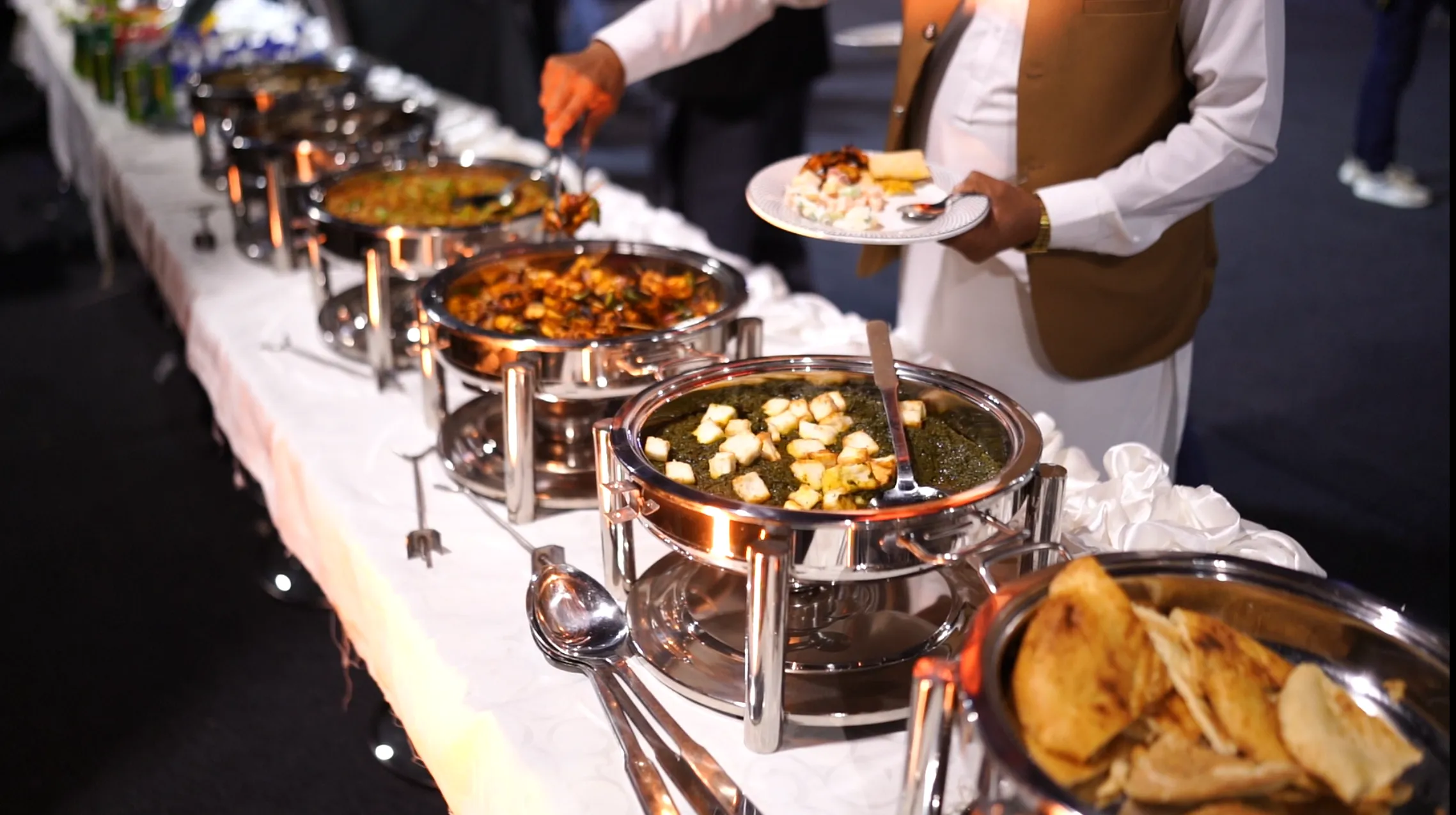
Wedding catering shapes the guest experience more than almost any other element of the day. Choosing the right wedding catering service means evaluating menu flexibility, food quality, service style, vendor coordination, and cultural fit especially for multi-day Pakistani weddings spanning Mehndi, Nikah, Barat, and Walima events.
Food is one of the few things every single guest will remember. The flowers may fade from memory. The music fades too. But a beautifully spiced, generously served wedding meal? That stays with people. It becomes the story they tell at the next family gathering, the detail that separates a good wedding from a genuinely great one.
Pakistani weddings are not a single evening affair. They are multi-day celebrations, each with their own mood, guest list, cultural significance, and catering requirements. Mehndi calls for something festive and colorful. Barat demands grandeur. Walima is about warmth and hospitality in its most refined form. Each event deserves a catering strategy designed specifically for it not a copy-paste menu recycled across all three days.
This guide was written to give couples, families, and wedding planners a complete, honest, and practical resource for navigating wedding catering decisions. Whether you are planning an intimate Nikah ceremony in Islamabad or a 1,000-guest Barat in Karachi, what follows will help you ask the right questions, avoid the most common mistakes, and create a food experience your guests will genuinely love.
MARCEM Event Solutions, with 12+ years of wedding planning experience across Karachi, Lahore, and Islamabad, has been part of hundreds of these decisions. This guide reflects what we have learned from planning over 1,600 events.
Why Wedding Catering Matters More Than Most Couples Realize
Couples often allocate the largest portion of their wedding budget to the venue and décor. Catering, though equally consequential, sometimes gets treated as an afterthought finalized last, rushed, or selected purely on price.
That is a costly mistake, and not just financially.
Wedding catering directly affects guest comfort, event pacing, and the overall atmosphere of each function. When food service is slow, guests grow restless. When the menu lacks variety, dietary needs go unmet. When presentation is poor, even exceptional food fails to impress. Conversely, a well-executed catering plan elevates the entire event it signals care, generosity, and hospitality.
In Pakistani culture, feeding guests well is an act of honor. Families are often judged by how abundantly and graciously their guests are fed. This is not an exaggeration it is a cultural truth that shapes how wedding catering must be approached in this context.
Great catering also supports event flow. Experienced caterers coordinate with the wedding planner in Pakistan, venue team, and entertainment schedule to ensure food is served at precisely the right moment. This kind of backstage coordination is invisible when it works well and immediately obvious when it breaks down.
How to Choose the Best Wedding Catering Service
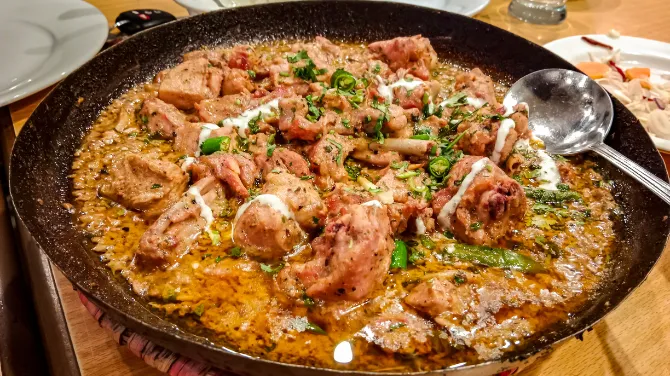
Selecting the right catering company requires more than tasting a few dishes. Here is what to evaluate before signing any contract.
Experience and Specialization
A caterer who has handled intimate dinner parties is not necessarily equipped to manage a 500-guest Barat reception. Ask specifically about their experience with weddings of your size and style. How many large Pakistani weddings have they catered? Do they have experience with multi-day events? Can they provide references from recent clients?
Food Quality and Consistency
Tasting sessions are non-negotiable. Schedule a formal tasting where you can evaluate multiple dishes across different courses. Pay attention to seasoning, freshness, and presentation. A caterer who delivers exceptional food at a tasting but inconsistent quality on the night is a serious risk.
Menu Flexibility
The best catering companies offer menus that can be customized based on cultural preferences, dietary needs, seasonal availability, and budget. Rigid, fixed menus are a warning sign. Your wedding menu should reflect your family’s tastes, not the caterer’s convenience.
Licensing and Food Safety Standards
Confirm that the catering company holds valid food service licenses and follows proper food handling protocols. This is especially critical for outdoor weddings and large-scale events where food sits in serving stations for extended periods.
Staffing Quality and Professionalism
The serving staff are the face of the catering operation during the event. Observe how they present themselves during the tasting. Are they attentive, professional, and well-groomed? The ratio of staff to guests also matters a minimum of one server per 20 to 25 guests is generally recommended for seated service.
Vendor Coordination and Venue Experience
A caterer who has worked at your chosen venue before is a significant advantage. They understand the kitchen layout, loading access, service logistics, and any restrictions the venue imposes. Ask your wedding venue coordinator for a list of approved or recommended caterers.
Contracts and Transparency
Every agreement should be documented. The contract must specify the exact menu, number of guests, service style, staffing numbers, setup and breakdown times, payment schedule, and cancellation policy. Never proceed on verbal assurances alone.
Emergency Planning
Experienced caterers have contingency protocols for equipment failure, staff shortages, and unexpected guest count increases. Ask directly how they handle these situations.
Wedding Catering Styles Explained
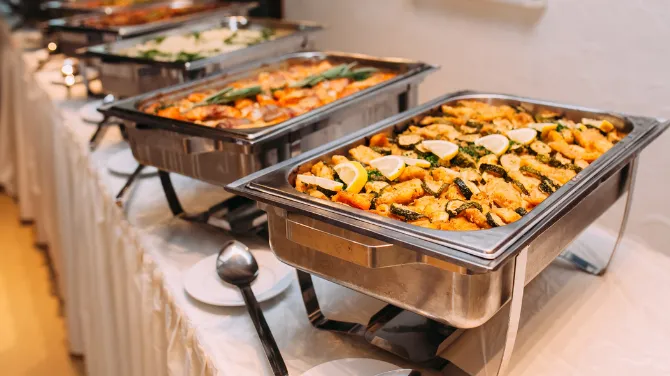
The service style you choose shapes the entire dining experience. Each approach has distinct advantages and is suited to different event types.
Buffet Service
Buffet-style catering remains the most popular choice for Pakistani weddings, particularly for Barat and Walima functions with large guest counts. Guests serve themselves from a spread of dishes, which allows for greater variety and accommodates diverse preferences. Buffets are practical, cost-effective for large numbers, and create a social, relaxed atmosphere.
Plated Service
Plated or sit-down service brings a formal, elegant structure to the dining experience. Each guest receives a pre-selected or pre-ordered meal at their table. This style suits smaller, more intimate events — a Nikah ceremony or a destination wedding dinner, for example — where the emphasis is on refinement and personalized hospitality.
Family Style Service
Dishes are placed on each table and shared among seated guests, mimicking the warmth of a home meal. Family-style service creates a communal atmosphere that resonates strongly with Pakistani wedding culture, where sharing food is an expression of love and togetherness. It works particularly well for Walima receptions.
Live Stations
Live cooking stations where chefs prepare dishes on the spot add theatre and interactivity to the dining experience. Grill stations, biryani counters, chaat corners, and dessert live stations are increasingly popular at premium Pakistani weddings. They create a point of visual interest and allow guests to engage directly with the food preparation.
Cocktail Reception Style
For pre-ceremony gatherings or welcome events, a roaming appetizer and canapé service keeps guests comfortable and engaged without committing to a full seated meal. Cocktail-style catering works well for Mehndi evenings or pre-Barat welcome receptions.
How to Build the Perfect Wedding Menu
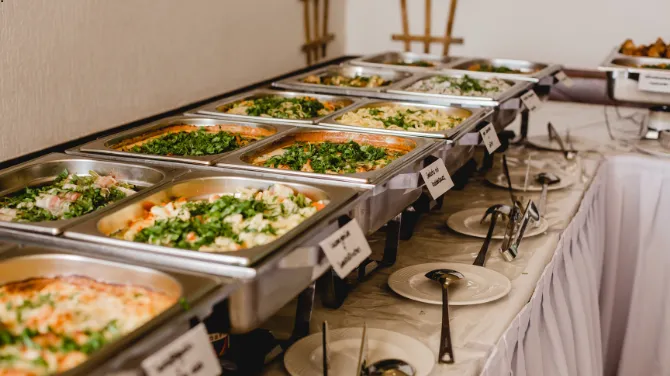
A well-constructed wedding menu tells a story. It moves guests from anticipation to satisfaction across multiple courses, accommodates different needs, and reflects the family’s cultural identity.
Appetizers and Starters
Opening bites set the tone for everything that follows. For Pakistani weddings, popular starter options include seekh kebab platters, samosas, dahi bhalla, and assorted chaat. At outdoor or lawn events, roaming starters served on trays while guests are being seated keep energy high during arrival.
Main Courses
The main course is where the menu makes its biggest statement. A traditional Pakistani wedding menu typically features a combination of:
- Meat dishes: Nihari, karahi, mutton rogan josh, chicken handi, BBQ selections
- Rice dishes: Beef or mutton biryani, pulao, zeera rice
- Breads: Naan, roghni naan, puri
- Vegetarian options: Daal, aloo palak, paneer-based dishes
For upscale events, Continental or fusion dishes can be integrated alongside traditional options to accommodate mixed-taste preferences.
Desserts
Pakistani wedding desserts deserve serious attention. Gulab jamun, kheer, firni, and shahi tukray are beloved classics. For more contemporary celebrations, a dessert live station featuring customizable options creates a memorable finale to the meal.
Beverages
Non-alcoholic beverage service at Pakistani weddings typically includes fresh juices, lassi, rooh afza sherbet, mocktails, and a hot beverage station with chai and coffee. Cold drink stations are essential at outdoor and summer events.
Late-Night Snacks
For Barat functions that extend well into the evening, a late-night snack service typically a lighter, street-food-inspired spread is a thoughtful addition that guests genuinely appreciate.
Children’s Options and Dietary Accommodations
Every guest deserves to eat well. Children’s menus, diabetic-friendly options, and allergen-aware dishes should be planned in advance. Discuss these requirements explicitly with your caterer during the planning phase, and ensure they are communicated to serving staff.
Seasonal Ingredients
Menus built around seasonal produce are fresher, more flavorful, and often more affordable. A winter wedding in Lahore might feature hearty, warming dishes. A summer Walima in Karachi calls for lighter, cooling options. Work with your caterer to align the menu with the season and climate.
Traditional Pakistani Wedding Catering Ideas
Every function in a Pakistani wedding has its own culinary personality.
Mehndi Catering
The Mehndi is vibrant, musical, and celebratory and the food should match that energy. Mehndi menus tend toward festive, finger-food-friendly options. Think chaat counters, dahi puri, bun kebab, fruit chaat, and an array of colorful drinks and sherbets. A dedicated sweet station featuring traditional mithai adds cultural authenticity. The format is typically semi-buffet or live station, keeping guests mobile and energetic.
Nikah Catering
The Nikah ceremony, often more intimate than the larger celebrations, calls for refined simplicity. A formal seated lunch or dinner with a smaller, carefully curated menu works well. High-quality presentation matters here. Traditional dishes like mutton pulao, mixed BBQ platter, and a classic mithai selection are well-suited to the occasion’s solemnity.
Barat Catering
The Barat is the grandest event of the wedding sequence, typically drawing the largest guest count and demanding the most elaborate catering arrangement. A full buffet spread with multiple meat dishes, biryani counters, live grill stations, and an extensive dessert selection is standard. The sheer scale of Barat catering makes professional coordination critical staffing, queue management, food replenishment timing, and serving station layout all require expert planning. MARCEM’s wedding planning team coordinates directly with catering vendors to ensure Barat service runs without disruption.
Walima Catering
The Walima is a celebration of hospitality, and the food should reflect that warmth. A generous, home-style menu that feels both grand and welcoming is the goal. Family-style service works particularly well here. Signature dishes, high-quality biryani, a rich dessert spread, and attentive table service create the impression of a host who truly honors their guests.
Wedding Catering for Different Venues
The venue determines many aspects of the catering plan from kitchen access and equipment to service logistics and guest flow.
Hotels and Banquet Halls
Hotels and dedicated banquet halls offer the most favorable catering environment. In-house kitchen facilities, adequate power supply, climate-controlled spaces, and experienced venue staff simplify coordination considerably. In many cases, hotels offer in-house catering packages that cover food, service, and equipment.
Outdoor Lawns and Garden Venues
Outdoor weddings are beautiful and logistically demanding. Caterers working at lawn venues must bring all their own equipment, manage temperature control for food, and plan for contingencies like power cuts or sudden weather changes. Food safety is a heightened concern at outdoor events, particularly in summer months. Only engage caterers with proven outdoor event experience.
Destination Weddings
Destination wedding catering requires a fundamentally different approach. Whether the event takes place in the northern areas of Pakistan, a coastal resort, or an international location, the catering team must plan around limited local supply chains, transportation of specialty ingredients, and venue-specific constraints. MARCEM Event Solutions has extensive experience coordinating destination weddings, including all catering logistics.
Private Residences
Home-based wedding receptions present unique challenges limited kitchen access, restricted parking for delivery vehicles, and space constraints for live stations. An experienced caterer will conduct a site visit in advance and adjust the service plan accordingly.
Luxury Wedding Catering Trends
Premium wedding catering has evolved considerably. Today’s most celebrated weddings go beyond a well-stocked buffet.
Interactive Food Stations
Live cooking stations where guests can customize their dishes a biryani counter, a stir-fry station, a chaat bar, or a grill corner create lasting memories and eliminate the monotony of traditional buffet service.
Chef-Led Experiences
Bringing a notable chef on board for a signature dish or a live cooking demonstration adds prestige and a distinctive identity to the wedding menu. This is particularly popular for Barat and Walima receptions.
Personalized Menus
Couples are increasingly building menus that tell their personal story a dish from the bride’s family, a recipe from the groom’s hometown, a drink that represents a shared travel memory. This level of personalization transforms catering from a service into an experience.
Sustainable and Farm-to-Table Catering
Sourcing ingredients locally, minimizing food waste, and working with sustainable vendors is a growing priority among conscientious couples. Farm-to-table catering at weddings is gaining traction in Pakistani urban markets, particularly among younger families.
Global Flavors
Fusion menus that blend Pakistani classics with international cuisines Mediterranean mezze alongside desi starters, Japanese-inspired desserts alongside traditional mithai reflect the cosmopolitan tastes of Pakistan’s wedding market today.
Elegant Presentation and Table Design
The visual presentation of food has become as important as its taste. Custom platters, branded packaging for mithai favors, floral garnishes, and coordinated table linens elevate the dining experience and complement the overall wedding decoration concept.
Wedding Catering Checklist Before Booking
Use this checklist as a practical planning tool before committing to any catering provider.
- Define your guest count with realistic projections, accounting for plus-ones and walk-in family guests
- Set a catering budget that distinguishes between per-head food cost, staffing, equipment rental, and service charges
- Identify your service style (buffet, plated, family style, or a combination) for each function
- Shortlist three to five catering companies based on references, portfolio, and relevant experience
- Schedule tastings with your top two or three choices
- Discuss menu flexibility and ensure customization is possible for dietary needs
- Confirm venue compatibility does the caterer have experience with your specific venue?
- Review licensing and food safety certifications
- Request a full, itemized quote covering food, staff, equipment, transport, and setup
- Read the contract carefully before signing, paying attention to cancellation clauses and payment terms
- Confirm staffing ratios for each event
- Establish a direct communication contact within the catering team for the day of the event
Questions to Ask Your Wedding Caterer
Before finalizing your decision, put these questions directly to each catering company.
- How many weddings of a similar scale have you catered in the past 12 months?
- Can we customize the menu based on family preferences and dietary requirements?
- What is your backup plan if a key team member is unavailable on the event day?
- How do you manage food temperature and safety at outdoor events?
- What is the staffing ratio per guest for each service style?
- Do you have experience working at our specific venue?
- How do you coordinate with the wedding planner and venue team on the day?
- What is included in your per-head price, and what costs are additional?
- How do you handle last-minute guest count increases?
- Can we visit a live event you are currently catering?
Common Wedding Catering Mistakes to Avoid
Even the most carefully planned weddings can run into catering problems. Most of them are avoidable.
- Choosing a caterer based on price alone. The cheapest quote rarely delivers the best result. Evaluate value, not just cost.
- Skipping the tasting session. Never approve a menu without tasting the actual food in conditions that simulate the wedding day.
- Underestimating guest count. Always plan for 10 to 15 percent more guests than your confirmed list.
- Ignoring dietary needs. Failing to accommodate vegetarian, diabetic, or allergy-specific needs leaves guests feeling excluded.
- Not confirming staffing levels. Insufficient staff leads to long queues, cold food, and frustrated guests.
- Leaving catering booking too late. The best wedding caterers in Karachi and Lahore book out months in advance, particularly during peak wedding season.
- Overlooking service style for the venue. A plated service in a venue with insufficient table space creates logistical chaos.
- Neglecting food safety at outdoor events. Food left at incorrect temperatures in summer heat poses a genuine health risk.
- Failing to clarify what is included in the quote. Extra charges for crockery, linen, staffing, or transport can inflate costs significantly.
- Not reading the contract before signing. Verbal promises mean nothing without documentation.
- Forgetting about children’s menus. Young guests deserve thoughtful, appropriate options.
- Not coordinating the catering timeline with other vendors. Food service that clashes with the ceremony, entertainment schedule, or photography and videography creates unnecessary stress for everyone.
How Professional Wedding Catering Improves the Entire Wedding Experience
Professional wedding catering does far more than put food on the table. When done well, it contributes to every dimension of the guest experience.
Precise timing means guests are seated and fed at the right moment, supporting the overall event schedule rather than disrupting it. Experienced catering staff communicate directly with the wedding planning team adjusting service pace in real time based on how the ceremony or entertainment is running.
Presentation quality elevates the visual environment of the event. Beautifully arranged buffet spreads, garnished dishes, and coordinated table settings complement the wedding stage design and décor. Food becomes part of the aesthetic story of the day.
Attentive guest management refilling plates, clearing promptly, directing guests to stations removes friction from the experience and creates a sense of genuine hospitality. Guests who feel looked after stay longer, engage more, and leave with warmer memories.
Guest satisfaction, ultimately, is the measure of a successful wedding. And in Pakistani wedding culture, that satisfaction is expressed most clearly at the dinner table.
Why Couples Choose MARCEM Event Solutions for Wedding Catering
MARCEM Event Solutions is a full-service wedding planning and event management company with offices in Karachi, Lahore, and Islamabad. With 12 years of experience and over 1,600 events executed, MARCEM’s team has the knowledge, vendor network, and operational expertise to manage every dimension of a wedding including catering.
MARCEM does not simply connect couples with catering vendors. The team actively manages catering coordination from initial menu planning through to the final service of the evening. This includes:
- Sourcing and vetting catering companies with proven wedding experience
- Managing tastings and menu customization
- Coordinating caterer logistics with the venue team
- Integrating catering timelines with wedding photography and videography schedules, entertainment, and ceremony programming
- Overseeing on-the-day food service quality and staffing performance
Beyond catering, MARCEM provides complete wedding execution services wedding decoration, wedding flowers, stage design, guest management, and destination wedding coordination. Managing all of these services under a single experienced team eliminates the coordination gaps that cause problems when multiple independent vendors work without proper oversight.
MARCEM holds a 4.8/5 rating across 162 Google reviews. Clients consistently highlight the team’s professionalism, attention to detail, and ability to bring a family’s vision to life without unnecessary stress.
Your Questions About Wedding Catering, Answered
How much does wedding catering cost per head in Pakistan?
Wedding catering costs in Pakistan vary based on service style, menu complexity, and event scale. Buffet catering for large events typically starts at Rs. 1,500 to Rs. 3,000 per head, while premium plated or live station service can range significantly higher. Always request itemized quotes to understand exactly what is included.
How far in advance should I book a wedding caterer?
For peak wedding season typically October through March in Pakistan book your caterer at least four to six months in advance. For large-scale Barat events or destination weddings, eight months or more is advisable to secure the best providers.
What is the best service style for a large Pakistani wedding?
For large guest counts (300 or more), buffet service with multiple stations is generally most practical. Live cooking stations can be added to elevate the experience without disrupting service flow.
Can I negotiate the wedding catering menu after booking?
Yes, in most cases. A reputable caterer will accommodate menu adjustments up to a few weeks before the event. Confirm the timeline for menu changes in your contract.
How do I handle dietary requirements for wedding guests?
Inform your caterer of all dietary needs at least two weeks before the event. Clearly marked vegetarian, diabetic-friendly, and allergen-aware dishes should be available at all stations. Brief serving staff so they can guide guests accurately.
Is outdoor wedding catering more expensive than indoor?
Outdoor catering typically involves additional costs for generator hire, equipment transport, chafing dishes, and contingency planning. Budget approximately 15 to 20 percent more for outdoor events compared to equivalent indoor arrangements.
What should I look for when evaluating a catering company’s proposal?
A strong proposal includes an itemized menu, staffing plan, equipment list, timeline, total cost breakdown, and contract terms. Any proposal that lacks these details warrants clarification before signing.
How do caterers manage food safety at large outdoor events?
Reputable caterers use chafing dishes, temperature monitoring equipment, and strict food handling protocols. Ask for their written food safety procedure before booking.
What is the difference between Barat and Walima catering requirements?
Barat catering is typically the largest and most elaborate, requiring the greatest staffing, widest menu variety, and most complex logistics. Walima catering is slightly more intimate in tone, though still generous in scale. The key difference is atmosphere Barat is grand and formal; Walima is warm and hospitable.
How does MARCEM Event Solutions handle wedding catering coordination?
MARCEM manages the entire catering process as part of its full-service wedding planning offering. This includes vendor selection, tasting coordination, contract review, on-day staffing oversight, and integration with all other wedding services. Couples do not need to manage caterers independently the MARCEM team handles every detail.
Plan Your Wedding Catering with Confidence
Wedding catering is not simply a logistical requirement. It is one of the most powerful expressions of hospitality a family can offer. Every element from the opening chaat to the final cup of chai communicates care, generosity, and love for your guests.
The decisions made during the catering planning process have real consequences for how the event feels, how guests remember the day, and how smoothly the overall schedule runs. Starting early, asking the right questions, conducting thorough tastings, and working with experienced vendors makes an enormous difference.
If you are planning a wedding in Karachi, Lahore, Islamabad, or a destination of your choice, MARCEM Event Solutions is ready to help you build a catering plan that reflects your family’s taste, honors your guests, and integrates seamlessly with every other aspect of your celebration.
Contact the MARCEM team to begin planning your wedding catering today.