The right corporate catering ideas Karachi companies choose should match the event’s purpose, schedule, and guests. Meetings may need coffee, a light breakfast, and easy-to-serve snacks, while conferences often require planned breaks, lunch, and dietary options. Office events should combine good food, professional presentation, and dependable timing.
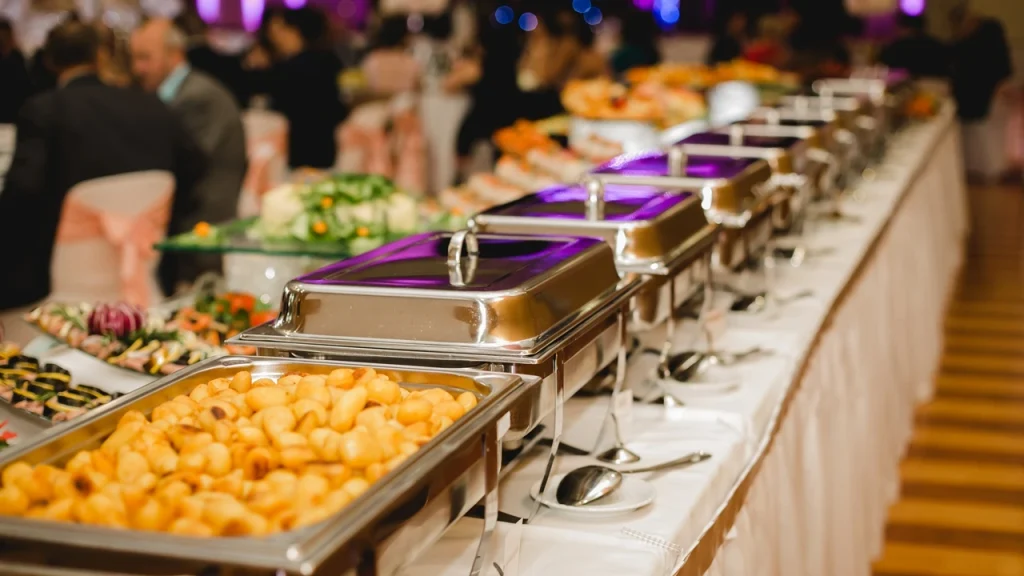
The key is to plan catering around how the event will actually run. When food choices, serving style, and timing fit the workplace, employees and guests can enjoy the meal without disrupting meetings, presentations, or the working day.
Match the Menu to the Business Occasion
There is no single corporate menu that works equally well for every event. The food should reflect the purpose of the gathering, how long people will be there, and how much time they have to eat.
| Business Occasion | Catering Approach | Good Menu Direction |
| Team meeting | Light and convenient | Tea, coffee, sandwiches, pastries and snacks |
| Client meeting | Polished and presentable | Individual portions, premium snacks, beverages and dessert |
| Conference | Structured around breaks | Breakfast, refreshments, lunch and afternoon snacks |
| Office celebration | Varied and social | Finger foods, mains, sides, drinks and desserts |
| Business lunch | Efficient and substantial | Rice or mains, protein, salad, bread and dessert |
For companies arranging corporate catering in Karachi, catering needs can vary even within the same office. A 45-minute meeting, for example, requires a different setup from a full-day conference.
The event format should therefore be the starting point, with the menu, quantities, and service style decided afterward.
Corporate Catering Ideas for Business Meetings
A meeting menu should be easy to eat between discussions and simple enough to serve without creating a long interruption. The best choices depend on the time of day.
For morning meetings
Tea and coffee can be paired with croissants, muffins, sandwiches, fruit and other light breakfast items.
For midday meetings
A compact meal can include chicken or another main protein, rice, salad, raita, bread and a small dessert.
For afternoon meetings
Keep things lighter with tea, coffee, mini sandwiches, savoury snacks, biscuits or fresh fruit.
For client-facing meetings
The presentation deserves extra attention. Neatly portioned items, quality beverages and well-arranged serving trays can create a more appropriate setting for external guests.
The practical rule is simple: serve food that fits the meeting rather than letting the catering dictate the schedule. If participants have only a short break, easily accessible portions are generally more suitable than a complicated meal setup.

Planning Food for a Full-Day Conference
Conference catering is less about one large meal and more about keeping food service aligned with the event schedule. Attendees may need several smaller food breaks before and after the main lunch.
A Practical Conference Catering Flow
| Time | Food Service | Suitable Choices |
| Arrival | Welcome refreshments | Tea, coffee, juice, water and light breakfast items |
| Morning break | Quick refreshment | Pastries, mini sandwiches, biscuits or fruit |
| Lunch | Main meal | Rice, protein dishes, vegetables, salad, bread and dessert |
| Afternoon break | Light refreshment | Tea, coffee, savoury snacks and a small sweet |
| End of event | Optional takeaway | Water, juice or individually packed snacks |
For conference catering in Karachi businesses, timing becomes particularly important when hundreds of attendees are moving between sessions. Food stations should be positioned to support guest flow, while the catering team should know the exact break times before the event begins.
A well-planned conference menu gives attendees enough choice without turning every break into a lengthy dining period.
Building an Office Event Catering Menu
An office event can range from a small employee gathering to a formal company occasion, so the menu should reflect the setting and level of service expected.
For a casual office gathering
Keep it approachable with sandwiches or wraps, savoury snacks, grilled items, fresh salad, soft drinks and a simple dessert.
For a formal corporate occasion
A more substantial spread can include a rice dish, chicken or beef main, vegetable dish, salad, naan, beverages and dessert. Presentation and serving equipment become more important in this setting.
For an employee appreciation event
Give guests greater variety with several starters, two main dishes, sides, drinks, and a dessert selection. Foods that are easy to portion and enjoy while socializing can work particularly well.
Whichever format is selected, the menu should provide enough choice without creating unnecessary duplication. Two well-matched main dishes can be more useful than several similar options.
Business Lunch Catering: Keep It Practical
A business lunch has a different priority from a social meal. Employees may have a fixed lunch window, while clients or visiting executives may expect a more polished dining experience.
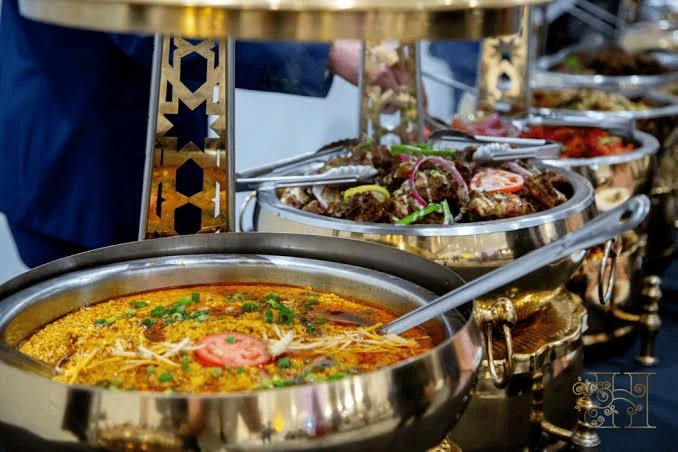
A useful lunch menu usually has one or two substantial mains, a filling side, something fresh, bread, and a dessert. Pakistani options such as biryani, pulao, grilled chicken, or chicken karahi can work well, while salads and raita provide lighter accompaniments.
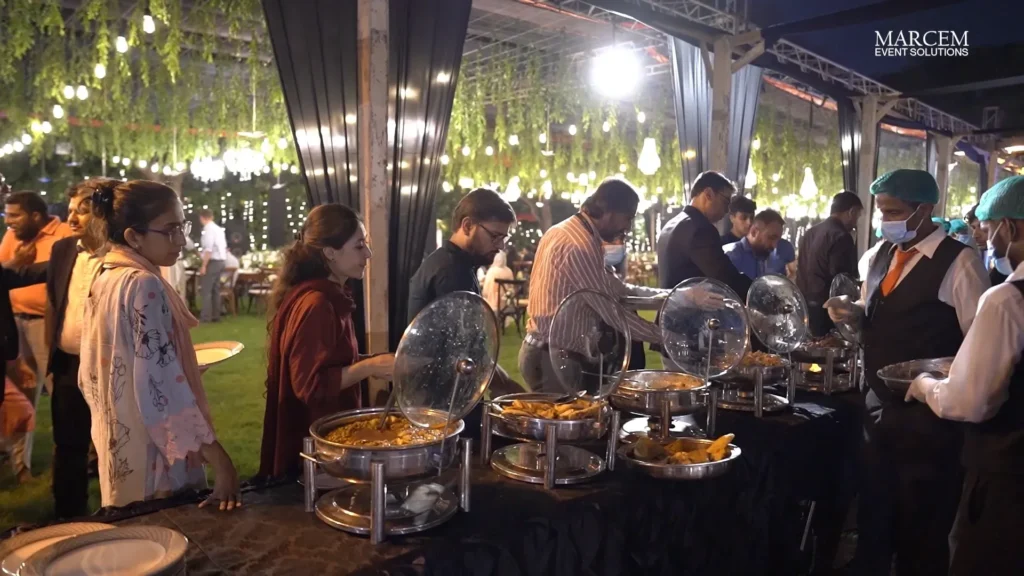
The serving format should follow the setting. A buffet gives larger groups freedom to choose their portions, whereas individually packed or plated meals can make distribution quicker when everyone needs to return to work at a specific time.
For corporate buyers, the best business lunch is therefore not necessarily the most elaborate one. It is the one that fits the available time, guest expectations, and workplace environment.
Plan Catering Around the Workday
Corporate catering has to fit into the working schedule. A menu may be excellent on paper, but poor timing can disrupt meetings, delay presentations, or shorten the time employees have to eat.
Think about the day in four stages:
Before the main event
Provide tea, coffee, water, and light breakfast items when guests arrive early.
During scheduled breaks
Choose food that can be served and consumed quickly, particularly when attendees have only a short interval between sessions.
At lunchtime
Allow enough time for guests to collect food, eat comfortably, and return to the programme without extending the planned break.
After working hours
If the event continues into the evening, provide a more substantial meal and refreshments rather than relying on the day’s earlier catering.
The catering schedule should be confirmed alongside venue access, setup requirements, and serving times. For corporate events, punctuality is part of the overall service experience, not simply a delivery detail.
Make Room for Different Dietary Needs
Corporate events bring together people with different preferences, restrictions, and appetites. A good menu does not need a separate meal for everyone, but it should offer sensible alternatives and make those choices clear.
Before confirming the menu, check:
- Vegetarian requirements: Include at least one substantial meat-free option.
- Allergies: Ask attendees about known allergies early and communicate them clearly to the caterer.
- Spice preferences: Balance strongly seasoned dishes with milder choices.
- Lighter options: Salads, grilled proteins, fruit, and lighter sandwiches can broaden the selection.
- Food identification: Label dishes when ingredients or dietary suitability may not be obvious.
This matters even more for conferences and larger company gatherings, where the organizer may not know every attendee personally.
The simplest approach is to collect dietary information before the final order, allowing the caterer to prepare suitable portions rather than making last-minute changes during service.
What Should You Check Before Booking a Corporate Caterer?
Food quality matters, but corporate buyers usually have to evaluate more than the menu. The caterer also needs to fit the company’s schedule, venue, and expectations.
Before confirming an order, ask:
Can they meet the required timing?
Confirm arrival, setup, and serving times, particularly when the event follows a fixed agenda.
Is the presentation appropriate?
Serving equipment, food arrangement, and staff appearance should suit a professional environment.
Can the menu accommodate different needs?
Ask how dietary requests, substitutions, and varying preferences are handled.
Can they manage your guest count?
The service approach should remain practical whether the event has a small team or a much larger audience.
Are the details clearly confirmed?
Menu selections, quantities, service requirements, and venue arrangements should be agreed before the event date.
These checks help companies compare catering providers on service reliability as well as food, which is particularly important when catering is part of a larger business event.
Which Catering Format Should You Choose?
The right service format depends on the number of guests, available space, and how much time the event schedule allows for dining.
| Format | Works Best For | Main Advantage |
| Buffet | Conferences and larger office events | Gives guests choice and flexible portions |
| Plated meals | Formal corporate occasions | Provides a more structured dining experience |
| Individual meals | Short lunch breaks and meetings | Makes distribution quick and organized |
| Refreshment stations | Meetings and conference breaks | Keeps service light and accessible |
When comparing catering packages, look beyond the number of dishes included. Check whether beverages, serving staff, equipment, setup, and other service requirements are covered.
A smaller package with the right service components can be more suitable than a larger menu that does not fit the event’s schedule or venue.

Catering for Karachi’s Main Business Districts
Location can influence corporate catering just as much as the menu. Office events in busy commercial areas may have specific requirements for delivery access, parking, setup time, and coordination with building management.
For companies based along corporate catering near Shahrah-e-Faisal, it is useful to confirm delivery timing and building access before the event. The same applies to businesses arranging catering for office events near II Chundrigar Road, where a clearly coordinated arrival and setup plan can help avoid delays.
For either location, provide the caterer with:
- Exact venue and floor details
- Expected guest count
- Required arrival and serving time
- Parking or loading information
- Contact details for the person managing the event
These small logistical details can make a significant difference when catering needs to arrive at a precise time.
Quick Corporate Catering Checklist
Before confirming the final order, make sure these points are covered:
- Event type: Meeting, conference, office gathering, or business lunch
- Guest count: Adults, dietary requirements, and expected attendance
- Menu: Main dishes, refreshments, sides, beverages, and dessert
- Timing: Delivery, setup, serving and collection times
- Service: Buffet, plated, individual meals or refreshment stations
- Venue: Access, parking, kitchen facilities and available serving space
A clear plan helps the catering team prepare the right food and service for the occasion.
Frequently Asked Questions
What food is suitable for a corporate meeting?
Light breakfast items, sandwiches, savoury snacks, tea, coffee and fresh beverages work well for shorter meetings. If the session lasts several hours, add a more substantial meal that can be served without taking too much time.
What should a conference catering menu include?
A conference menu can include arrival refreshments, morning snacks, lunch, afternoon refreshments, beverages, and dessert. Each service should be planned around the event schedule so attendees can eat comfortably without disrupting presentations or sessions.
How do I choose a corporate catering menu?
Start with the event type, guest count, and schedule, then choose dishes and a service format that suit the occasion. Consider dietary requirements, available space, presentation and the amount of time guests have for each meal.
Why are dietary options important for corporate events?
Corporate events often include employees, clients or guests with different food preferences and dietary requirements. Providing suitable alternatives helps ensure everyone has practical food choices without requiring last-minute changes during the event.
What should I ask a corporate caterer before booking?
Confirm the menu, quantities, delivery and setup timing, dietary flexibility, presentation, serving staff and equipment. It is also useful to clarify venue access and any requirements that could affect the catering setup.
Make Your Next Corporate Event Count
Corporate catering works best when the menu, service style and timing are planned around the event rather than treated as separate decisions. For meetings, conferences and office events, a practical menu with professional presentation and flexible dietary options can make food service easier to manage.
Request Corporate Catering for your next business event and plan the menu around your guest count, schedule and venue requirements.