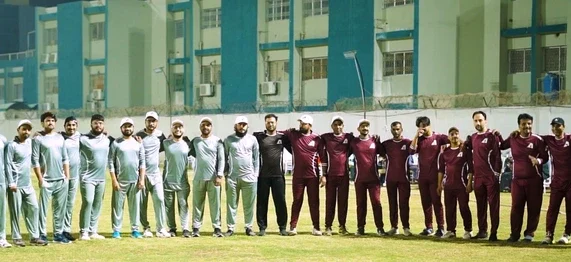
Planning a team-building event sounds fun… until you actually start planning it. Then it turns into questions like “what activities should we choose?” and “will employees even enjoy this?” The truth is, a good team-building event doesn’t need to be complicated; it just needs to be well thought out.
At MARCEM, we’ve seen one simple thing work every time: keep it real, keep it engaging, and focus on activities people actually enjoy and not complicate it. Let’s walk you through how to plan one properly.
Start With a Clear Goal
The greatest error organizers make is that they immediately go to the question of what activities are we going to do without answering the question, what are we trying to achieve?
Everything depends on your purpose: what kind of activities, where you plan to have them, how many people will be involved, and even what the tone of the event will be like.
These are the most generic goals and their implications for your planning:
Goal: Improve communication
Most suitable when a team has a silo-like working experience or faces a lot of miscommunication. Emphasize group games, during which individuals must communicate, bargain, and listen, escape rooms, strategy play, or problem-solving.
Goal: Boost morale and energy.
Most suitable when the team is exhausted or lacks interest. Keep it light-hearted, less stressful activities – relay races, games, music, good food, and a loose mood.
Target: Incorporate new team members.
Most suitable when the team is just growing or after hiring. Here, the icebreaker-heavy types are most effective, and the activities that assist individuals to get to know each other, their personalities, and their style of work are welcome.
Objective: Develop trust and cooperation.
Most suitable for high-pressure teams or when overcoming an internal conflict. Activities based on trust, such as group challenges, joint cooking experiences, and collaborative tasks, are effective.
Mission: Congratulatory on an accomplishment.
Best following a large project launch, a good quarter, or a good milestone. Make it enjoyable and reward- oriented – consider appreciation, recognition and fun, as opposed to formal challenges.
Write your objective and have it in view during the planning. Whenever you are not sure about the choice to make, revisit the goal.
Pick the Right Venue
If a venue cannot provide your employee with the energy, consider your goal achieved. The venue can make or break your event.
For game-based team building, outdoor locations work best:
- Farmhouses
- Resorts
- Open grounds or beaches
For indoor-based team building, these locations work best
- Arena (Gaming & Bowling)
- Escape Rooms
In cities like Karachi, outdoor setups are especially popular because they give enough space for proper activities.
Just make sure:
- There’s enough room for games
- Basic facilities are available
It’s easy for your team to reach.
Focus on Games That Actually Matter
Now comes the main part, choosing the right games.
Instead of random activities, go for games that naturally bring people together. Here are some team-building games commonly played in Asia that always work well:
Cricket Team Matches Against Team Members
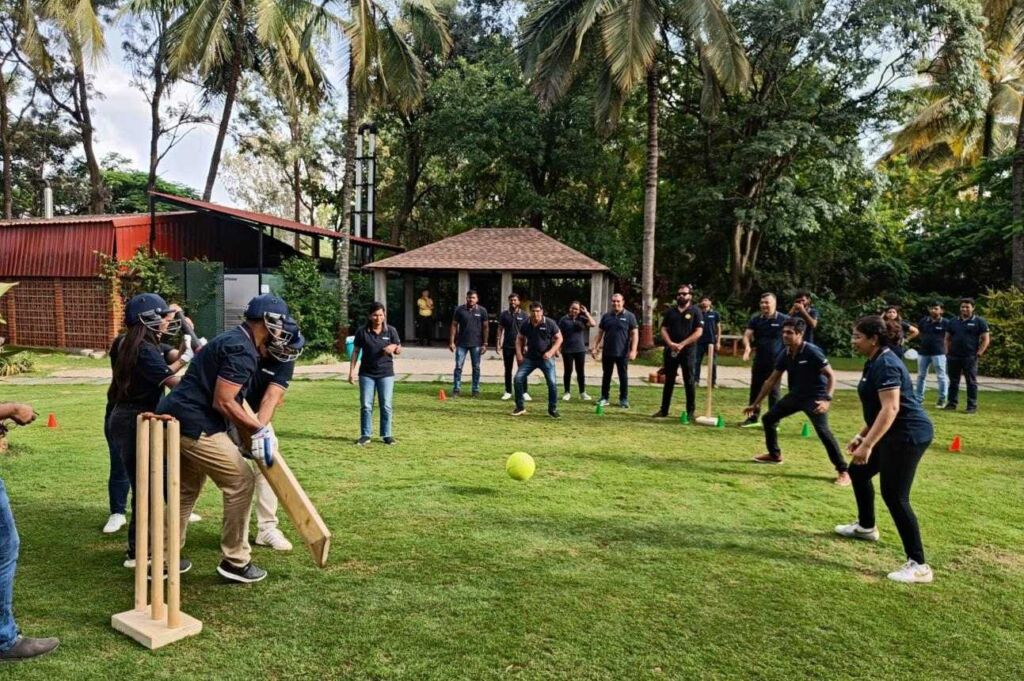
Cricket is a natural choice in Pakistan. You don’t need a full match, keep it short and fun.
- 10-over matches
- Mixed teams from different departments
- Fun rules to keep it light
It builds teamwork without feeling like a formal activity. Cricket is one of the few games that almost everyone loves in Pakistan, and it always works.
Kabaddi (Light & Fun Version)
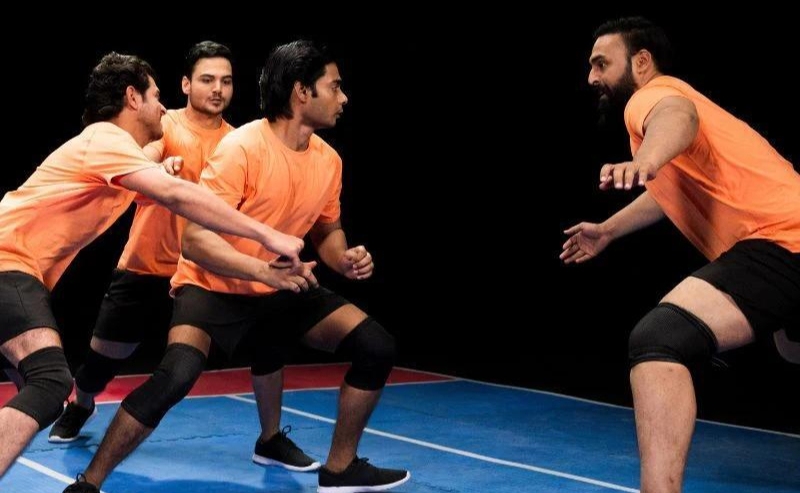
Kabaddi brings energy and excitement instantly.
You can make it safe and fun by:
- Reducing physical intensity
- Playing shorter rounds
- Keeping it friendly, not aggressive
It’s great for coordination and team strategy.
Tug of War
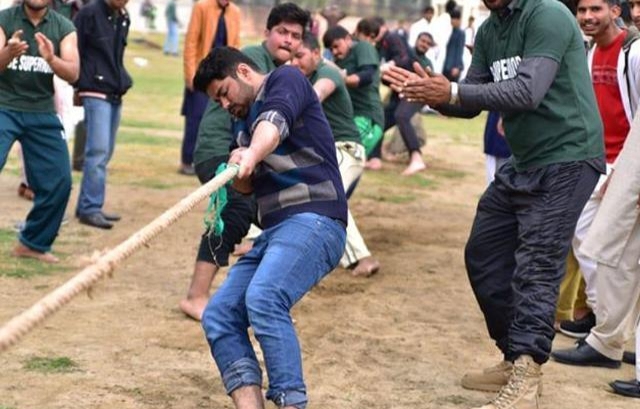
A classic that never fails.
It’s simple, quick, and gets everyone involved. Plus, it creates instant excitement and team spirit. It can also help you to experiment with their full strength, which improves productivity because it requires the brain to exert all the energy into the body for a short period of time.
Relay Races & Challenges
Relay races are perfect for breaking the ice.
Try:
- Sack races
- Three-legged races
- Obstacle challenges
These games are more fun than competition, and that’s exactly what people want.
Traditional Desi Games
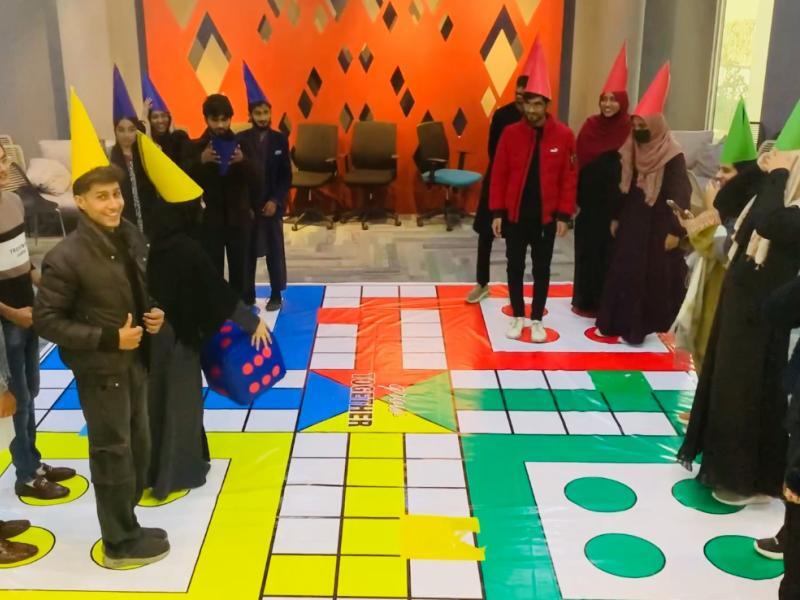
Not everyone is energetic enough to run around, and that’s fine. We’ve seen on multiple occasions when organizing team building events where some employees are just not into heavy and tiring games
To also cater to those team members. Set up a chill corner with:
- Ludo – A country favorite game
- Carrom – Easy and Skillful
- Pitthu Garam (Seven Stones)
These games are nostalgic, which never fails to get the team’s attention.
Keep Your Event Balanced
One common mistake is overloading the schedule.
At MARCEM, we’ve planned and managed 80+ team-building and bonding events, and we now understand what e
- 2–3 main games
- 1–2 light activities
- Enough breaks in between
Give people time to relax, talk, and enjoy. Team building is not just about playing — it’s about connecting.
Don’t Ignore Food
In Pakistan, food is a huge part of any event.
Keep it simple but enjoyable:
- BBQ setups
- Buffet with local favorites
- Snacks and drinks available
Good food keeps the energy up and gives people time to bond naturally.
Encourage Participation Naturally
You don’t want to force anyone into activities. Instead, create an environment where people want to join.
You can:
- Mix teams from different departments
- Add small prizes or giveaways
- Keep the vibe fun, not overly competitive
When people feel comfortable, participation happens on its own.
Pre-Event Planning Checklist
Prior to the actual day, there are things on your checklist that will help you avoid last-moment hassle,
These include:
• Your guest list and team sizes have been confirmed to ensure that everyone is included.
• All your game materials are available, from balls to mats and timers.
• You tour the venue beforehand for safety and accessibility.
• You have contingency plans, bad weather or other unforeseen circumstances arise.
• The Participants are aware of the program agenda and what they need to wear to the event.
Icebreaker Activities
Starting with light icebreakers help people warm up and feel comfortable. You can
try:
• Two Truths and a Lie – each person shares two truth and one lie about themselves; it’s fun and surprising.
•Name Games – quick activities that help people remember each other’s names.
•Team Puzzles or mine Challenges – simple tasks everyone can do together, which sparks conversation and laughs.
Icebreakers aren’t about competition – they’re about getting people to connect naturally before the main activities.
Safety and Accessibility Tips
Keeping your team safe guarantees everyone can have fun the day with ease. A few simple steps:
• Make sure games are on even ground to prevent accidents.
• Keep water and fresh drinks to stay hydrated.
• Offer alternative or lighter activities for anyone with physical limits.
• Have a first-aid kit and assign someone to handle issues.
When guest fell safe, they’re more likely to join in and enjoy themselves to the fullest.
End of a Positive Record
The way the event ends matters just as much how it starts.
Simple ideas:
- Give small prizes to winners
- Appreciate everyone’s effort
- Take group photos
These small things leave a lasting impression.
Conclusion
It does not require a large budget and intricate concepts to plan a team-building event. The only thing that counts is selecting the appropriate games and providing an environment in which the individuals can unwind and have fun.
At Marcem, we think the events are the finest when teams laugh, play, and bond together. When that occurs, you do not plan an event; you create a better team without having to push it.