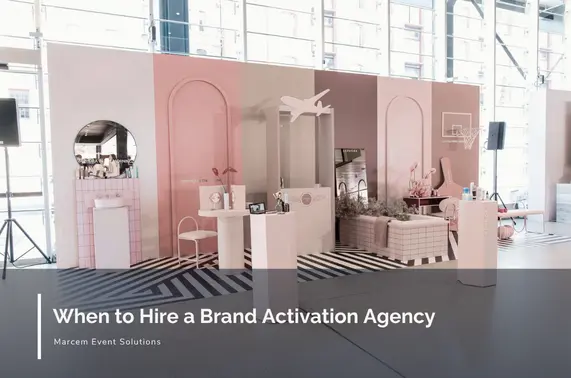
Most brands don’t struggle with visibility, they struggle with connection. You might be running ads, posting consistently, even getting impressions, yet the real question remains: are people actually engaging with your brand or just scrolling past it?
That gap between being seen and being remembered is where brand activation comes in. It’s not about pushing messages out; it’s about creating experiences that pull people in—moments that spark curiosity, interaction, and ultimately, action.
Timing plays a bigger role than most businesses realize. Hiring a best brand activation agency too late can mean missed opportunities, while doing it at the right stage can turn an average campaign into something people talk about, share, and respond to.
The real value isn’t just in creativity, it’s in strategy, execution, and measurable impact. Knowing when to bring in experts can be the difference between campaigns that look good and campaigns that actually perform.
What Is a Brand Activation Agency?
A brand activation agency focuses on turning your brand from something people recognize into something they actually experience. Instead of relying only on ads or visuals, it creates real interactions, whether that’s through live events, immersive campaigns, or digital experiences that invite participation.
At its core, brand activation is about engagement. It’s the difference between telling people your brand is great and giving them a reason to feel it for themselves.
Unlike traditional marketing, which often pushes messages to a broad audience, brand activation is designed to spark two-way interaction. It encourages people to connect, respond, and remember. This could look like a product sampling event, a pop-up experience, or a social campaign that gets people actively involved rather than passively watching.
There’s also a clear distinction between advertising and experiential marketing. Advertising builds awareness, while brand activation brings that awareness to life. One introduces the brand; the other makes it memorable.
A good brand activation agency doesn’t just execute ideas, it builds a strategy around your audience, your goals, and the kind of experience that will leave a lasting impression.
Why Brand Activation Matters?
Attention has become harder to earn and even harder to keep. People are exposed to thousands of marketing messages every day, and most of them are ignored within seconds. What cuts through the noise now isn’t just visibility, it’s experience.
Brand activation matters because it shifts the focus from passive consumption to active participation. Instead of asking people to watch, it invites them to engage. That interaction builds something traditional ads often can’t: a genuine connection.
Consumer behavior has also evolved. Audiences today are more selective, more aware, and more likely to trust brands they’ve personally interacted with. Whether it’s a live event, a product trial, or a digital experience, these moments create stronger recall and deeper emotional impact.

Another reason it matters is the rise of shareable experiences. When people engage with something memorable, they talk about it, online and offline. A well-executed activation can extend far beyond its original audience through social sharing, word-of-mouth, and user-generated content.
There’s also a performance angle. Businesses are no longer satisfied with campaigns that just “look good.” They want measurable outcomes leads, conversions, and real ROI. Brand activation bridges that gap by combining creativity with strategy, making campaigns both engaging and results-driven.
In a landscape where trust, attention, and engagement are limited resources, brand activation isn’t just a marketing add-on, it’s becoming essential.
Key Signs It’s Time to Hire a Brand Activation Agency
Not every business needs a brand activation agency from day one. But there are clear moments when handling everything in-house starts to limit your growth. Recognizing these signs early can save time, budget, and missed opportunities.
Low Customer Engagement
You’re posting content, running ads, maybe even getting decent reach but interactions are minimal. Likes, comments, shares, and conversions just aren’t where they should be. This usually means your audience isn’t feeling connected, and a more experience-driven approach is needed.
Launching a New Product or Service
A launch without impact often gets lost in the noise. If you want people to notice, talk about, and try what you’re offering, you need more than announcements, you need buzz. Brand activation helps create that initial momentum and excitement.
Rebranding or Changing Market Position
When your brand is evolving, perception matters. Simply updating visuals or messaging isn’t enough. You need to reintroduce your brand in a way that people can experience and understand, making the transition more meaningful and memorable.
Declining Sales or Weak Brand Recall
If customers aren’t thinking about your brand when it matters, something is off. Declining performance often signals a disconnect between your brand and your audience. Activation campaigns help rebuild that connection through direct engagement.
Entering a New Market
Expanding into a new city or audience comes with its own challenges. What works in one market may not work in another. A brand activation agency brings local insights and creates campaigns that resonate culturally and socially.
Planning a Large Campaign or Event
Big campaigns require coordination, creativity, and flawless execution. Whether it’s a corporate event, product launch, or on-ground activation, managing everything internally can quickly become overwhelming. Agencies bring structure, resources, and expertise to handle it effectively.
Each of these situations points to the same underlying need: stronger, more meaningful engagement. When your current efforts aren’t delivering that, it’s usually the right time to bring in specialists.
What a Brand Activation Agency Actually Does?
Behind every successful activation is a mix of strategy, creativity, and precise execution. A brand activation agency doesn’t just “run events”—it builds experiences designed to achieve specific business outcomes.
The process usually starts with strategy. Before any ideas are developed, the agency looks at your goals, target audience, and market position. Whether the aim is awareness, engagement, or direct conversions, everything is mapped around clear objectives.
From there, it moves into creative concept development. This is where ideas take shape—campaign themes, interactive experiences, and messaging that resonates with your audience. The focus isn’t just on being creative, but on being memorable and relevant.
Execution is where many campaigns succeed or fail, and this is a major part of what agencies handle. From venue selection and logistics to staffing, production, and on-ground management, they ensure everything runs smoothly. You’re not left juggling vendors or troubleshooting issues at the last minute.
Modern activations also blend offline and online efforts. Agencies often integrate digital elements like social media amplification, influencer collaborations, and real-time content creation to extend the reach beyond the physical experience.
Finally, there’s performance tracking. A professional agency doesn’t leave you guessing about results. They measure engagement, leads, conversions, and overall impact, giving you clear insights into what worked and what can be improved.
At every stage, the goal is the same: create experiences that don’t just attract attention, but drive meaningful action.
Types of Brand Activation Campaigns
Not all activations look the same. The format you choose depends on your goals, audience, and the kind of experience you want to create. The strongest campaigns often combine multiple approaches to maximize impact.
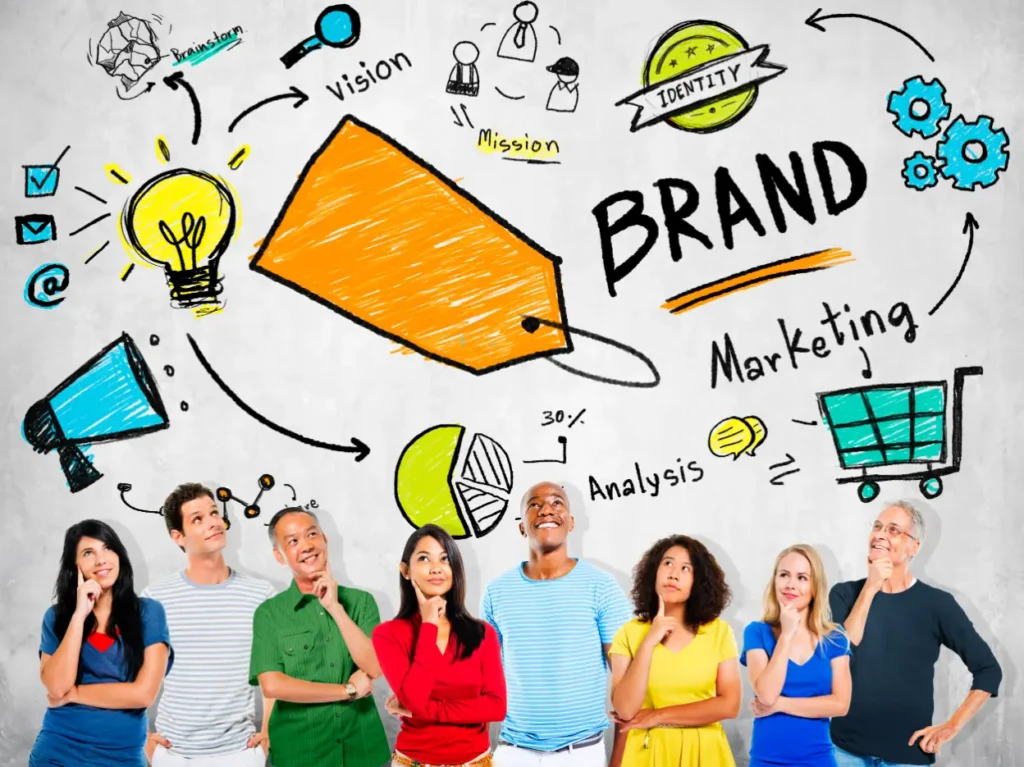
Experiential Marketing Campaigns
These are immersive experiences designed to engage people in a memorable way. Instead of simply seeing your brand, the audience interacts with it—through live setups, interactive installations, or hands-on activities that leave a lasting impression.
In-Store Activations
Perfect for retail environments, these campaigns aim to influence buying decisions at the point of sale. Product demos, live showcases, and limited-time experiences can turn casual visitors into paying customers.
Digital & Social Media Activations
Not all activations happen on the ground. Online campaigns—such as interactive contests, hashtag challenges, or AR experiences—encourage users to participate and share, extending your reach far beyond a physical location.
Product Sampling Campaigns
Sometimes the best way to convince people is to let them try the product. Sampling campaigns create direct interaction and help build trust quickly, especially for new or unfamiliar offerings.
Roadshows & On-Ground Activations
These campaigns take your brand directly to your audience across multiple locations. Ideal for reaching diverse markets, they create repeated exposure and consistent engagement in different areas.
Guerrilla Marketing Campaigns
These are unconventional, high-impact ideas designed to surprise and capture attention in unexpected ways. When done right, they generate strong word-of-mouth and social buzz without requiring massive budgets.
Choosing the right type isn’t about following trends—it’s about aligning the experience with your audience and objectives. The more relevant and engaging the format, the stronger the results.
Benefits of Hiring a Brand Activation Agency
Running a campaign internally might seem manageable at first, but as expectations grow, so does the complexity. Better marketing activation services provider brings structure, expertise, and efficiency that’s hard to replicate in-house.
One of the biggest advantages is time and resource efficiency. Planning and executing an activation involves multiple moving parts—concept development, logistics, staffing, coordination. An agency handles all of this, allowing your team to stay focused on core business activities.
There’s also the benefit of creative expertise. Agencies work across industries and campaigns, which gives them a broader perspective on what captures attention and what doesn’t. Instead of relying on guesswork, you’re working with ideas that are built on experience and tested approaches.
Another key factor is audience targeting. A well-planned activation isn’t just creative—it’s strategic. Agencies understand how to tailor experiences to specific audience segments, making interactions more relevant and effective.
Execution quality is where agencies truly stand out. Even a strong idea can fail if it’s poorly executed. From setup to real-time management, agencies ensure that everything runs smoothly and professionally, minimizing risks and last-minute issues.
Then comes measurable impact. Businesses want results, not just visibility. Agencies track performance through data, engagement levels, leads generated, conversions, so you can clearly see the return on your investment.
Perhaps the most overlooked benefit is brand recall. When people actively engage with your brand, they’re far more likely to remember it. That memory often translates into trust, and eventually, into action.
What to Look For in a Brand Activation Agency
Not all agencies deliver the same level of impact. The difference often comes down to how well they understand your brand, your audience, and the outcome you’re aiming for. Choosing the right partner requires looking beyond surface-level promises.
Start with their portfolio and past campaigns. Real work tells you more than any pitch. Look for variety, creativity, and more importantly, results. If their previous activations show strong engagement and clear execution, that’s a good sign they know what they’re doing.
Industry experience also matters, but not in the way most people think. It’s not just about working in your niche, it’s about understanding different audiences and adapting strategies accordingly. An agency that has handled diverse campaigns often brings more flexible and innovative ideas.
Creativity is essential, but it should come with purpose. The right agency balances innovation with strategy. Flashy ideas might grab attention, but without a clear objective, they rarely deliver results. You want concepts that are both engaging and aligned with your goals.
If your focus is a specific region, local market understanding becomes a major advantage. Audience behavior, cultural nuances, and location-specific trends all influence how a campaign performs. An agency familiar with your target market can tailor experiences that feel relevant rather than generic.
Transparency is another key factor. From the start, there should be clarity around pricing, timelines, and deliverables. Vague commitments often lead to confusion later. A professional agency sets clear expectations and communicates openly throughout the process.
Finally, pay attention to how they approach measurement and reporting. A reliable agency will define success metrics upfront and show you how performance will be tracked. This ensures you’re not just investing in activity, but in outcomes you can evaluate.
Common Mistakes to Avoid
Even with the right intentions, many businesses end up with underperforming campaigns because of a few avoidable missteps. Being aware of these early can save both budget and momentum.
One of the most common mistakes is choosing an agency based on price alone. Lower costs can be tempting, but they often come at the expense of strategy, creativity, or execution quality. A poorly executed activation doesn’t just waste money—it can weaken your brand perception.
Another issue is jumping into execution without a clear strategy. Exciting ideas might look impressive on the surface, but without defined goals, they rarely deliver meaningful results. Every activation should be tied to a purpose, whether it’s generating leads, increasing engagement, or building awareness.
Many businesses also overlook the importance of setting measurable objectives. If you don’t define what success looks like, it becomes difficult to evaluate performance. This leads to campaigns that feel busy but don’t actually move the needle.
There’s also a tendency to ignore the target audience. Not every creative idea resonates with every group. When campaigns aren’t aligned with audience preferences, they struggle to create real engagement, no matter how visually appealing they are.
Another mistake is underestimating execution complexity. Activations involve logistics, coordination, timing, and real-time problem-solving. Trying to manage everything without proper expertise often results in delays, inconsistencies, or missed opportunities.
Finally, many brands fail to track and learn from performance data. Without analyzing results, it’s impossible to understand what worked and what didn’t. Each campaign should provide insights that improve the next one.
Avoiding these mistakes isn’t just about preventing failure, it’s about setting your campaigns up for stronger, more consistent results.
How Much Does a Brand Activation Agency Cost?
There’s no fixed price for brand activation, it varies based on what you want to achieve and how масштаб your campaign is. Treat it less like a one-size service and more like a tailored investment.
Several factors influence the overall cost. The scale of the campaign is usually the biggest one. A small in-store activation will naturally cost far less than a multi-city roadshow or a large experiential event.
Location also plays a role. Activations in high-traffic or premium venues tend to be more expensive due to space, permits, and operational requirements. Expanding across multiple cities increases logistics, staffing, and coordination costs.
The duration of the campaign matters as well. A one-day event is relatively straightforward, while a week-long or ongoing activation requires more resources, planning, and management.
Another factor is the level of creativity and technology involved. Basic setups are more budget-friendly, but campaigns that include interactive installations, digital integrations, or custom-built experiences require a higher investment.
You’ll also need to consider staffing, production, and promotional support, from brand ambassadors and event teams to content creation and social media amplification.
Because of these variables, pricing can range widely, from modest budgets for small activations to significant investments for large-scale campaigns. The key is to align your budget with your objectives rather than aiming for the lowest possible cost.
The most effective approach is to view brand activation as a return-driven investment. When executed well, it doesn’t just create engagement, it generates leads, strengthens brand recall, and contributes directly to business growth.
Quick Checklist Before Hiring
Before bringing a brand activation agency on board, a little clarity on your end can make a big difference in how smoothly the process goes—and how strong the results are.
Start by defining your core objective. Are you aiming to build awareness, generate leads, launch a product, or increase engagement? A clear goal helps shape the entire campaign and ensures everyone is aligned from the beginning.
Next, set a realistic budget range. You don’t need exact numbers, but having a clear idea of what you’re willing to invest helps agencies propose solutions that fit your expectations without unnecessary back-and-forth.
Understanding your target audience is equally important. The more specific you are about who you want to reach, the easier it becomes to design an experience that actually resonates.
It’s also helpful to gather internal inputs, brand guidelines, past campaign insights, and any ideas you already have. This gives the agency a stronger starting point and reduces time spent on revisions.
Before making a final decision, ask for a detailed proposal. This should include the concept, execution plan, timeline, and expected outcomes. It gives you a clear picture of how the campaign will unfold.
Lastly, ensure there’s alignment on communication and reporting. Knowing how updates will be shared and how performance will be measured avoids confusion later on.
A well-prepared start doesn’t just save time, it sets the foundation for a campaign that’s focused, efficient, and results-driven.
Conclusion
Hiring a brand activation agency isn’t just about outsourcing execution—it’s about making your brand more tangible, more engaging, and more memorable. At the right time, it can transform how people experience your business and how they respond to it.
The difference often comes down to timing and intent. When engagement is low, launches need impact, or your brand starts blending into the background, activation becomes less of an option and more of a necessity. It brings your message to life in a way that traditional marketing alone rarely achieves.
What makes it truly valuable is the combination of strategy, creativity, and measurable results. It’s not just about creating moments, it’s about creating moments that lead to action, recall, and long-term growth.
Brands that invest in meaningful experiences don’t just capture attention, they hold it. And in a crowded market, that’s what sets them apart.
FAQs About Brand Activation Agency?
What does a brand activation agency do?
A brand activation agency creates campaigns that encourage direct interaction between a brand and its audience. This includes planning, executing, and measuring experiences designed to boost engagement and conversions.
When should I hire a brand activation agency?
You should consider hiring one when launching a new product, entering a new market, facing low engagement, or planning a large-scale campaign that requires expert execution.
How much do brand activation services cost?
Costs vary depending on campaign size, location, duration, and complexity. Smaller activations require less investment, while large experiential campaigns involve higher budgets.
Are brand activations effective for small businesses?
Yes, when planned correctly, even small-scale activations can create strong local engagement, build trust, and drive conversions without requiring massive budgets.
What is the difference between branding and brand activation?
Branding focuses on building identity and perception, while brand activation brings that identity to life through real experiences and interactions.
How do you measure the success of a brand activation campaign?
Success is measured through engagement metrics, leads generated, customer interactions, social sharing, and overall return on investment.