In an increasingly competitive marketplace, brands can no longer rely solely on traditional advertising to capture attention and build loyalty. Consumers are exposed to thousands of promotional messages daily, making it harder for businesses to stand out through conventional marketing alone. This is where brand activation has become a powerful strategy for turning awareness into meaningful customer engagement.
Brand activation goes beyond simply promoting a product or service. It focuses on creating experiences that encourage audiences to interact with a brand, form emotional connections, and take action. Whether through live events, experiential campaigns, digital engagement, product sampling, or interactive promotions, activation transforms passive audiences into active participants.
From global corporations to emerging startups, businesses are investing in best brand activation agency to launch products, increase visibility, generate leads, and strengthen customer relationships. As a result, the demand for specialized brand activation agencies and experienced brand activation companies continues to grow.
This guide explores everything you need to know, including brand activation meaning, creative brand activation ideas, proven brand activation examples, successful brand activation campaign examples, and how brand activation events can deliver measurable business impact.
If your goal is to understand how activation works or find the right strategy to grow your brand, this guide will help you get there.
Brand Activation Meaning: What Is Brand Activation?
At its core, brand activation refers to the process of bringing a brand to life through experiences, interactions, and campaigns designed to engage consumers and drive action.
Rather than simply telling people about a brand, activation focuses on getting people to experience it.
A simple way to define brand activation meaning is:
Brand activation is a marketing strategy that creates direct engagement between a brand and its audience to build awareness, generate interest, and inspire action.
That action may include:
- Making a purchase
- Trying a product
- Attending an event
- Sharing content on social media
- Signing up for a service
- Building long-term brand loyalty
In some regions, people search for brand activation adalah, which essentially refers to the same concept — activating a brand through strategic campaigns that make it more visible, engaging, and memorable.
Brand Activation vs Branding: What’s the Difference?
Many people confuse branding and brand activation, but they serve different purposes.
Branding
Branding defines who you are.
It includes:
- Brand identity
- Logo and visual design
- Messaging
- Positioning
- Brand voice
- Values
Branding creates recognition.
Brand Activation
Brand activation makes people interact with that brand.
It includes:
- Live experiences
- Promotional campaigns
- Product launches
- Consumer engagement events
- Experiential marketing activities
Activation creates participation.
A brand may have excellent branding, but without activation, audiences may never engage with it in a meaningful way.
Why Brand Activation Matters Today?
Modern consumers want experiences, not just advertisements.
They want to:
- Interact
- Participate
- Discover
- Share
- Connect
That shift is why brand activation campaigns have become central to modern marketing strategies.
Instead of saying:
“Our product is great.”
Activation shows people why it is great through experience.
For example:
A beverage ad tells you the drink is refreshing.
A brand activation campaign gives you a live tasting experience, an interactive event, and a social sharing moment that makes you remember it.
That difference is powerful.
Core Goal of Brand Activation
Every successful activation is designed to move consumers from awareness to action.
The journey typically looks like this:
Awareness → Engagement → Experience → Action → Loyalty
- That progression is what makes activation so effective.
- It does not just attract attention.
- It creates results.
Common Forms of Brand Activation
Brand activation can take many forms, including:
Experiential Activations
Interactive experiences where customers engage directly with a brand.
Example:
Pop-up experiences or immersive installations.
Product Sampling
Allowing audiences to try products firsthand.
Example:
Food tastings in malls or retail stores.
Promotional Activations
Campaigns designed to generate excitement and immediate response.
Example:
Limited-time giveaways or contests.
Digital Activations
Online engagement campaigns.
Example:
Interactive social campaigns or augmented reality experiences.
Brand Activation Events
Live events created to connect brands with audiences.
Example:
Product launches, roadshows, trade exhibitions, and experiential events.
These approaches are why brand activation events remain one of the strongest drivers of engagement.
Why Businesses Invest in Brand Activation Services?
Businesses use brand activation services because they help deliver outcomes that traditional advertising often cannot.
They help brands:
- Increase consumer engagement
- Generate qualified leads
- Drive product awareness
- Improve brand recall
- Encourage product trial
- Build stronger customer relationships
That is why companies increasingly partner with a brand activation agency to design and execute campaigns professionally.
Real-World Brand Activation Examples
Some of the best-known campaigns in marketing are actually brand activation examples.
Think about:
- Interactive pop-ups
- Immersive product launches
- Experiential roadshows
- Consumer engagement events
- Social-driven activation campaigns
These campaigns work because they invite participation rather than passive viewing.
- And participation builds memory.
- Memory builds loyalty.
- Loyalty builds growth.
Final Thoughts on Brand Activation Meaning
If branding creates identity, brand activation creates interaction.
It transforms a brand from something people recognize into something they experience.
That is why activation has become one of the most powerful strategies in modern marketing.
Whether through creative brand activation ideas, strategic brand activation services, or large-scale brand activation events, the goal remains the same:
Turn audiences into engaged customers.
Why Brand Activation Matters for Business Growth?
In today’s crowded marketplace, attracting attention is only the first step. The real challenge is turning that attention into engagement, conversions, and long-term customer loyalty. This is exactly why brand activation plays a critical role in business growth.
Unlike traditional marketing, which often focuses only on visibility, brand activation is designed to generate interaction. It creates meaningful experiences that influence how people perceive, remember, and respond to a brand.
For businesses looking to strengthen market presence, increase customer engagement, and drive measurable results, investing in brand activation services is no longer optional — it is a strategic advantage.
Brand Activation Creates Real Consumer Engagement
One of the biggest reasons businesses use activation is because engagement drives results.
Consumers are far more likely to remember a brand they interacted with than one they only saw in an advertisement.
When people:
- Participate in an activation
- Attend a branded event
- Try a product
- Experience an interactive campaign
- Engage with a promotional experience
They form stronger connections with the brand.
This is where brand activation events and experiential campaigns outperform traditional awareness campaigns.
They do not just communicate.
They involve.
And involvement creates impact.
Brand Activation Increases Brand Recall
Brand recall is one of the strongest indicators of effective marketing.
If customers remember your brand when they are ready to buy, your chances of conversion increase dramatically.
This is where strong brand activation ideas make a difference.
Interactive experiences tend to be more memorable because they engage multiple senses.
People may forget an ad.
They rarely forget an experience.
That is why many successful brand activation campaign examples are designed around memorable experiences rather than promotional messages alone.
Brand Activation Helps Drive Product Trials
For new product launches, one of the biggest barriers is hesitation.
Consumers may not buy something unfamiliar without trying it first.
Activation removes that barrier.
Through:
- Sampling campaigns
- Demonstrations
- Live experiences
- Product trials
- Experiential promotions
Brands can reduce resistance and encourage trial.
This is one reason brand activation companies are often hired for product introductions.
They help transform curiosity into action.
Brand Activation Generates Qualified Leads
Another major growth benefit of activation is lead generation.
A well-executed activation does more than entertain audiences.
It captures interest.
Through registrations, interactions, surveys, digital signups, and event participation, activations can generate highly qualified prospects.
This makes brand activation services valuable not only for awareness but also for performance-driven campaigns.
The right activation can support both branding and sales.
Brand Activation Strengthens Customer Loyalty
Growth is not only about acquiring customers.
It is also about keeping them.
Strong activation campaigns help deepen relationships with existing customers by giving them memorable experiences with the brand.
This can increase:
- Retention
- Repeat purchases
- Advocacy
- Referrals
- Brand loyalty
This is why many brand activation examples focus not just on attracting new audiences, but also on strengthening relationships with current customers.
Brand Activation Supports Faster Market Penetration
For growing businesses entering competitive markets, visibility alone is often not enough.
You need momentum.
Activation can help brands create immediate presence in a market through high-impact campaigns and strategic engagement.
This is especially valuable for:
- New market entries
- Product launches
- Seasonal campaigns
- Retail promotions
- Regional expansion strategies
A strong brand activation agency can often accelerate market traction faster than traditional campaigns alone.
Brand Activation Improves ROI Compared to Passive Advertising
One major reason businesses increasingly invest in activation is return on investment.
Because activation can often be tracked through:
- Leads generated
- Engagement rates
- Product trials
- Event attendance
- Conversions
- Sales lift
It can be easier to measure impact.
That is why businesses often see brand activation services as performance marketing, not just promotional activity.
Why Businesses Partner With a Brand Activation Agency?
Executing successful activations requires strategy, creativity, logistics, and flawless execution.
That is why businesses often work with a professional brand activation agency rather than managing campaigns internally.
An experienced agency can help with:
- Campaign concept development
- Audience targeting
- Creative production
- Event execution
- Consumer engagement strategies
- Performance measurement
This is where expert brand activation companies create value.
They do not simply run events.
They create strategic growth opportunities.
Brand Activation Drives Both Short-Term and Long-Term Growth
One of the strongest advantages of activation is that it delivers both immediate and lasting value.
Short-term benefits:
- Sales boosts
- Lead generation
- Product awareness
- Consumer engagement
Long-term benefits:
- Brand equity
- Customer loyalty
- Market positioning
- Stronger brand perception
Few marketing approaches can achieve both as effectively as well-executed activation.
Final Thoughts
- If branding builds recognition, brand activation drives response.
- It turns passive audiences into active participants.
- It transforms awareness into engagement.
- And it converts engagement into business growth.
- In a market where attention is scarce, engagement wins.
- And activation creates engagement.
That is why brands across industries continue investing in creative brand activation ideas, specialized brand activation services, strategic brand activation events, and experienced brand activation agencies to stay competitive.
Top Brand Activation Ideas That Work
One of the biggest reasons businesses invest in brand activation is flexibility. There is no single formula for success. The best campaigns are often built around creative concepts designed to match audience behavior, business objectives, and market trends.
Whether your goal is to launch a product, boost engagement, generate leads, or create brand awareness, the right brand activation ideas can turn ordinary marketing into memorable experiences.
Below are some of the most effective activation ideas brands continue using to deliver real results.
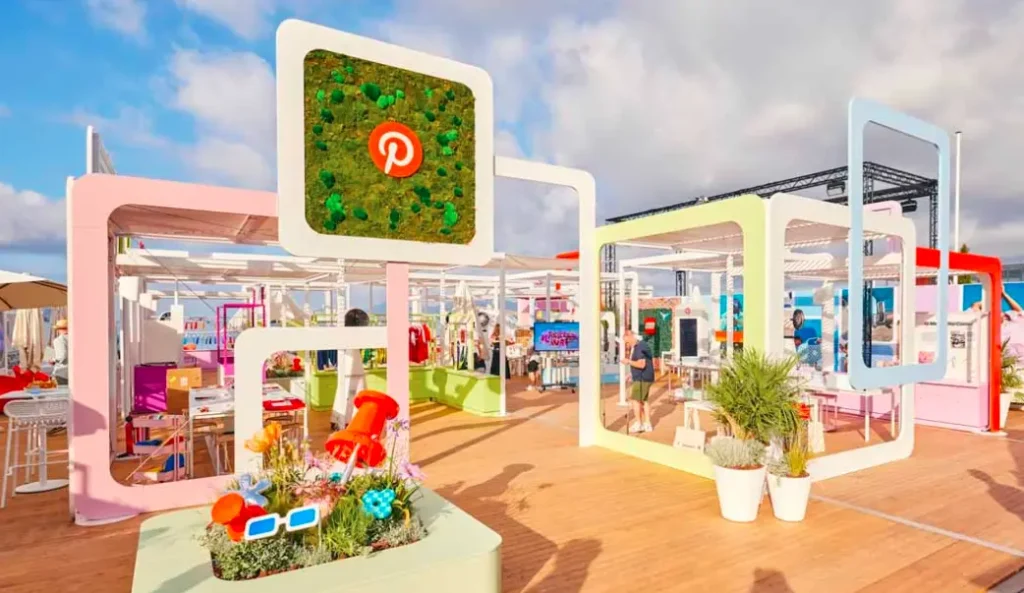
Experiential Pop-Up Activations
Pop-up activations create temporary branded experiences designed to attract audiences, generate excitement, and encourage interaction.
Unlike traditional promotions, pop-ups give people something to experience.
They can include:
- Interactive brand installations
- Temporary branded spaces
- Product showcase experiences
- Immersive themed environments
- Consumer engagement zones
These campaigns are often used in shopping malls, commercial districts, exhibitions, and high-footfall venues.
Many successful brand activation examples have used pop-up experiences because they generate curiosity and social sharing.
When done well, they create both physical engagement and digital buzz.
Product Sampling Campaigns
Sampling remains one of the most effective brand activation ideas because it removes barriers to trial.
People are far more likely to consider buying a product they have already experienced.
Sampling activations can include:
- Food and beverage tastings
- Cosmetic trials
- Product demonstrations
- In-store trial stations
- Mobile sampling roadshows
This is why many brand activation companies use sampling for product launches and awareness campaigns.
It creates direct consumer interaction while driving trial and feedback.
Interactive Digital Activations
Digital experiences have become a major part of modern brand activation services.
Interactive digital campaigns allow brands to engage audiences beyond physical events.
Popular digital activation ideas include:
Augmented Reality Experiences
Branded AR filters, virtual try-ons, or interactive experiences.
Gamified Activations
Challenges, rewards, or interactive digital contests.
QR-Based Engagement Campaigns
Consumers scan and interact with digital brand experiences.
User-Generated Content Campaigns
Encouraging audiences to create and share branded content.
Many recent brand activation campaign examples have combined digital and physical elements to increase reach.
Hybrid activations are becoming increasingly effective.
Social Media Challenge Activations
Social-led campaigns can generate massive organic reach when executed well.
A strong challenge can turn customers into brand promoters.
Examples include:
- Hashtag campaigns
- Viral participation challenges
- Community-driven contests
- Interactive engagement campaigns
- Social participation mechanics
These campaigns work because they encourage participation at scale.
And participation drives visibility.
That is why they remain one of the most cost-effective brand activation ideas available.
Guerrilla Marketing Activations
Guerrilla activations use unconventional tactics to surprise audiences and create strong impact.
They often focus on creativity rather than large budgets.
Examples may include:
- Street-level installations
- Unexpected public interactions
- Ambient brand experiences
- Surprise engagement moments
- Creative outdoor activations
Some of the most memorable brand activation examples in marketing have come from guerrilla-style campaigns.
They work because they disrupt expectations.
And disruption captures attention.
Influencer-Led Brand Activations
Influencer partnerships have evolved far beyond simple endorsements.
Today, many brands use creators as part of full-scale activation campaigns.
This can include:
- Influencer-hosted events
- Live activation appearances
- Co-created brand experiences
- Community engagement campaigns
- Social amplification during activations
Many brand activation agencies now integrate influencer strategy into campaign planning because it expands reach and credibility.
Immersive Brand Activation Events
Live experiences remain among the strongest brand activation events for audience engagement.
Event-based activations can include:
Product Launch Activations
Generating excitement around a launch.
Roadshows
Taking the brand directly to audiences.
Festival Activations
Engaging consumers within high-energy environments.
Retail Activations
Driving engagement inside stores or malls.
Corporate Brand Activations
Used for B2B engagement, conferences, and business events.
These are often where brand activation services deliver the strongest emotional impact.
Experiences create memory.
Memory drives loyalty.
Community-Based Brand Activations
Another increasingly effective approach is community-driven activation.
These campaigns focus on participation around shared interests, causes, or local engagement.
Examples:
- Cause-led activations
- Community outreach campaigns
- Local engagement programs
- Brand-led workshops
- Educational experiences
These activations often strengthen trust while building brand affinity.
That is why many emerging brand activation companies are expanding into purpose-driven campaigns.
Hybrid Activations: Combining Online and Offline Engagement
One of the strongest strategies today is combining physical and digital engagement into a hybrid activation.
Example:
- Live event experience
- Social media amplification
- Digital participation component
- User-generated content campaign
- Post-event remarketing
This integrated approach is increasingly common in modern brand activation campaign examples because it expands both reach and measurable impact.
How to Choose the Right Brand Activation Idea?
The best idea is not always the most complex.
It is the one aligned with your goals.
Consider:
If your goal is awareness:
Use pop-ups, guerrilla activations, or experiential events.
If your goal is product trial:
Use sampling campaigns.
If your goal is engagement:
Use digital or social activations.
If your goal is lead generation:
Use interactive events with data capture.
If your goal is loyalty:
Use community-driven or experiential campaigns.
A strong brand activation agency can help match ideas to objectives.
Final Thoughts
The best brand activation ideas do not simply promote a brand.
They create experiences people want to engage with.
From sampling campaigns and pop-ups to digital activations and immersive brand activation events, the right idea can transform audience attention into action.
That is why the strongest brand activation examples are not built around advertising alone.
They are built around participation.
And participation is what makes activation powerful.
Brand Activation Services: What Agencies Typically Offer
Businesses often understand the value of brand activation, but many are less clear about what professional brand activation services actually include.
A successful activation campaign involves far more than organizing an event or launching a promotion. It requires strategy, creativity, logistics, audience engagement, execution, and performance measurement.
This is where experienced brand activation agencies and specialized brand activation companies add value.
They do not simply run campaigns.
They build engagement-driven experiences designed to generate results.
Below are the core services typically offered.
Brand Activation Strategy Development
Every effective activation begins with strategy.
Before execution, agencies define the campaign foundation.
This often includes:
- Campaign objectives
- Audience profiling
- Consumer behavior analysis
- Activation concept development
- Channel planning
- Engagement strategy
Without strategy, even creative brand activation ideas can fail to deliver impact.
This is why planning is often one of the most important brand activation services provided.
Campaign Concept and Creative Development
Once objectives are defined, agencies develop the creative concept behind the activation.
This includes turning strategy into an engaging campaign idea.
Services may include:
- Campaign theme development
- Creative activation concepts
- Experience design
- Engagement mechanics
- Messaging development
- Visual branding elements
This is often where strong brand activation campaign examples begin.
Great campaigns are rarely accidental.
They are designed.
Experiential Marketing and Event Production
One of the most recognized brand activation services is live event execution.
This includes planning and producing brand activation events such as:
Product Launch Events
Designed to create buzz and audience excitement.
Roadshows
Mobile activations that take the brand directly to audiences.
Retail Activations
In-store and mall-based consumer engagement experiences.
Festival Activations
Branded experiences integrated into large-scale events.
Corporate Activations
Brand engagement within conferences, exhibitions, or B2B events.
This is often where a brand activation agency manages everything from concept to on-ground execution.
On-Ground Promotional Activations
Many brand activation companies also manage field and promotional activities designed for direct audience engagement.
This may include:
- Product sampling
- Consumer promotions
- Demonstrations
- In-person engagement teams
- Promotional staffing
- Brand ambassador programs
These services are particularly common in retail, FMCG, telecom, and consumer product sectors.
And they remain some of the most effective brand activation examples for driving trial.
Consumer Engagement Activities
Strong activations are built around participation.
That is why agencies often design engagement mechanics specifically to increase audience involvement.
This can include:
- Interactive experiences
- Participation challenges
- Gamified activations
- Audience competitions
- Social engagement mechanics
- Experiential touchpoints
This is where many creative brand activation ideas become memorable experiences.
Digital Brand Activation Services
Modern activations often extend beyond physical events.
Many agencies now offer digital and hybrid brand activation services, including:
- Social media activations
- Interactive digital campaigns
- User-generated content campaigns
- AR and virtual experiences
- Influencer-driven activations
- Hybrid online-offline campaigns
This has become increasingly important as many recent brand activation campaign examples now combine digital and experiential elements.
Brand Activation Logistics and Production Management
Execution is where many campaigns succeed or fail.
That is why agencies often manage the operational side of activation, including:
- Venue coordination
- Fabrication and setup
- Technical production
- Staffing coordination
- Permissions and compliance
- On-site management
This operational support is one reason businesses work with specialized brand activation companies instead of managing activations internally.
Data Capture and Lead Generation Services
Many modern activations are designed not only for engagement, but also for measurable outcomes.
Agencies often support:
- Lead capture systems
- Registration mechanisms
- Consumer data collection
- Engagement tracking
- Audience insights gathering
This turns activation into both a branding and performance tool.
And it makes brand activation services valuable for ROI-driven campaigns.
Campaign Measurement and ROI Reporting
One of the most valuable services agencies provide is performance analysis.
This can include measuring:
- Audience reach
- Engagement levels
- Leads generated
- Product trials
- Sales impact
- Event participation
- Brand sentiment
- Return on investment
- Execution matters.
- But measurable outcomes matter more.
This is especially important for businesses evaluating different brand activation companies.
Custom Brand Activation Solutions
Not all campaigns fit standard formats.
That is why many agencies offer custom solutions based on industry, audience, and objectives.
Custom brand activation services may be designed for:
- Retail brands
- Consumer products
- Corporate brands
- Luxury brands
- Startups
- Large-scale enterprises
A strong brand activation agency adapts strategy rather than forcing every campaign into the same model.
Why Businesses Use Professional Brand Activation Services?
Businesses often choose specialized agencies because activation requires multiple capabilities at once.
It combines:
- Strategy
- Creativity
- Production
- Engagement
- Logistics
- Measurement
Very few businesses can manage all of that internally at scale.
That is why demand for experienced brand activation companies continues to grow.
Final Thoughts
Effective brand activation services go far beyond organizing promotional events.
They combine strategy, creativity, execution, and performance to help brands create real engagement.
From campaign planning and experiential production to digital engagement and brand activation events, agencies help transform ideas into measurable business outcomes.
That is why working with the right brand activation agency can often be the difference between a campaign people notice…
And a campaign people remember.
What Does a Brand Activation Agency Do?
As brands compete for attention in increasingly crowded markets, many businesses turn to a professional brand activation agency to create campaigns that go beyond traditional marketing.
But what exactly does a brand activation agency do?
In simple terms, a brand activation agency helps businesses plan, develop, execute, and manage engagement-driven campaigns designed to connect brands with audiences and drive action.
Whether through experiential campaigns, promotional activations, digital engagement, or large-scale brand activation events, agencies turn ideas into measurable experiences.
They do not just promote brands.
They activate them.
A Brand Activation Agency Builds Campaign Strategy
The first role of a brand activation agency is strategy.
Before designing any campaign, agencies typically define:
- Business goals
- Campaign objectives
- Audience segments
- Consumer behavior insights
- Activation channels
- Engagement strategy
This strategic planning helps ensure the campaign is aligned with outcomes, not just creative execution.
Many strong brand activation campaign examples begin with a well-developed strategy long before the campaign goes live.
A Brand Activation Agency Develops Creative Concepts
Once strategy is in place, agencies create the campaign idea.
This includes developing the concept that turns objectives into audience engagement.
This may involve:
- Creative campaign themes
- Experiential concepts
- Promotional mechanics
- Interactive engagement ideas
- Event concepts
- Digital activation concepts
This is often where innovative brand activation ideas are developed.
The best agencies do not simply execute briefs.
They help shape stronger ideas.
A Brand Activation Agency Manages Execution
Execution is one of the biggest reasons businesses hire an agency.
A campaign idea only works if it is delivered properly.
Agencies often manage:
- Activation production
- Staffing
- Venue setup
- On-ground operations
- Technical coordination
- Promotional logistics
- Event delivery
This is particularly important for large-scale brand activation events, where execution quality directly impacts results.
A Brand Activation Agency Creates Consumer Engagement
At the center of activation is audience interaction.
A major role of a brand activation agency is designing how people participate.
This can include:
- Product experiences
- Interactive touchpoints
- Sampling programs
- Engagement mechanics
- Participation-driven campaigns
- Experiential consumer journeys
This is what separates activation from ordinary promotion.
It is not just about exposure.
It is about involvement.
A Brand Activation Agency Executes Brand Activation Events
Many businesses hire agencies specifically for brand activation events.
These may include:
Product Launch Activations
Generating attention around new products or services.
Roadshows
Taking the brand directly to multiple audiences.
Retail Activations
Driving in-store or mall-based engagement.
Festival Activations
Creating experiences inside high-energy public events.
Corporate Brand Activations
Used for conferences, exhibitions, and B2B engagement.
This is why many businesses associate brand activation companies closely with event-led engagement.
A Brand Activation Agency Integrates Digital and Experiential Campaigns
Modern agencies often combine physical and digital engagement.
Today, many brand activation services include:
- Social media activations
- Influencer-led campaigns
- Hybrid activations
- Interactive digital engagement
- User-generated content strategies
- Digital amplification for live campaigns
This is increasingly common in modern brand activation examples, where campaigns exist both on-ground and online.
A Brand Activation Agency Measures Campaign Performance
Strong agencies do not stop at execution.
They measure outcomes.
This may include tracking:
- Engagement levels
- Leads captured
- Audience participation
- Product trials
- Social reach
- Sales impact
- ROI
This performance focus is one reason businesses often prefer experienced brand activation companies over general event vendors.
They are focused on outcomes.
Not just activity.
How a Brand Activation Agency Differs From an Event Planner?
- This is an important distinction.
- An event planner manages events.
- A brand activation agency builds strategic engagement campaigns.
An event planner may focus on:
- Logistics
- Venue management
- Event coordination
A brand activation agency focuses on:
- Consumer engagement
- Campaign objectives
- Brand interaction
- Activation strategy
- Measurable outcomes
There can be overlap.
But they are not the same.
How to Choose the Right Brand Activation Agency?
Not all agencies offer the same expertise.
When evaluating a brand activation agency, businesses often look for:
Relevant Experience
Have they delivered similar campaigns before?
Creative Capability
Can they develop strong activation concepts?
Execution Strength
Can they manage production effectively?
Measurement Focus
Do they track performance and ROI?
Proven Brand Activation Examples
Do they have strong campaign case studies?
These factors often separate average vendors from strong brand activation companies.
Why Businesses Work With Brand Activation Companies?
Businesses often partner with agencies because activation requires multiple capabilities at once.
It combines:
- Strategy
- Creativity
- Production
- Audience engagement
- Logistics
- Measurement
That is difficult to manage internally.
This is why demand for specialized brand activation services continues to rise.
Final Thoughts
- A brand activation agency does far more than organize promotional campaigns.
- It helps brands develop strategy, create engagement ideas, execute experiences, manage brand activation events, and measure impact.
- And participation is where real activation begins.
- That is why the right agency does not simply help you run campaigns.
- It helps you create experiences people remember.
From developing creative brand activation ideas to delivering results-driven campaigns, agencies help transform marketing into participation.
Frequently Asked Questions About Brand Activation
What is brand activation in marketing?
Brand activation is a marketing strategy that engages audiences through experiences, campaigns, or events designed to create awareness, encourage interaction, and drive action such as product trials, leads, or sales.
What does a brand activation agency do?
A brand activation agency plans and executes campaigns that help brands connect with audiences through experiential marketing, promotional activations, live events, digital engagement, and consumer interaction strategies.
What are examples of brand activation?
Common brand activation examples include product sampling, pop-up experiences, mall activations, roadshows, social media challenges, influencer campaigns, and interactive brand events.
What is the difference between branding and brand activation?
Branding defines a company’s identity, messaging, and positioning, while brand activation focuses on engaging audiences through campaigns and experiences that turn awareness into action.
What are the best brand activation ideas?
Effective brand activation ideas include experiential events, product sampling, digital activations, influencer-led campaigns, retail activations, and immersive consumer engagement experiences.
How do brand activation events work?
Brand activation events create direct interaction between brands and audiences through experiences such as product launches, roadshows, retail activations, and promotional events designed to increase engagement and brand recall.
Why are businesses using brand activation services?
Businesses use brand activation services to improve engagement, generate leads, increase product awareness, drive customer participation, and create measurable marketing results.
How do brand activation companies measure campaign success?
Brand activation companies typically measure success through engagement rates, audience participation, leads generated, product trials, social reach, conversions, and return on investment.
Are brand activation services suitable for small businesses?
Yes, brand activation services can be scaled for startups and small businesses through targeted campaigns, local activations, digital engagement strategies, and cost-effective experiential promotions.
How do I choose the right brand activation agency?
Choose a brand activation agency based on industry experience, creative capability, execution expertise, campaign results, and proven brand activation examples.
What industries use brand activation campaigns?
Industries that commonly use brand activation campaigns include retail, FMCG, technology, telecom, hospitality, healthcare, automotive, and corporate sectors.
What is the purpose of brand activation?
The purpose of brand activation is to bring a brand to life, engage audiences, create memorable experiences, and encourage actions that support business growth.