

One thing that businesses don’t anticipate is the importance of timing in a corporate event. With the proper budget, venue, and vendors, important decisions can be postponed, which can cause scheduling problems, limited availability, and unnecessary costs and last minute pressure. While it is important to know what to do, it is equally important to know when to do it.
A well-executed Corporate Event Planning Timeline gives a clear direction of all the events in the planning process. Rather than trying to get a lot done in a short time, businesses can execute each milestone at the right moment, allowing their team to make informed decisions and adjust to any unforeseen changes without interrupting the event.
You’ll find out what should happen from the initial planning stages to event day and beyond. Whether you’re organizing a conference, product launch, seminar, networking event, exhibition, or annual corporate gathering, a structured timeline helps you stay organized, meet important deadlines, and deliver a successful event with confidence.

Why Following a Corporate Event Planning Timeline Matters
Each corporate event involves dozens of moving parts that rely on each other. Pre-booking a venue before people have confirmed attendance, permission to brand before the event theme is finalized or production without a confirmed schedule can lead to unnecessary delays later on. A Corporate Event Planning Timeline is a great way to ensure each task in the planning process is done in the proper order to make the process as efficient as possible.
Having a timeline also allows your team to compare vendors, read over proposals, coordinate logistics and plan for changes that may arise without having to make hasty decisions. Each milestone is dealt with at the point where it can be most beneficial to the success of the event, rather than completing a number of critical tasks on the run-up to the event.
A clear timeline helps to organize an event, builds teamwork, and makes it easier to ensure that all steps are taken before the event starts, even for events that are organized months in advance.
6–12 Months Before the Event: Build the Foundation
The first part of the timeline is focused on establishing a clear direction for the event. Early start means that your team has sufficient time to make informed decisions, share your vision with stakeholders, and not put undue pressure on the planning process later on.
Concentrate on the major decisions that will impact the event. Decide goals, attendance, preferred date, and resources needed. It also gives you more time to choose venues and suppliers, as you can do so six to twelve months ahead of time.
Key priorities for this stage include:
- Define the event goals and target audience.
- Set a preliminary planning budget.
- Choose a preferred event date and alternative dates.
- Research and shortlist suitable venues.
- Assign roles and responsibilities to the planning team.
- Create a high-level project timeline with major milestones.
These fundamental activities can be done first and then the other activities can follow with fewer changes.
3–6 Months Before the Event: Secure Key Bookings
Now that the event plan is in place, it’s time to ensure that the most likely resources that will be unavailable are in place. At this stage, it is best to confirm big bookings to give your team more flexibility and reduce last minute problems.
Emphasize finishing up your venue, finding vendors and coordinating with all the people involved in the event. This helps to ensure that all suppliers are on the same page for the event and what is expected of them.
Key priorities for this stage include:
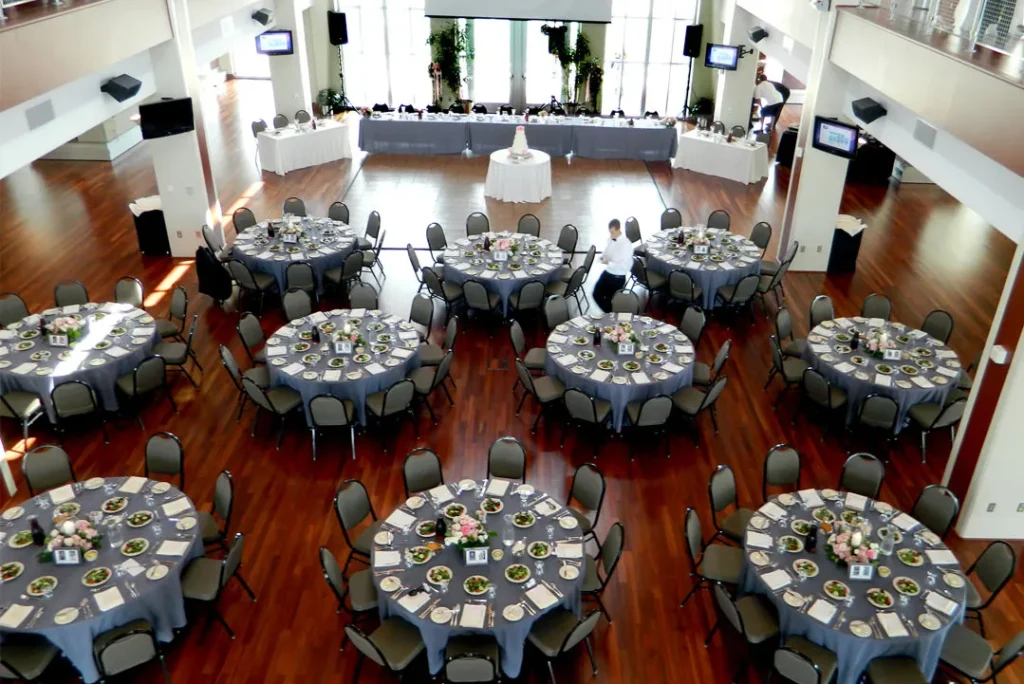
- Confirm and book the event venue.
- Finalize contracts with key vendors and service providers.
- Develop the event theme and branding direction.
- Launch guest invitations or registration if applicable.
- Arrange sponsorship agreements and partner commitments.
- Prepare an initial production and logistics plan.
These bookings come in a few months before the event, giving your team the chance to focus on the event and focus on the overall attendee experience as the date approaches.
1–3 Months Before the Event: Finalize Event Details
The closer the event gets, the more attention is paid to coordination, rather than planning. By now, most of your major decisions should be finalized, and your team should be focusing on making any final touches to the event and completing any remaining tasks.
It’s the perfect opportunity to nail down branding, confirm technical requirements, and keep in touch with vendors, speakers, and stakeholders. Some fine tuning may still be required, but should follow and be supportive of the existing plan, not change it.
Key priorities for this stage include:
- Finalize the event agenda and session schedule.
- Approve branding materials and production artwork.
- Confirm catering requirements and final menu selections.
- Coordinate audio-visual and technical requirements.
- Review registration numbers and guest communications.
- Schedule planning meetings with vendors and event partners.
These tasks are completed 1-3 months prior to the event allowing your team enough time to get ready, make final adjustments and not fall behind schedule on event day.
2–4 Weeks Before the Event: Prepare for Execution
The last month is the time for planning. At this point, all of the big planning decisions should be made and your team can concentrate on finalizing all of the details before the event.
Keep in touch with vendors, speakers, sponsors and your internal staff to address any issues that remain. It’s also a good time to check on backup plans and ensure everyone knows what to do.
Key priorities for this stage include:
- Confirm all vendor bookings, delivery schedules, and setup times.
- Finalize the guest list and prepare registration materials.
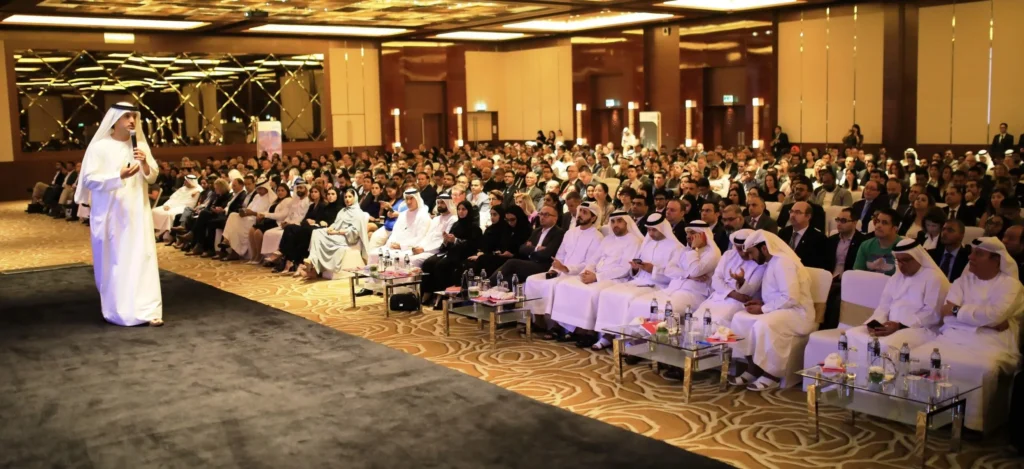
- Conduct a walkthrough of the venue with key suppliers.
- Test presentation files and confirm technical requirements.
- Share the final event schedule with speakers, staff, and vendors.
- Prepare backup plans for weather, equipment, or scheduling issues.
If your team can do these things a few weeks before the event, it helps you concentrate on doing the work rather than solving problems.
One Week Before the Event: Confirm Every Detail
The week prior to an event is to finalize arrangements, not make major decisions. All bookings and schedules should be finalized and your staff should be focused on the last minute details.
Maintain frequent communication with vendors, speakers and venue staff to verify arrival times, roles and event timing. The sharing of the latest run sheet also means everyone is operating on the same plan.
Key priorities for this stage include:
- Reconfirm all vendor bookings and arrival schedules.
- Verify guest attendance and prepare the final registration list.
- Distribute the final event timeline to staff, vendors, and speakers.
- Confirm venue access times and setup arrangements.
- Prepare emergency contacts, backup documents, and essential supplies.
- Hold a final coordination meeting with the planning team.
These last checks ensure that your team is well-prepared and minimize the chances of unforeseen problems on the day of the event.

The Day Before the Event: Complete Final Checks
The day before the event should be the day for the final checks, and not planning. At this point, all the big decisions should be made, and your team can concentrate on making sure everything is in place.
When setting up the venue with the team and vendors, make sure to walk through the venue to check the setup, branding, audio-visual equipment, and, if possible, conduct a final rehearsal to make sure everyone is ready for event day.
Key priorities for this stage include:
- Complete the venue setup and branding inspection.
- Test microphones, lighting, LED screens, and presentation equipment.
- Prepare the registration desk and attendee materials.
- Confirm seating arrangements and stage layout.
- Review the run sheet with the entire event team.
- Verify backup equipment and emergency procedures.
These last checks before the event can help your team start the day off on the right foot, knowing that everything is in place and ready to go for a successful event.
Event Day: Execute According to Plan
Event day is about doing. Stick to the schedule, track progress, and be ready to address any small problems promptly to keep the event on track and on schedule from start to finish.
Assign team members to oversee key areas such as registration, stage management, vendor coordination, technical support, and guest assistance. Clear communication can help solve problems in a timely manner and help keep the program on track.
Key priorities for this stage include:
- Arrive early to inspect the venue before guests arrive.
- Open the registration area ahead of the scheduled start time.
- Monitor the event timeline and keep sessions running on schedule.
- Coordinate with speakers, vendors, and technical teams throughout the day.
- Resolve operational issues promptly while keeping guests informed if necessary.
- Capture photos, videos, and key event highlights for future marketing and reporting.
If there is no challenge, then there is no event, it is a well-executed event when the team handles it well and keeps to the program.

After the Event: Review and Measure Success
A successful event is not over once the last guest has departed! The post event stage is the time to reflect on results, collect feedback, and determine how to make improvements to enhance future events.
Gather input from attendees, speakers, sponsors and your own staff. Check event results, complete vendor invoices, and compile photos, videos and reports for future use and marketing.
Key priorities for this stage include:
- Gather feedback through surveys or follow-up communication.
- Review event objectives and measure overall success.
- Complete outstanding vendor payments and documentation.
- Organize event photos, videos, and presentation materials.
- Hold a team debrief to identify strengths and improvement areas.
- Archive important records for future corporate events.
Reflecting on the event can make it an even better experience for the next one, as your team will learn to make better decisions, plan more effectively, and coordinate more efficiently in the future.
Corporate Event Planning Timeline in Pakistan
When you’re planning corporate events, it’s particularly beneficial to adhere to a Corporate Event Planning Timeline in Pakistan, as venue availability, vendor schedules, and seasonal demand can differ at different times of the year. By planning each stage at the appropriate time, businesses will have more flexibility and will not be under pressure to make important decisions right before the event.
For bigger events like conferences, exhibitions or yearly corporate events, it’s better to book venues, arrange vendors and make key decisions a few months ahead to avoid any disruption in the event schedule.
A structured timeline makes it easier for businesses to stay organized from the initial planning meeting to the final post event evaluation, ensuring that they can complete all their tasks on time, coordinate resources, and produce a professional corporate event, no matter how big or complex.
Corporate Event Planning Timeline in Karachi
A Corporate Event Planning Timeline in Karachi is a valuable tool for businesses to plan their conferences, seminars, product launches, exhibitions, and annual corporate events in a more efficient manner. With advance planning you will have more flexibility in booking venues, arranging the vendors and coordinating the event logistics in one of the busiest business cities of Pakistan.
A clear timeline helps businesses accomplish significant events on time, minimize the number of changes at the last minute, and maintain a well-organized event planning process from start to finish.
Corporate Event Planning Timeline in Lahore
A Corporate Event Planning Timeline in Lahore is a tool that allows businesses to plan events with greater confidence and ease, such as conferences, seminars, networking events, exhibitions, and annual corporate gatherings. It is easier to book venues, arrange vendors and ensure that all planning milestones are met when you start early.
A pre-defined schedule minimizes last minute delays, facilitates team coordination, and makes sure that all the event elements are completed before the event day.
Corporate Event Planning Timeline in Islamabad
A Corporate Event Planning Timeline in Islamabad is useful for businesses to plan their corporate events, seminars, product launches, and business meetings more effectively. By planning each stage in advance, there will be sufficient time to ensure venues are booked, vendors are in place and that the event is a success.
A clear timeline will keep planning on course, help to coordinate teams and ensure that important tasks are completed before the event starts.

Common Corporate Event Planning Timeline Mistakes to Avoid
Even the best plans can go astray if key milestones are missed or delivered in an out-of-order fashion. These are some of the most common timeline mistakes and can keep your event organized and eliminate unnecessary pressure as the event approaches.
- Starting the planning process too late, leaving fewer venue and vendor options.
- Delaying important approvals, causing production and branding schedules to slip.
- Setting unrealistic deadlines that put unnecessary pressure on the planning team.
- Ignoring regular progress reviews, allowing small issues to become larger problems.
- Failing to communicate timeline updates with vendors, speakers, and stakeholders.
- Leaving technical testing until the last minute, increasing the risk of event-day disruptions.
- Skipping a contingency plan for unexpected changes or delays.
A successful timeline does more than just accomplish tasks, it accomplishes the right ones at the right time. Regularly checking in and making schedule changes as necessary can keep your event on track with confidence.
Wrapping Up
A well-structured Corporate Event Planning Timeline provides businesses with a roadmap from initial planning to the final review. If you do the right things at the right time, you can ensure that your team works in harmony, that you don’t have to wait for things to happen, and that each phase of the event runs on schedule.
From planning a conference, seminar, product launch, networking event, exhibition, to an annual corporate event, having a structured timeline will help you get prepared rather than being caught off-guard by any last minute issues. The sooner you start planning, the more options you will have to consider and make informed choices, and the more confident you will be about your event.
Learn from Global Event Planning Timelines
Research international corporate event planning resources to learn how companies in other countries plan for events, keep track of deadlines, and coordinate large-scale corporate events. The study of best practice around the world can give you ideas that you can implement to enhance your planning process.
Turn Your Event Timeline into Action
A well-planned timeline is the foundation of a successful corporate event, but consistent execution is what keeps every stage on track. From early planning to post-event follow-up, staying organized helps teams meet deadlines, coordinate effectively, and reduce last-minute challenges.
At Marcem Event Solutions, we work with businesses to plan and manage conferences, seminars, product launches, exhibitions, networking events, annual dinners, and other corporate gatherings through a structured and professional planning process.
Frequently Asked Questions
What is a corporate event planning timeline?
A corporate event planning timeline is a program that details the various tasks and their deadlines. It assists businesses to plan their activities in the appropriate order, helping them complete tasks on time, coordinate teams, and ensure the event is a success.
When should I start planning a corporate event?
The best place to begin is based on the size and complexity of the event. A large conference, exhibition or an annual corporate meeting can take several months to get ready for, and a smaller seminar or business meeting can be organized within a shorter period of time.
Why is following a timeline important for corporate events?
A timeline can prevent missed deadlines, aid in communication between stakeholders and ensure that each part of the planning process is finished on time. It also helps to avoid the stress of making crucial decisions just before the event.
Can a corporate event planning timeline be adjusted?
Yes. A timeline should be used to give structure, but should be flexible enough to allow for changes if they arise. Progress reviews can help businesses make changes in the schedule without impacting the event plan.
What tasks should be completed first?
The initial tasks involve setting goals for the event, choosing a preferred date, determining the number of people that will attend, creating a planning budget, and assigning responsibilities. These preliminary decisions set the stage for the rest of the event.
Does every corporate event require the same timeline?
No. The planning schedule should reflect the event’s size, objectives, and logistical requirements. A networking session, product launch, conference, or annual dinner may each require different preparation periods and planning milestones.
Who should be involved in creating the event timeline?
Planning team members should consist of key decision makers, event coordinators, department representatives, and any stakeholders who are responsible for approvals. Having the appropriate individuals from the beginning ensures communication and keeps all aspects of the project on track.
Can a professional event planner help create a planning timeline?
Yes. An experienced event planner can create a realistic schedule, organize vendors, track progress and manage planning milestones from concept to post event review, ensuring that businesses stay organized throughout the event.