


A few years ago, we got a call from the admin team of a listed company just eleven days before its AGM. The venue was booked, and the catering was confirmed, but nobody had realized the shareholder notice had to be issued at least 21 days in advance under the Companies Act 2017. The meeting had to be rescheduled, and the reputational cost was greater than the entire event budget.
That’s what AGM board meeting executive summit planning is really about. Unlike a typical corporate event, it starts with governance and compliance before venues, catering, or production. In this guide, we share what we’ve learned from planning executive meetings across Pakistan, including governance timelines, venue selection, AV requirements, realistic budgets, and the common challenges companies face in Karachi, Lahore, and Islamabad.
What Is an AGM, Board Meeting, and Executive Summit?
They often happen in the same kind of room, but they’re not the same event.
An AGM is the formal yearly meeting between a company and its shareholders—financial statements get approved, directors get elected, and it’s a legal requirement, not a discretionary one.
A board meeting is smaller and more frequent, focused on strategic decisions, oversight, and risk—usually held quarterly.
An executive summit is the least regulated of the three: senior leadership coming together to align on direction, without shareholder or statutory obligations attached.
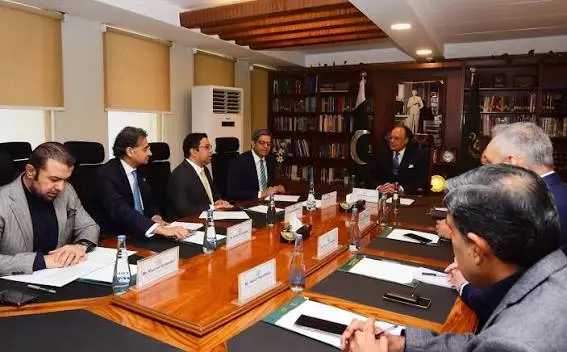
AGM, board meeting, and executive summit planning involve organizing executive-level corporate meetings while managing governance requirements, meeting logistics, venue coordination, AV production, executive hospitality, and stakeholder communication.
| Type | Purpose | Legal Requirement | Typical Frequency |
| AGM | Shareholder approvals, governance | Yes—Companies Act 2017 | Annually |
| Board Meeting | Strategic and risk oversight | Governance code, not public | Quarterly |
| Executive Summit | Leadership alignment | None | Annual/biannual |
The confusion usually shows up when companies try to combine them—folding a board strategy session into the same week as the AGM or turning an executive summit into an informal board update. Each format has a different audience and a different tone, and blurring them tends to under-serve whichever one gets treated as the afterthought.
The Regulatory Side Most Event Guides Skip
This is the part that separates AGM, board meeting, and executive summit planning from planning a gala or a conference: the calendar isn’t yours to set.
Under the Companies Act 2017, an AGM must be held within four months of the close of the financial year, and shareholders must receive notice at least 21 days before the meeting date. Listed companies also need to send that notice to the SECP and publish it in an English and an Urdu newspaper of national circulation. Companies should also review the latest guidance issued by the Securities and Exchange Commission of Pakistan to stay updated on applicable corporate compliance and filing requirements. Miss the notice window, and you’re not looking at a scheduling inconvenience—you’re looking at a compliance breach.
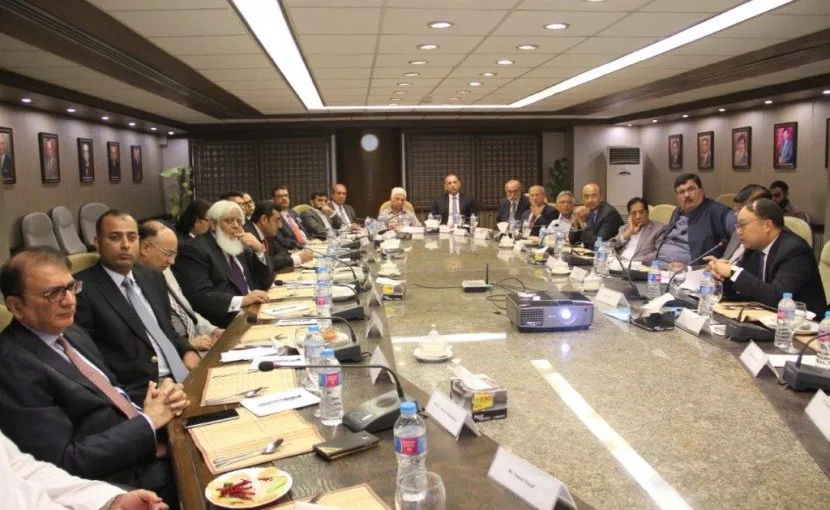
None of this is legal advice, and your company secretary or legal counsel should confirm the specifics for your situation—but from an event-planning standpoint, it means the governance timeline has to be locked before the venue is. We build backward from the 21-day notice date, not forward from “when’s the ballroom free.”
We’ve also seen companies assume the venue booking is the hard part and the paperwork will sort itself out closer to the date. It rarely does. Board papers, financial statements, and resolution drafts all need legal and finance sign-off before they go out with the notice, and that review cycle alone can eat two of your available weeks if it isn’t started early.
6 Essential Steps for AGM, Board Meeting & Executive Summit Planning
Successful executive meetings don’t happen because the venue looks impressive—they succeed because every governance, operational, and logistical detail is planned in the right order. Whether you’re organizing an AGM, a confidential board meeting, or an executive summit, following a structured planning process helps reduce risk, improve decision-making, and deliver a professional experience for every attendee.
- Confirm the governance deadline first. Notice periods and filing dates drive everything else—venue, catering, and production should all be scheduled around these deadlines, not the other way around.
- Define the meeting’s actual purpose. A shareholder-facing AGM requires a very different room setup, tone, and documentation flow than a confidential 12-person board strategy session or an executive leadership summit.
- Prepare governance documents early. Board papers, financial statements, agendas, and resolution templates should be reviewed and shared with attendees well before the venue is confirmed.
- Build the agenda around discussion time, not just presentations. Effective executive meetings leave enough room for meaningful questions and strategic discussions instead of filling every minute with presentations.
- Plan AV and confidentiality together. Secure Wi-Fi, controlled recording access, a rehearsed hybrid meeting setup, and reliable technical support are essential for executive-level meetings where sensitive information is discussed.
- Assign one person to own the day. A single event lead should oversee the schedule, technical coordination, vendor communication, and last-minute decisions. Clear ownership prevents confusion and keeps the meeting running smoothly.
Following these six steps creates a strong foundation for successful AGM, board meeting, and executive summit planning. By aligning governance requirements with operational planning from the outset, companies can minimize compliance risks, improve the attendee experience, and ensure executive meetings achieve their intended business objectives.
Venue, AV & Executive Hospitality Essentials
The venue has to fit the confidentiality level, not just the headcount—a 300-person AGM and a 12-director board meeting have almost nothing in common beyond both needing a room.
For AV, the non-negotiables are a tested video conferencing setup for hybrid attendees, wireless microphones, a backup laptop with every presentation file, and on-site technical support who isn’t discovering the room for the first time that morning. We test everything the day before—not because it’s best practice on a checklist, but because we’ve seen a single unrehearsed HDMI connection derail the opening ten minutes of a shareholder meeting.
Hospitality matters more than most companies budget for. Executive travel coordination, a professional registration desk, and business dining that doesn’t eat into the schedule all shape how the event actually feels to attend—even though none of it appears in the minutes.
For international directors or shareholders flying in, small details carry more weight than they should: a driver who’s actually at the airport when the flight lands, a hotel room confirmed rather than assumed, and a welcome pack with the agenda already in hand. None of it changes the outcome of the meeting, but all of it changes how the company is remembered by the people in that room.
Cost of AGM, Board Meeting & Executive Summit Planning in Pakistan
Numbers help more than a vague “it depends,” so here’s what we typically see for Pakistani corporate clients.
| Event Type | Mid-Range (PKR) | Premium (PKR) |
| Board Meeting (10–25 attendees) | 300K – 700K | 700K – 1.5M |
| AGM (100–300 shareholders) | 2M – 4.5M | 4.5M – 8M+ |
| Executive Summit (50–150 leaders) | 1.5M – 3.5M | 3.5M – 7M |
Venue and AV production typically account for the largest share of an AGM budget, given the technical and security requirements; for smaller board meetings, hospitality and documentation support carry a proportionally bigger weight.
Common Mistakes That Derail Executive Meetings
Most executive meetings don’t run into problems because of the venue or catering; they run into problems because small planning decisions are made too late or in the wrong order. Over the years, we’ve noticed the same mistakes appear across AGMs, board meetings, and executive summits, regardless of the industry. Identifying these issues early can help companies avoid unnecessary stress, compliance risks, and last-minute disruptions.
- Booking the venue before confirming the governance deadline—the room should follow the notice date, never the other way around.
- Sending board papers too close to the meeting, leaving directors no real time to review before decisions get made.
- Skipping the AV rehearsal, which is where hybrid meetings usually fail—quietly, and in front of the people you least want watching it happen.
- Treating confidentiality as an afterthought—unattended documents and open Wi-Fi networks are avoidable risks that keep showing up anyway.
- No backup plan for a delayed speaker or a technical failure, which turns a five-minute hiccup into a schedule that never recovers.
- Assuming last year’s format still fits. A board that’s grown from 8 to 14 directors, or a company that’s added international shareholders, often needs a different room layout and hybrid setup than what worked twelve months ago.
The common thread behind these mistakes is that they are all preventable with early planning and clear ownership. A well-managed executive meeting isn’t measured by how impressive the venue looks, it’s measured by how smoothly the meeting runs, how confidently governance obligations are met, and how little attendees notice the planning happening behind the scenes.
Planning AGM, Board Meetings & Executive Summits in Karachi
Karachi is where we see the highest demand for AGM and executive meeting planning. With the country’s largest concentration of corporate headquarters, listed companies, and multinational businesses, there are plenty of venue options—but there is also more competition for them. The best hotels and executive meeting spaces are often booked well in advance, particularly during annual reporting season. For companies planning shareholder meetings or board sessions, securing the venue early leaves enough time to focus on governance deadlines, production, and guest logistics instead of last-minute availability.
Planning AGM, Board Meetings & Executive Summits in Lahore
Lahore works particularly well for executive summits and leadership retreats that extend beyond a single meeting. Many companies prefer venues that combine conference facilities, executive accommodation, and private dining, making it easier for leadership teams to continue discussions outside the boardroom. We’ve found that keeping everything in one location not only simplifies logistics but also gives executives more time for meaningful conversations rather than moving between venues.
Planning AGM, Board Meetings & Executive Summits in Islamabad
For confidential board meetings and governance-focused discussions, Islamabad is often the preferred choice. The city’s quieter business environment and well-managed executive venues create the right setting for discussions involving directors, investors, or senior leadership. When meetings involve sensitive financial information or strategic decisions, clients frequently value privacy, controlled access, and a professional atmosphere just as much as the venue itself.
Internal Planning vs. Hiring an Event Partner
| Factor | Internal Team | Event Partner |
| Governance timeline management | Often reactive | Built into the planning sequence from day one |
| Vendor coordination | Multiple suppliers, internally managed | Single point of coordination |
| AV & confidentiality | Pieced together per event | Tested, repeatable production process |
| Risk of overruns | Higher, especially under time pressure | Lower—lead times are planned in |
| Best fit | Small internal board meetings | AGMs, summits, or multi-city events |
Why Companies Work With Marcem
We’ve run more than 50 executive-level events for corporate clients across Pakistan, including AGMs for listed companies, quarterly board meetings for multinationals, and leadership summits that span two cities in the same week.
For one banking client, we rebuilt their entire AGM timeline around the 21-day notice requirement after a near-miss the year before; the following year’s meeting ran without a single compliance flag. For an FMCG client’s executive summit, moving the recognition segment into an evening dinner with award ceremony themes rather than bolting it onto the end of a long agenda noticeably lifted attendance at the closing session.
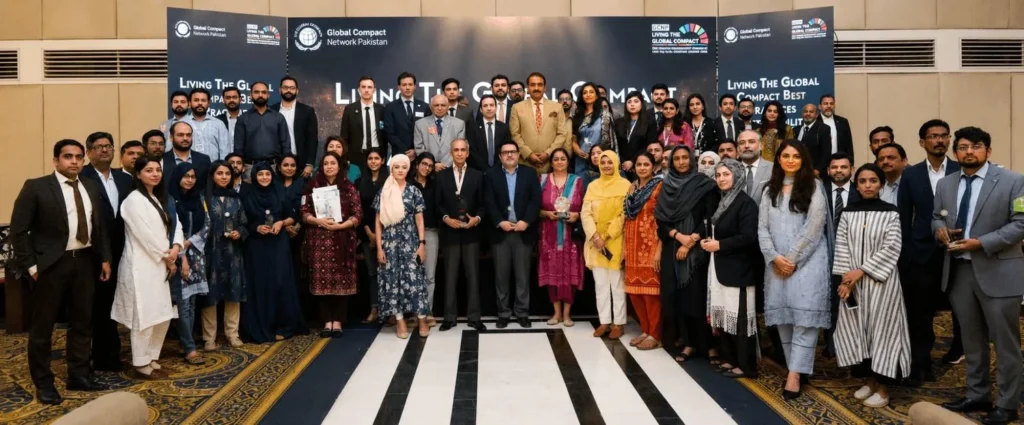
That’s what experience actually buys a client: knowing where AGM board meeting executive summit planning tends to break, before it breaks on your event day.
Conclusion
AGM, board meeting, and executive summit planning aren’t really an event-management problem they’re governance obligations that happen to need a venue, a stage, and a working microphone. Get the compliance timeline right first, and the logistics fall into place around it.
If your team is planning an AGM, board meeting, or executive summit in Karachi, Lahore, or Islamabad, Marcem Events can help build a timeline that respects both the governance deadline and the guest experience.
Frequently Asked Questions
How far in advance should we start AGM board meeting executive summit planning?
For an AGM, work backward from the 21-day shareholder notice requirement—in practice, that means starting six to eight weeks out. Board meetings and executive summits have more flexibility but still benefit from four to six weeks of lead time.
What are the legal notice requirements for an AGM in Pakistan?
Under the Companies Act 2017, shareholders must receive notice at least 21 days before the meeting, and listed companies must also notify the SECP and publish the notice in English and Urdu newspapers. Confirm specifics with your company secretary.
How much does executive event management cost in Pakistan?
Board meetings typically run PKR 300K–1.5M depending on scale, while AGMs for 100–300 shareholders range from PKR 2M–8M or more depending on venue, security, and production requirements.
What AV setup does an executive meeting need?
At minimum: a rehearsed video conferencing system for hybrid attendees, wireless microphones, backup presentation devices, secure Wi-Fi, and on-site technical support—tested the day before, not the morning of.
Should companies hire a professional event partner for AGMs?
For AGMs and multi-city executive summits, especially, an experienced partner’s governance-aware planning and vendor relationships generally prevent more costly issues than the planning fee itself.