


Corporate event planning Karachi usually starts with a deadline and a rough headcount and not much else. That gap between “we need an event in six weeks” and an actual plan is where most budget overruns and last-minute scrambles happen.
This guide walks through the corporate event planning process step by step, with Karachi-specific guidance on venues, budgets, timelines, and vendors, so your team can plan with a clear structure instead of reacting to problems as they come up.
Key Takeaways
- Start with clear business objectives before selecting a venue
- Allocate your budget before contacting vendors
- Book venues and major suppliers at least three to four months in advance for large events
- Choose venues based on event format, guest count, and technical requirements
- Partner with an experienced corporate event planner to streamline execution
The Corporate Event Planning Process in Karachi
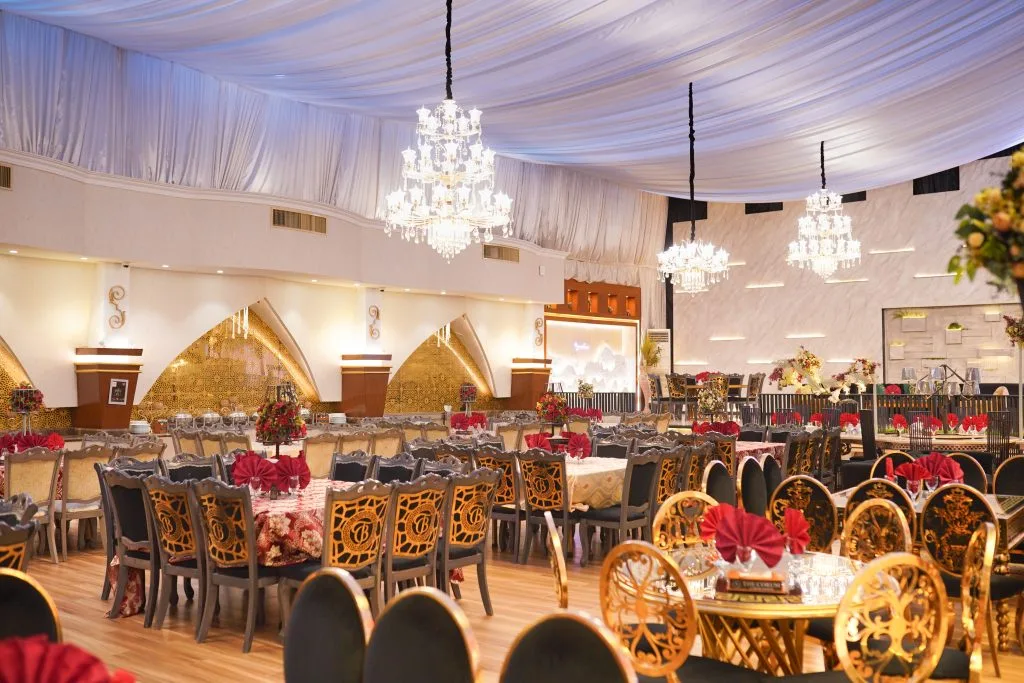
Step 1: Define Your Event Objectives
Decide what the event needs to achieve, whether that is client relationship building, product visibility, employee engagement, or investor communication. This shapes every decision that follows. Skipping this step is the most common failure point we see.
Businesses jump straight to venue shortlisting without agreeing internally on what the event is actually meant to accomplish, which leads to decisions that look fine individually but don’t add up to a coherent event.
Step 2: Set a Realistic Budget
Establish a total figure and a rough split across venue, catering, AV, staging, and staffing before shortlisting venues, not after. This ordering matters more than it seems. Venues quoted first tend to anchor the entire budget around whatever that venue costs, which often leaves too little for AV, staging, or catering once those conversations start.
A budget set before venue shopping, even a rough one broken into categories, gives you a real ceiling to shop against rather than a number that keeps stretching. It’s also worth holding back 10 to 15% as contingency from the start rather than treating it as an afterthought, since last-minute additions, extra AV runs, and extended venue hours are common enough that they should be planned for rather than absorbed as a surprise.
Step 3: Choose the Right Venue
Match the venue type to the event type and expected guest count, covered in more detail below. This is also where the budget set in Step 2 gets tested against reality, since venue pricing varies enough by format that the same total budget can look comfortable or tight depending on which type of space it’s spent on.
Step 4: Confirm Vendors
Lock in catering, AV, décor, and staffing, ideally as a coordinated package rather than separate bookings. Booking these separately usually means managing four or five different timelines, contracts, and points of contact, which is where scheduling conflicts and last-minute gaps tend to creep in. A caterer confirmed for one time slot while the AV team is set up for another, for instance.
A single coordinated vendor package, whether through a planning partner or one internal owner tracking all of it, keeps these details aligned and gives you one place to catch conflicts before they become event-day problems.
This is also the point to confirm contracts, deposit terms, and cancellation policies in writing, since verbal agreements are the most common source of disputes closer to the event date.
Step 5: Build Your Event Timeline
Work backward from the event date, covered in the timeline section below. Building it this way, rather than forward from today, makes it easier to spot which tasks are actually time sensitive, venue and major vendor bookings need the most lead time, while things like final headcounts and printed materials can wait until closer to the date without much risk.
Step 6: Manage Event Day Operations
Assign clear roles for registration, guest flow, AV cues, and troubleshooting so the team isn’t improvising when something shifts on the day. A short written run of the show, who owns what, and by when matters more here than any last-minute rehearsal, since it’s the reference point everyone can check when something needs a quick decision.
Step 7: Review Event Performance
A short post-event review, attendance versus RSVPs, feedback, and what needs to change make the next event easier to plan. Even a brief internal debrief within a week of the event, while the details are still fresh, tends to surface more useful notes than a formal review scheduled a month later.
Choosing the Right Venue and Format
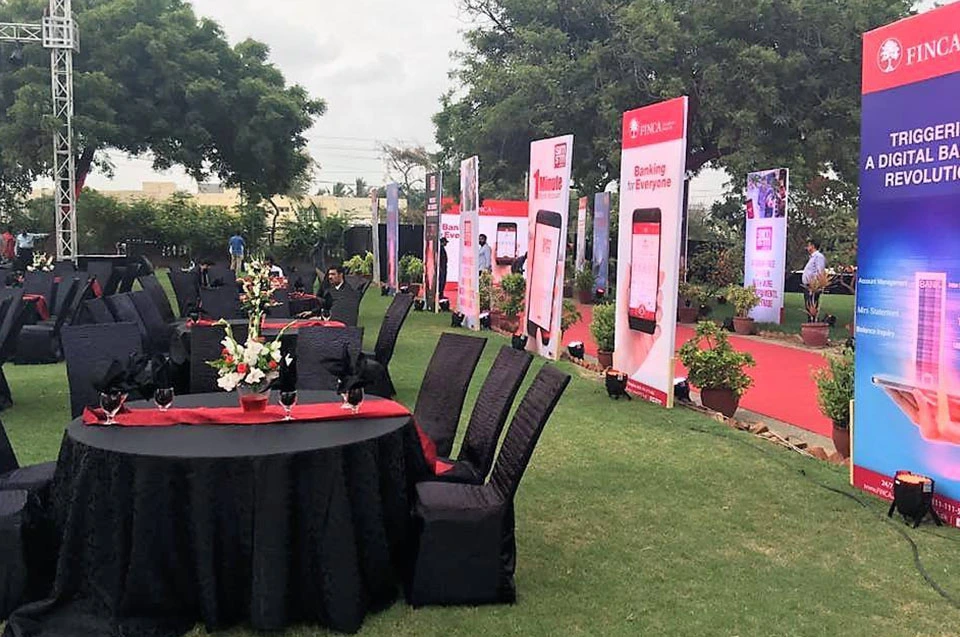
Venue choice depends on guest count and event type more than anything else. A board dinner for 20 people needs a private dining room, not a lawn built for 500. A product launch needs a venue that tolerates custom staging and branding, which rules out some preset hotel ballrooms.
Every event has different operational requirements. A product launch often prioritizes staging and audience experience, while a board meeting focuses on privacy, technology, and executive hospitality.
Beyond capacity, a few practical details are worth confirming before booking: parking availability for guest vehicles, accessibility for guests with mobility needs, backup power in case of an outage, WiFi bandwidth if the event involves live presentations, and loading access for AV and staging equipment. These rarely come up during a site visit but cause the most friction on event day if overlooked.
A full breakdown of venue options by capacity and cost is available in our corporate event venues in Karachi guide, but the short version is that outdoor lawns suit large dinners and galas, hotel ballrooms suit formal conferences and launches, and smaller indoor halls suit workshops and training sessions.
Budgeting for Corporate Event Planning in Karachi
Budget is usually the second decision point after objectives, and it should happen before venue shortlisting rather than after. A rough split for a mid-sized corporate event in Karachi runs close to 35 to 40% for venue and catering, 20 to 25% for AV and staging, 15% for décor and branding, 10% for staffing and logistics, and the remainder held as contingency.
A few factors reliably push costs up: booking during October through December when wedding season competes for the same venues; requesting custom staging or branding rather than a venue’s existing setup; adding LED walls or advanced AV; and booking with less than four to six weeks’ notice, which limits vendor availability and negotiating room.
Ideal Corporate Event Planning Timeline
Planning timelines scale with event size, but the sequence stays consistent. For a mid- to large-sized corporate event, this is a realistic breakdown.
| Timeframe | What to Finalize |
|---|---|
| 3 to 4 months before | Objectives, budget, and venue booking |
| 6 to 8 weeks before | Vendor confirmation: catering, AV, décor, staffing |
| 4 weeks before | Guest list, invitations, and registration setup |
| 2 weeks before | Run of show, staging plan, and vendor walkthrough |
| 1 week before | Final headcount, logistics confirmation, rehearsal if needed |
| Event day | Execution, on-site coordination, and troubleshooting |
| 1 week after | Post-event review and feedback collection |
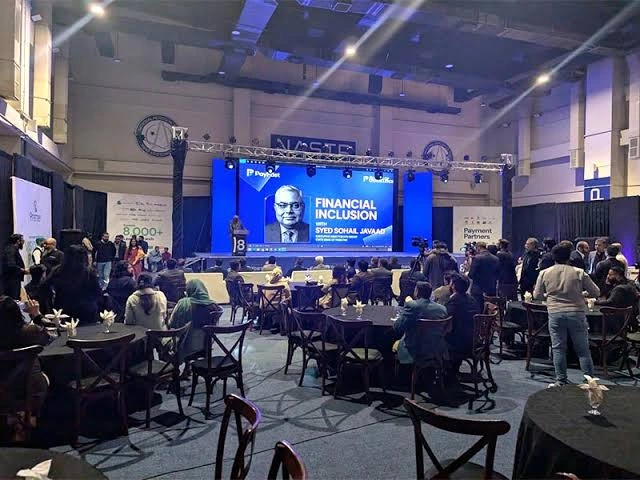
Smaller events, workshops, or internal training sessions under 50 guests can often compress this to four to six weeks total. Large conferences or multi-city events generally need the full three- to four-month runway.
Corporate Event Planning by Industry in Karachi
Industry shapes what a corporate event needs to prioritize. Banks and financial institutions typically require formal event flow, strong security coordination, and executive-level hospitality, since attendees often include senior stakeholders and regulators.
Pharmaceutical companies lean toward structured, educational formats for product and clinical presentations to healthcare professionals. Telecom and technology companies tend to invest more heavily in AV and staging for product demonstrations and launches.
Real estate developers prioritize premium visual presentation for investor-facing project launches. FMCG and manufacturing companies more often run large-scale dealer meets and channel partner events that need to accommodate bigger guest counts with less formal staging.
Corporate event planning Karachi across these sectors shares the same underlying process, but the weighting of budget and effort shifts depending on the audience.
Corporate Event Planning Trends in Karachi
The seven-step process above stays consistent, but a few shifts are changing where planning attention and budget are concentrated within it.
Hybrid formats, where a core in-person audience is paired with a livestreamed component for guests who can’t travel, have become more common for multi-city conferences and product launches, since they extend reach without changing the core planning process.
Companies are also putting more weight on experiential elements, interactive branding zones, guided product demonstrations, or structured networking segments, rather than a purely stage-and-dinner format, particularly for launches and dealer meets aimed at building longer engagement than a single presentation allows.
Executive hospitality expectations have risen, too, with more companies budgeting for dedicated VIP handling, personalized seating, and tighter guest flow for senior stakeholders, which is worth accounting for during Step 2 rather than adding as a late change.
Common Mistakes in Corporate Event Planning
- Starting venue selection before defining business objectives
- Underestimating AV and technical requirements
- Booking vendors too late during peak season
- Ignoring parking and guest accessibility
- Forgetting contingency planning for weather or power issues
- Skipping a final venue walkthrough before event day
- Not collecting post-event feedback
Businesses hosting industry conferences or networking events may also benefit from checking updates and business resources provided by the Karachi Chamber of Commerce and Industry (KCCI) during the planning stage.
Why Businesses Choose Professional Corporate Event Planning
Companies that bring in an experienced planner rather than managing everything internally tend to see the difference in a few consistent, connected areas.
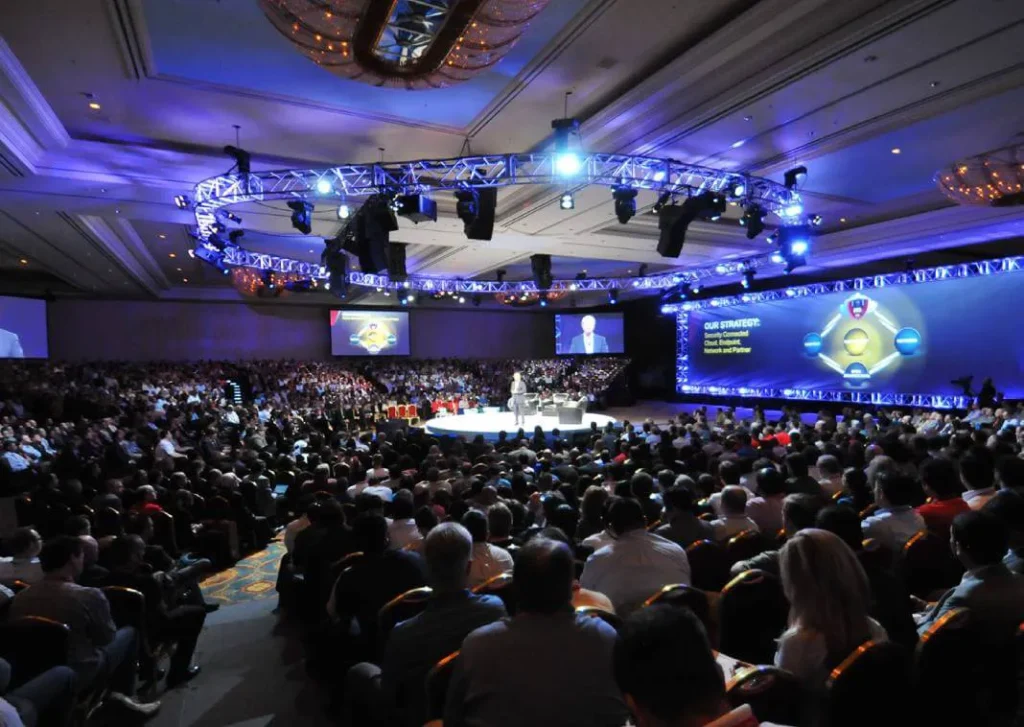
It starts with tighter budget control, since costs are estimated and tracked against a real plan rather than discovered as they come up, and that same discipline carries through to event day as reduced operational risk, because problems get caught during planning rather than live in front of guests.
From there, it shows up in more consistent branding across the event, a better experience for attendees, and meaningful time savings for internal teams who would otherwise be managing this alongside their regular workload.
Choosing the Right Corporate Event Planner in Karachi
Not every company plans events often enough to justify an in-house events team, which is where a planning partner becomes useful.
- A few questions help evaluate one:
- Does the partner handle corporate events regularly, not just weddings?
- Can they act as a single point of contact for venue, catering, AV, and staging instead of requiring you to manage each vendor separately?
- Do they have documented experience across the industries relevant to your business, and can they support events consistently if your company also operates in Lahore or Islamabad?
Marcem Events handles the full corporate event planning process in Karachi, from objective setting and budgeting through venue selection, vendor coordination, and on-site execution, for conferences, product launches, dinners, and corporate retreats.
Conclusion
Corporate event planning in Karachi works best as a defined process rather than a series of ad hoc decisions. Starting with clear objectives, setting the budget before the venue, and working backward from the event date on a realistic timeline solves most of the problems that otherwise show up in the final weeks before an event.
Planning a Corporate Event in Karachi?
Whether you’re planning a conference, product launch, executive meeting, or annual corporate dinner, successful events depend on careful planning and experienced coordination. Marcem Events supports businesses across Karachi with venue selection, budgeting, vendor management, and on-site execution tailored to their event objectives. Get in touch with Marcem Events to discuss your requirements.
Frequently Asked Questions
How much does corporate event planning cost in Karachi?
Costs vary widely by format and scale, but a mid-sized corporate dinner or conference for 150 to 200 guests typically runs several hundred thousand PKR once venue, catering, AV, and staging are included. Smaller workshops cost significantly less.
How far in advance should I start planning a corporate event?
Three to four months for a mid- to large-event, particularly if it falls during October through December. Smaller events can be planned in four to six weeks.
Do I need an event planning company, or can my team handle it internally?
It depends on frequency and scale. Companies that run events occasionally often find that a planning partner saves time and prevents costly vendor coordination mistakes, while companies with dedicated internal events staff may only need support for larger or more complex events.
What permissions are required for a corporate event in Karachi?
Requirements depend on the venue and event type. Hotel and club venues typically handle their own permissions, while outdoor or public space events may require additional approvals, which a local event planner can usually manage on your behalf.
What’s the biggest driver of cost in corporate event planning?
Custom staging, branding, and advanced AV like LED walls typically add the most to a budget beyond the base venue and catering cost.
Can corporate events in Karachi be planned on a tight timeline?
Yes, though options narrow. Smaller formats like workshops or executive dinners can be planned in two to four weeks, while large conferences generally need more runway to secure vendors and venues.
Is corporate event planning different across Karachi, Lahore, and Islamabad?
The core process is the same, but venue options, typical costs, and vendor availability differ by city, so a company running events in multiple cities benefits from a partner with experience across all three.
What should I look for when choosing an event planning company in Karachi?
Relevant industry experience, the ability to coordinate vendors as a single point of contact, and a track record with corporate rather than purely social events are the most useful indicators.